Crufts - Utility and Toy Dogs
Sat 7th March 2026
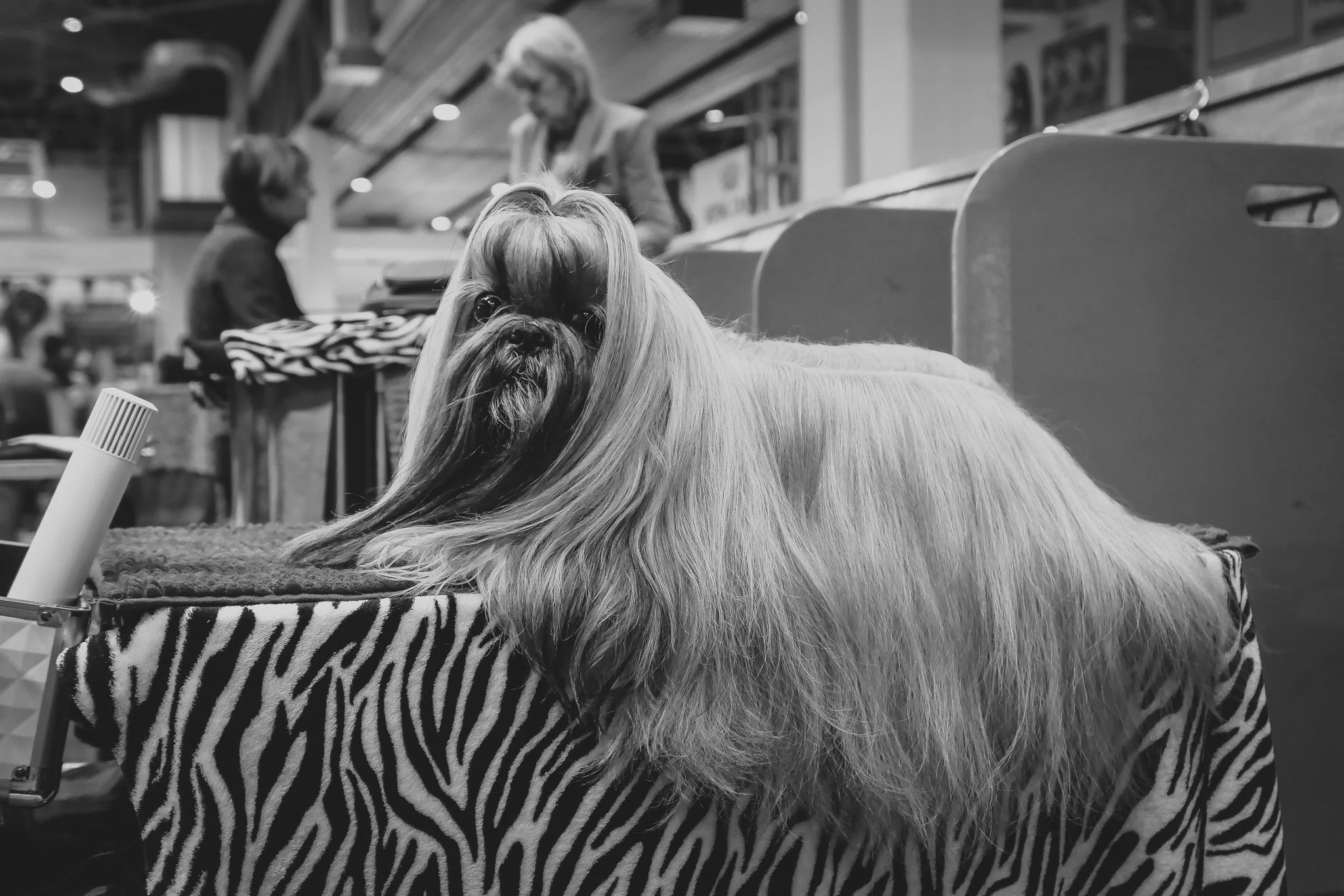
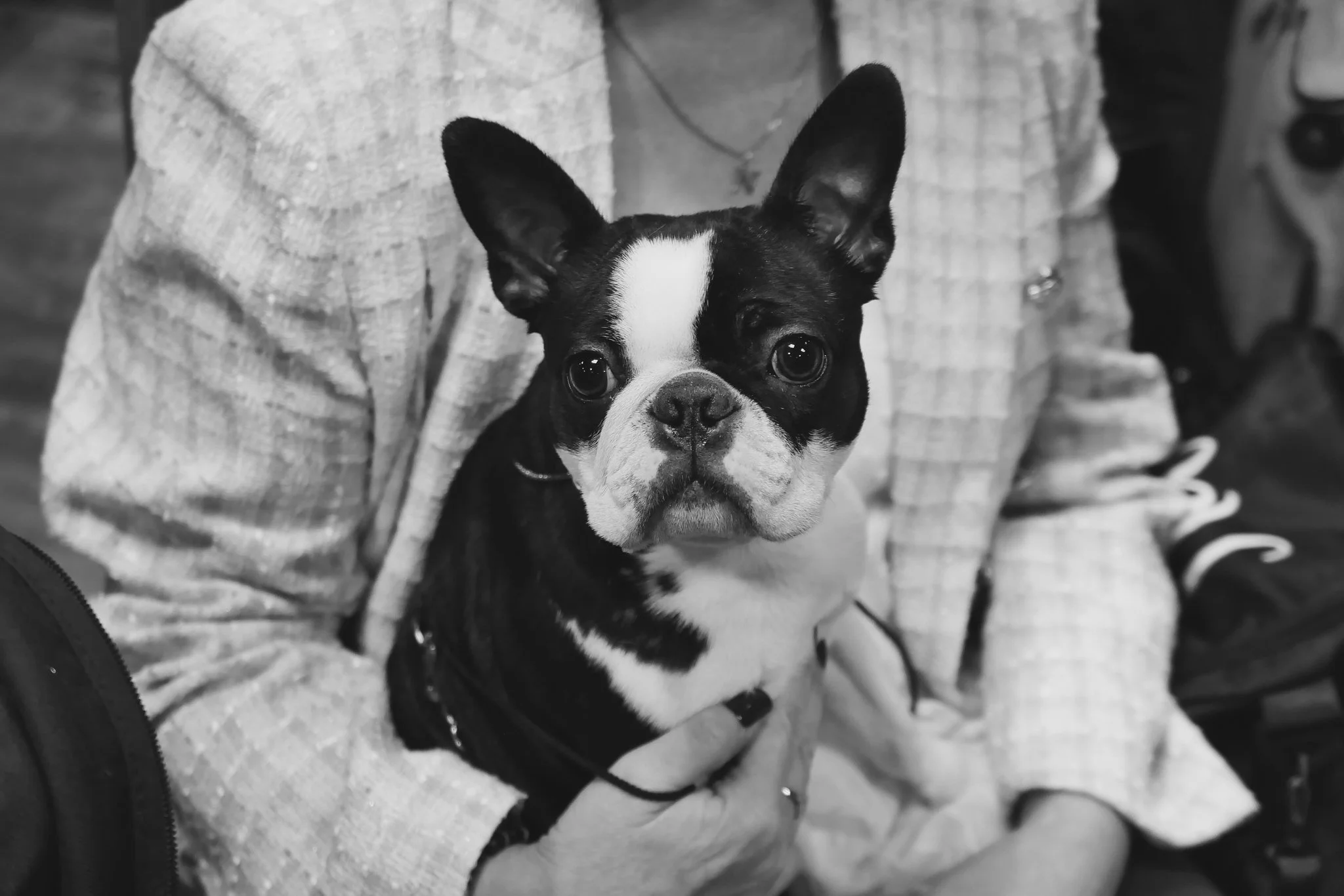
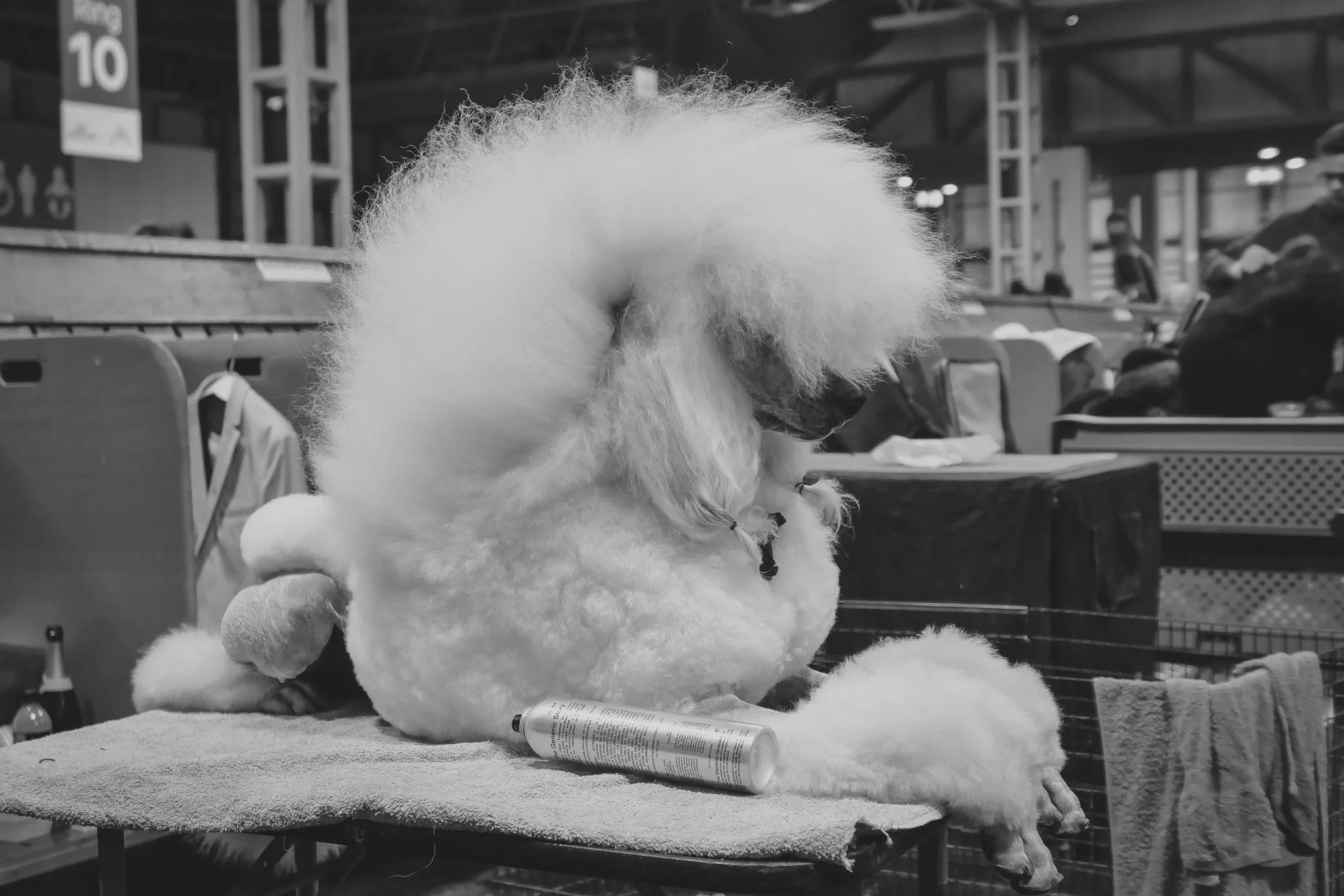
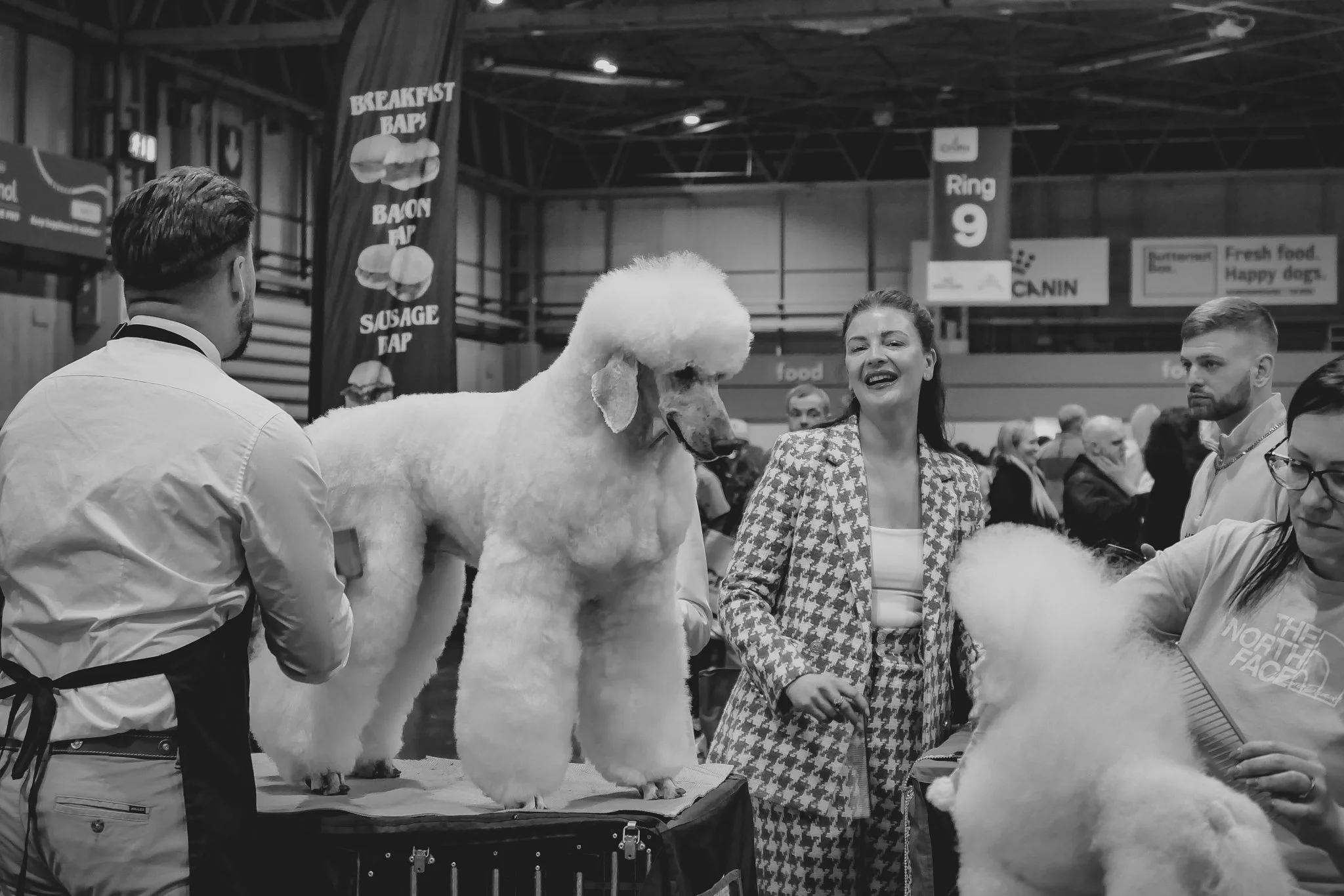
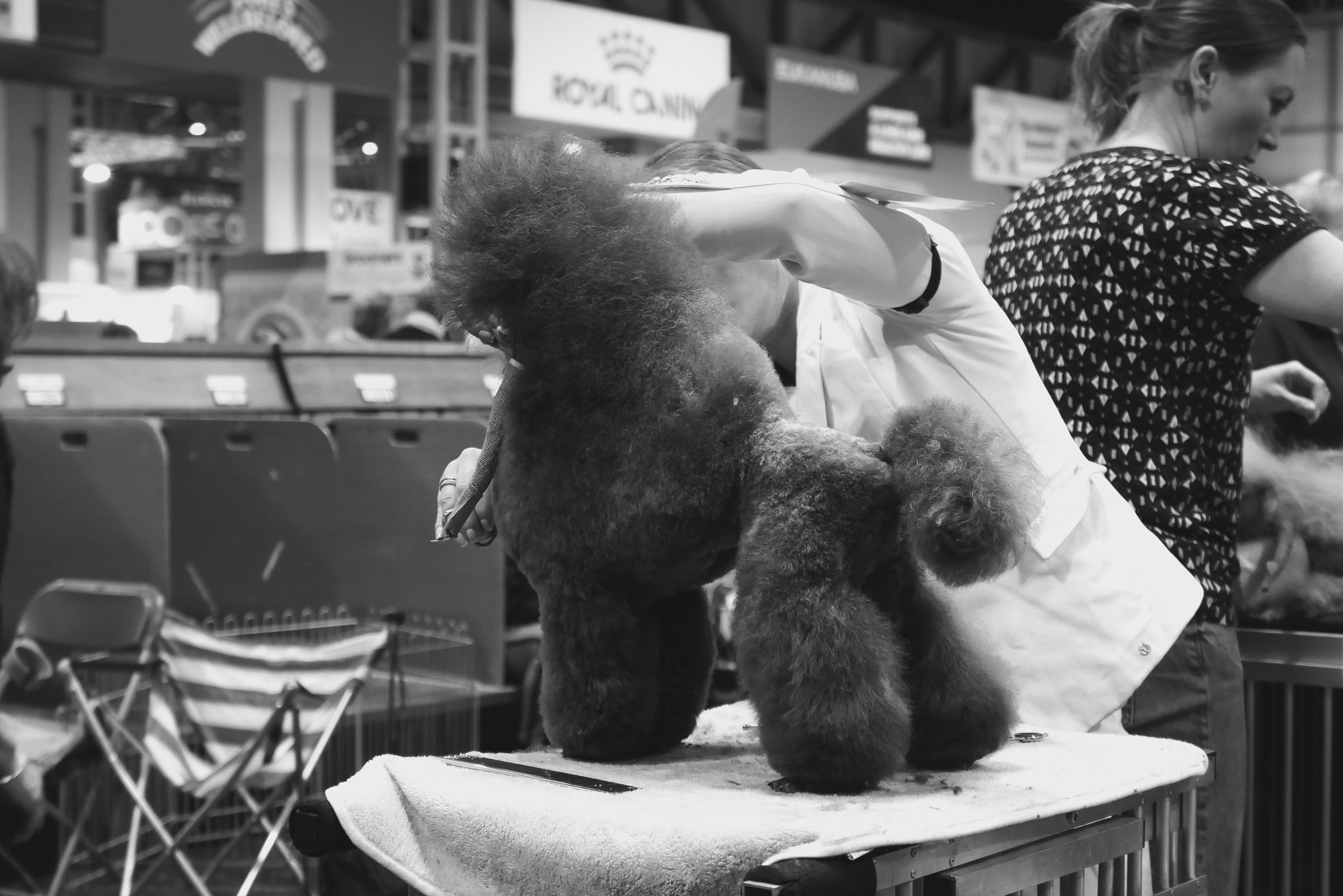
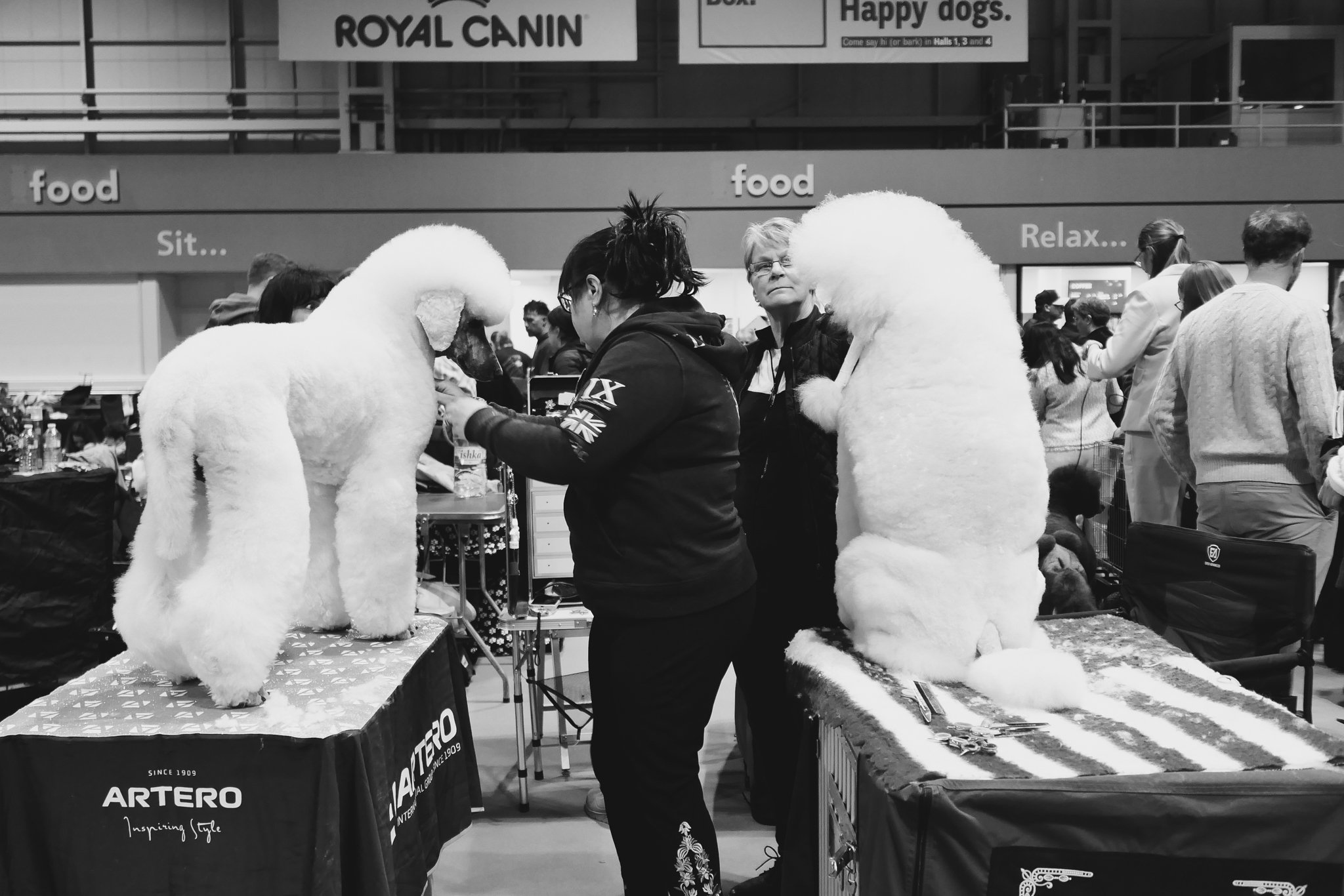
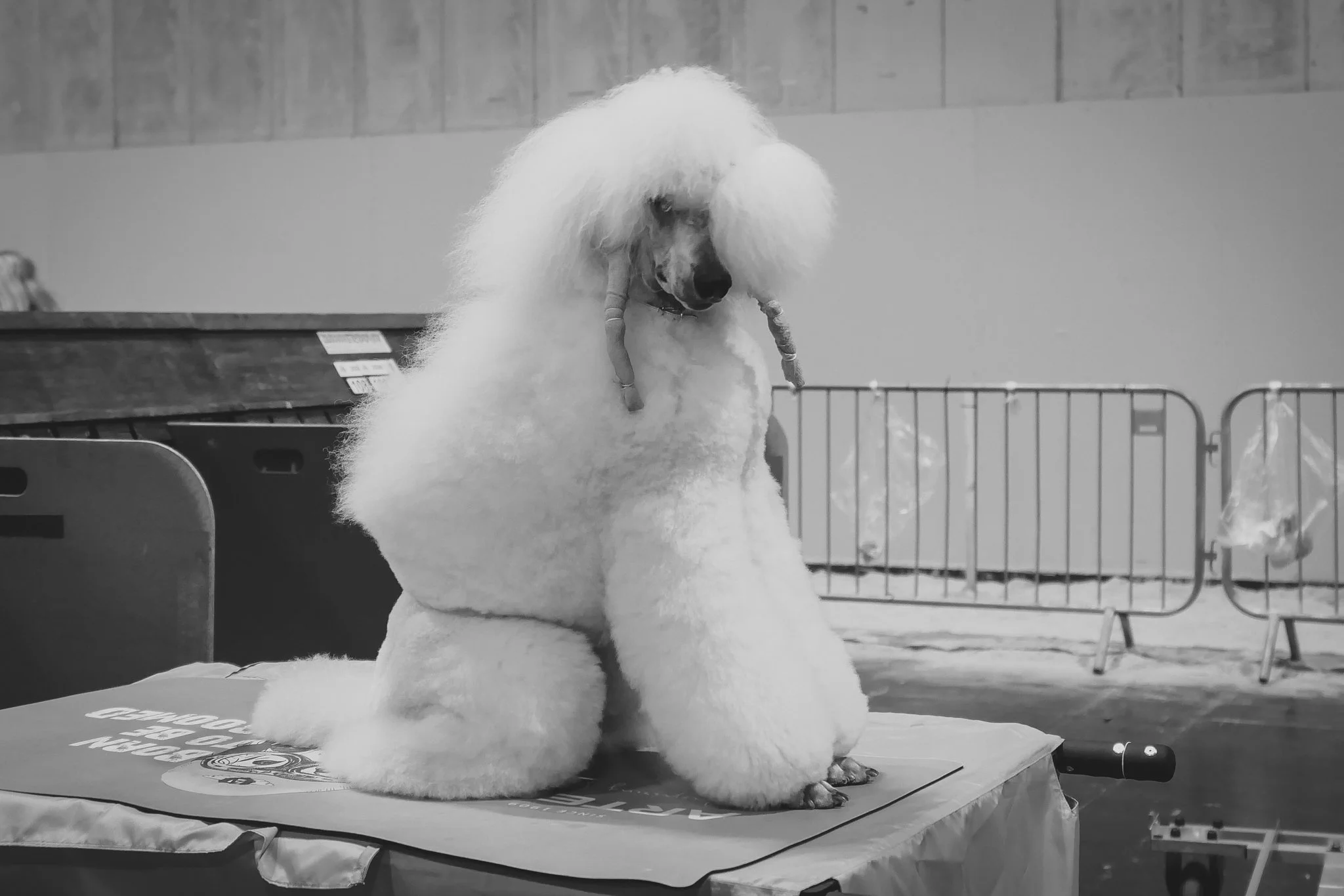
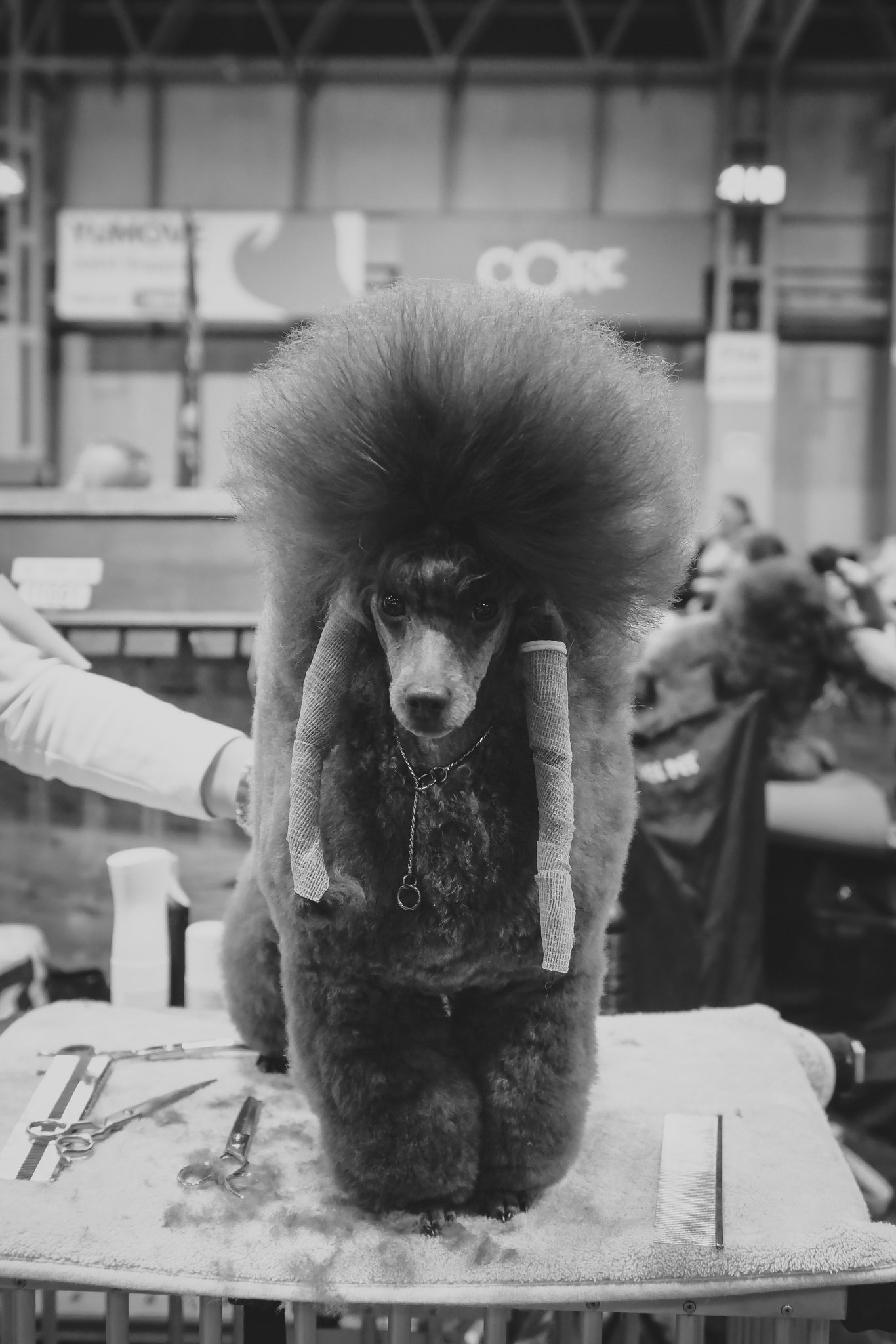
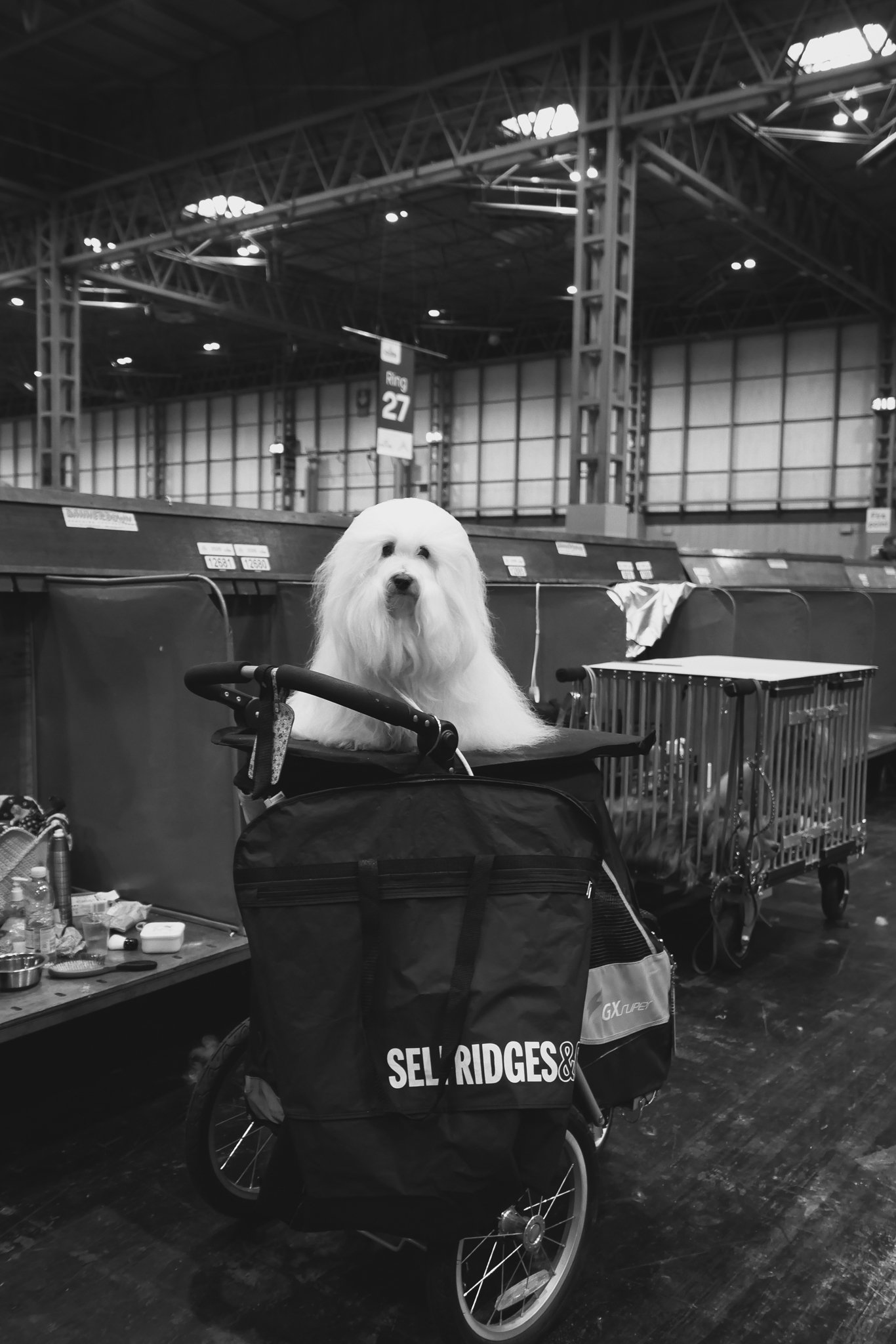
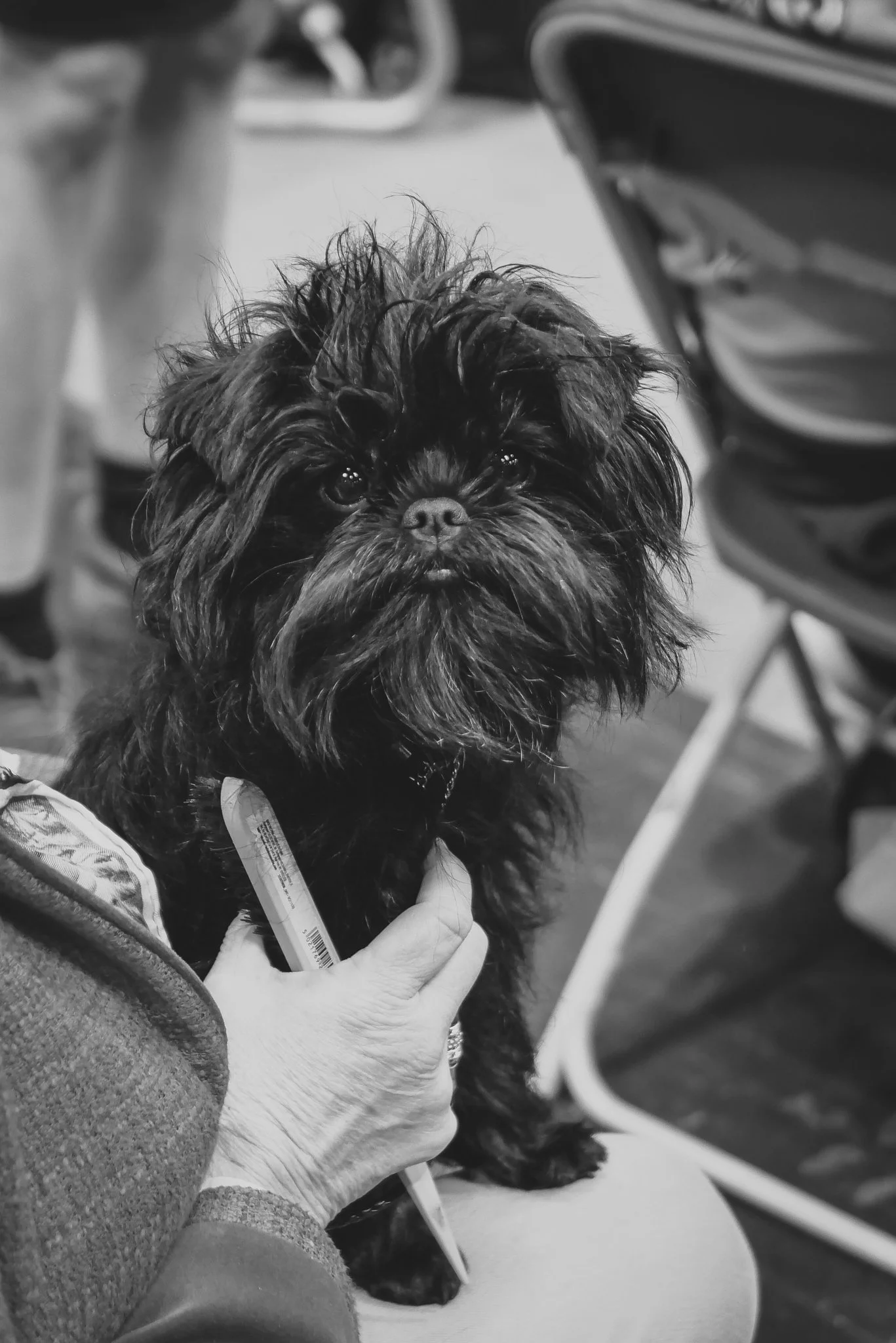
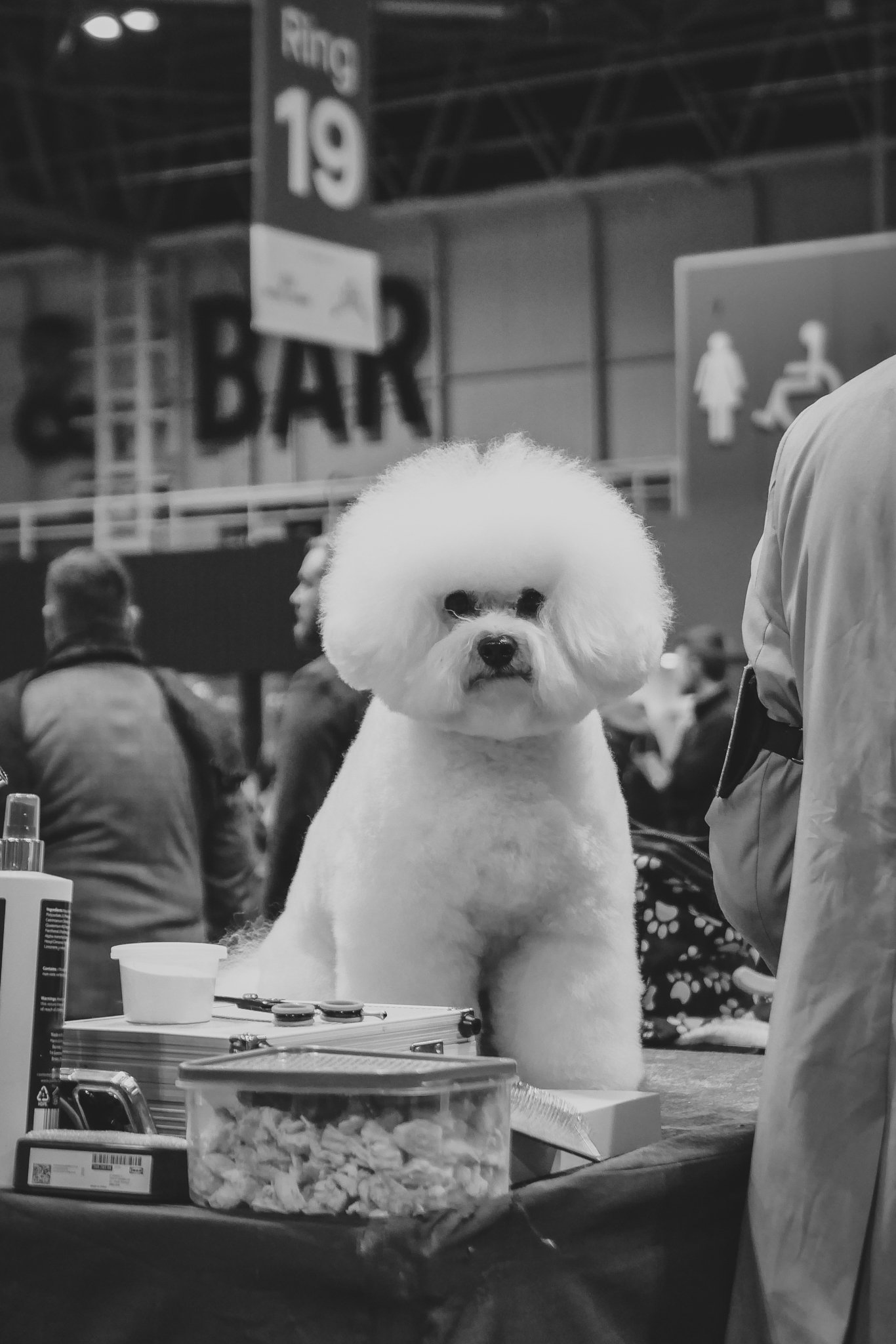
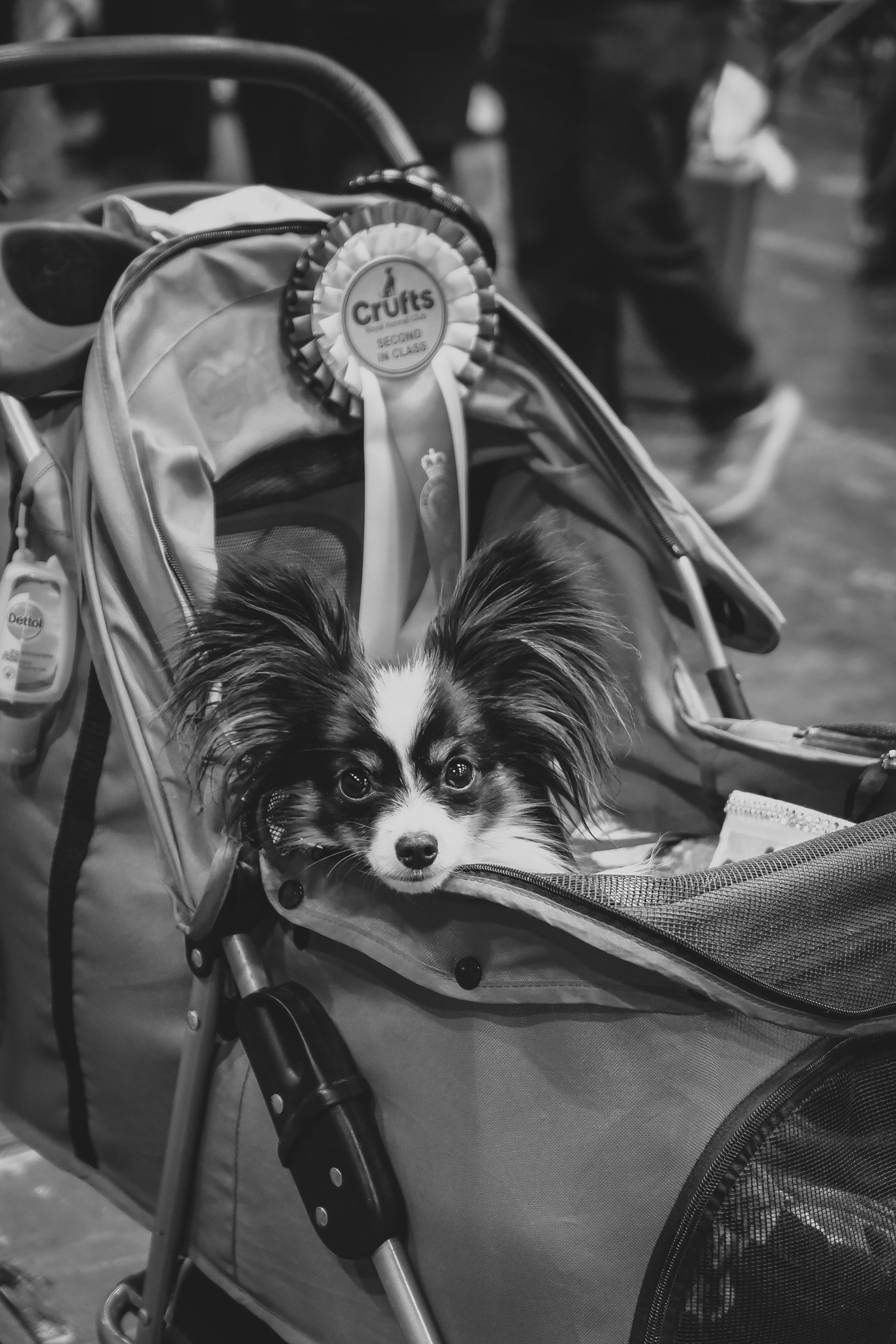
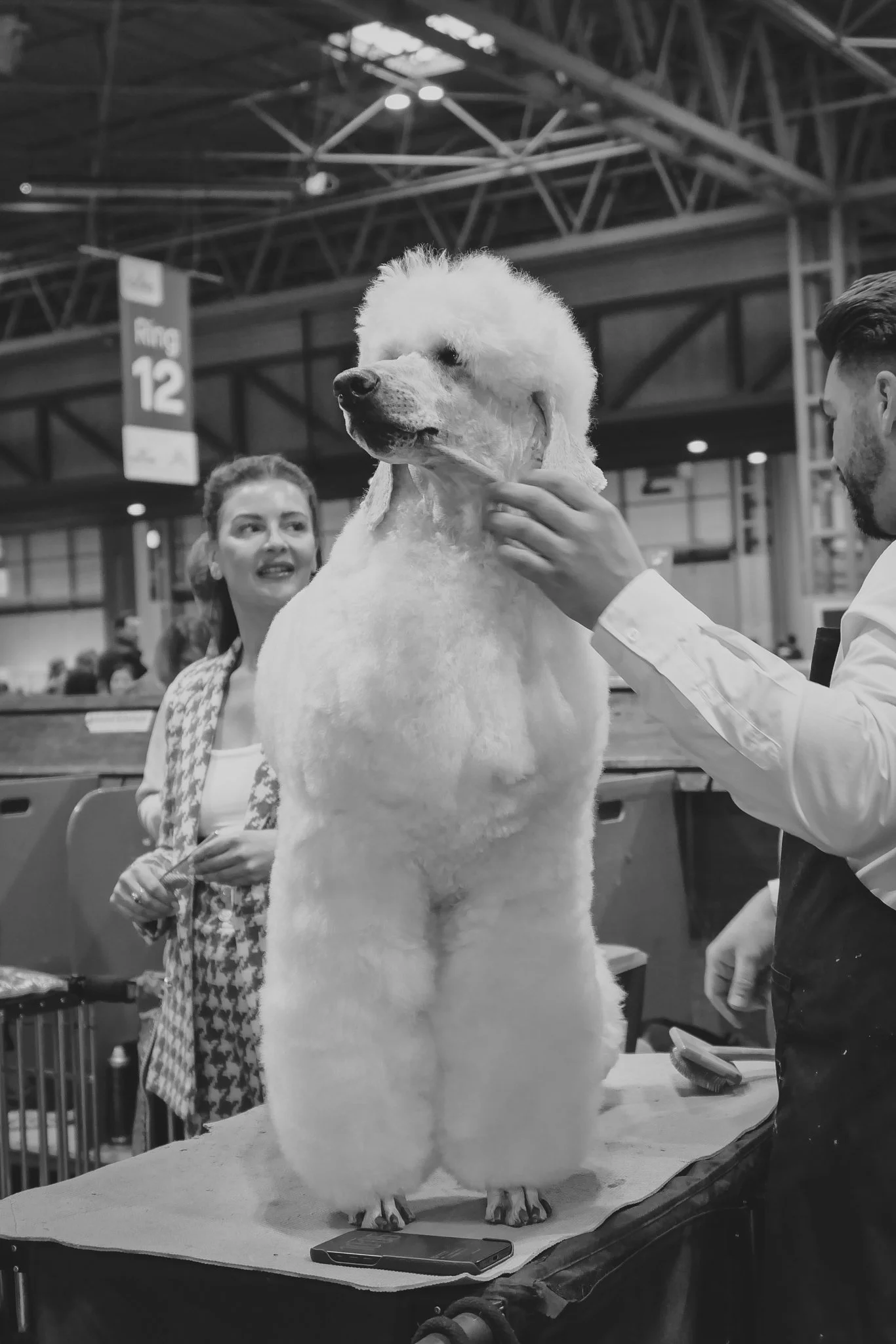
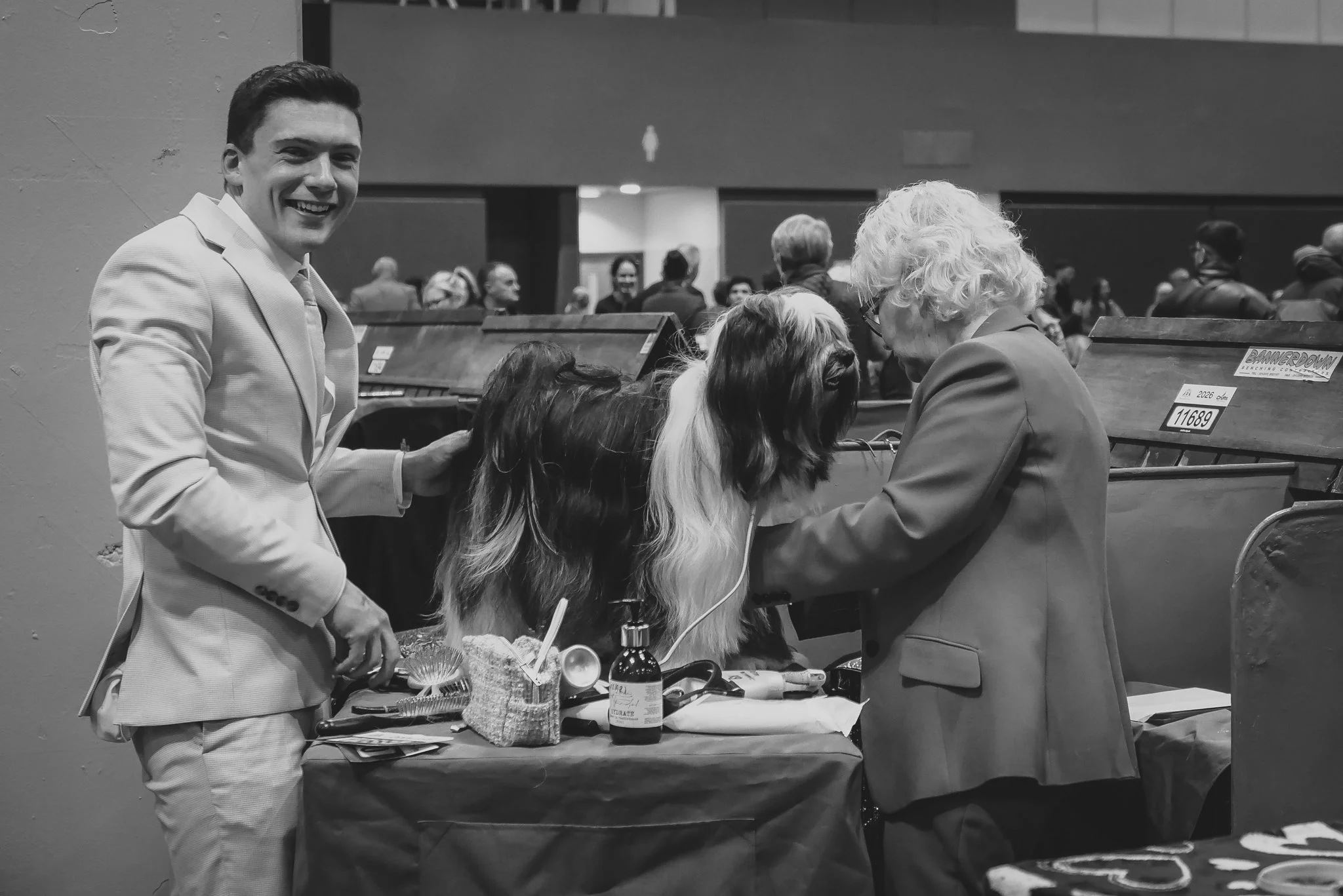
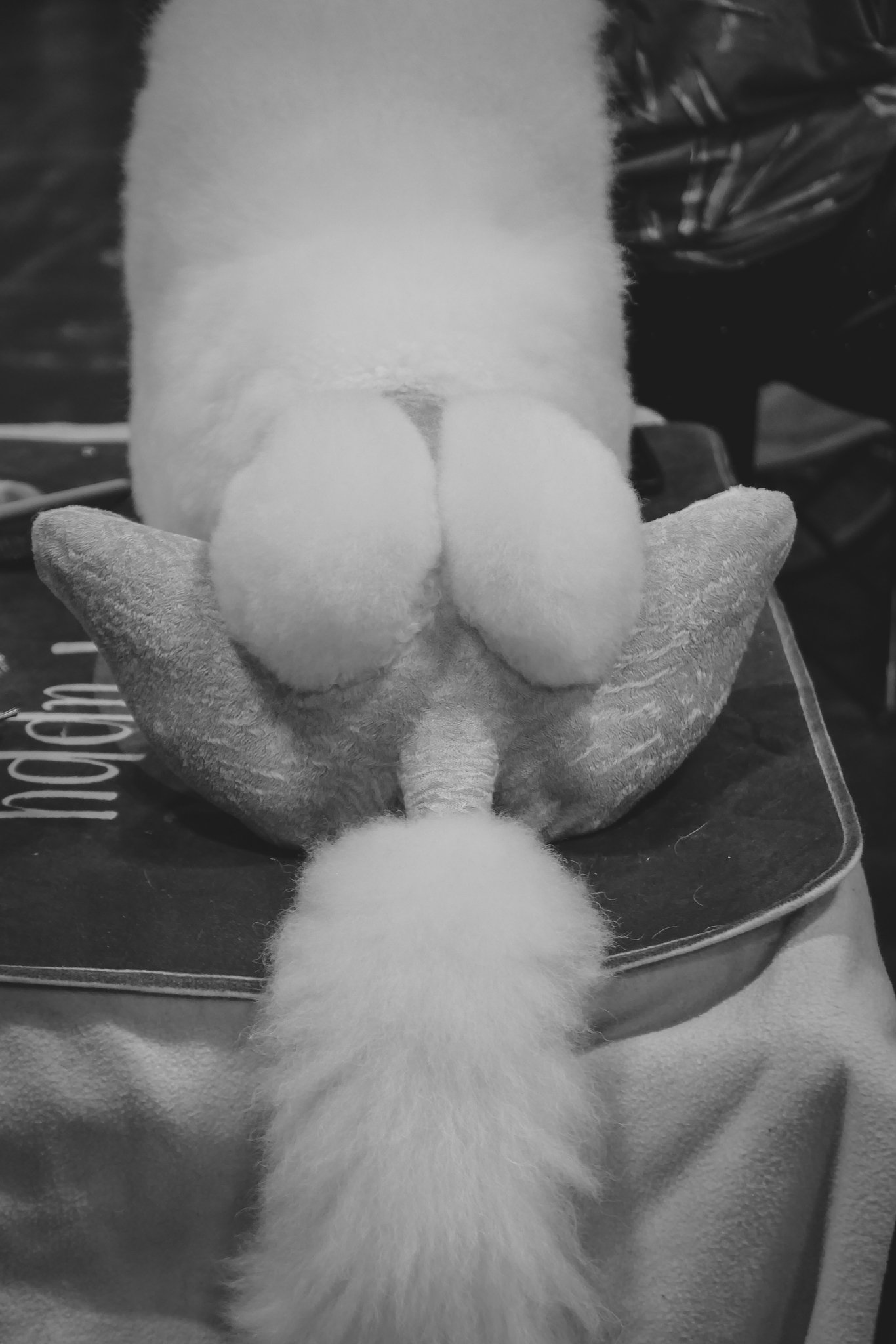
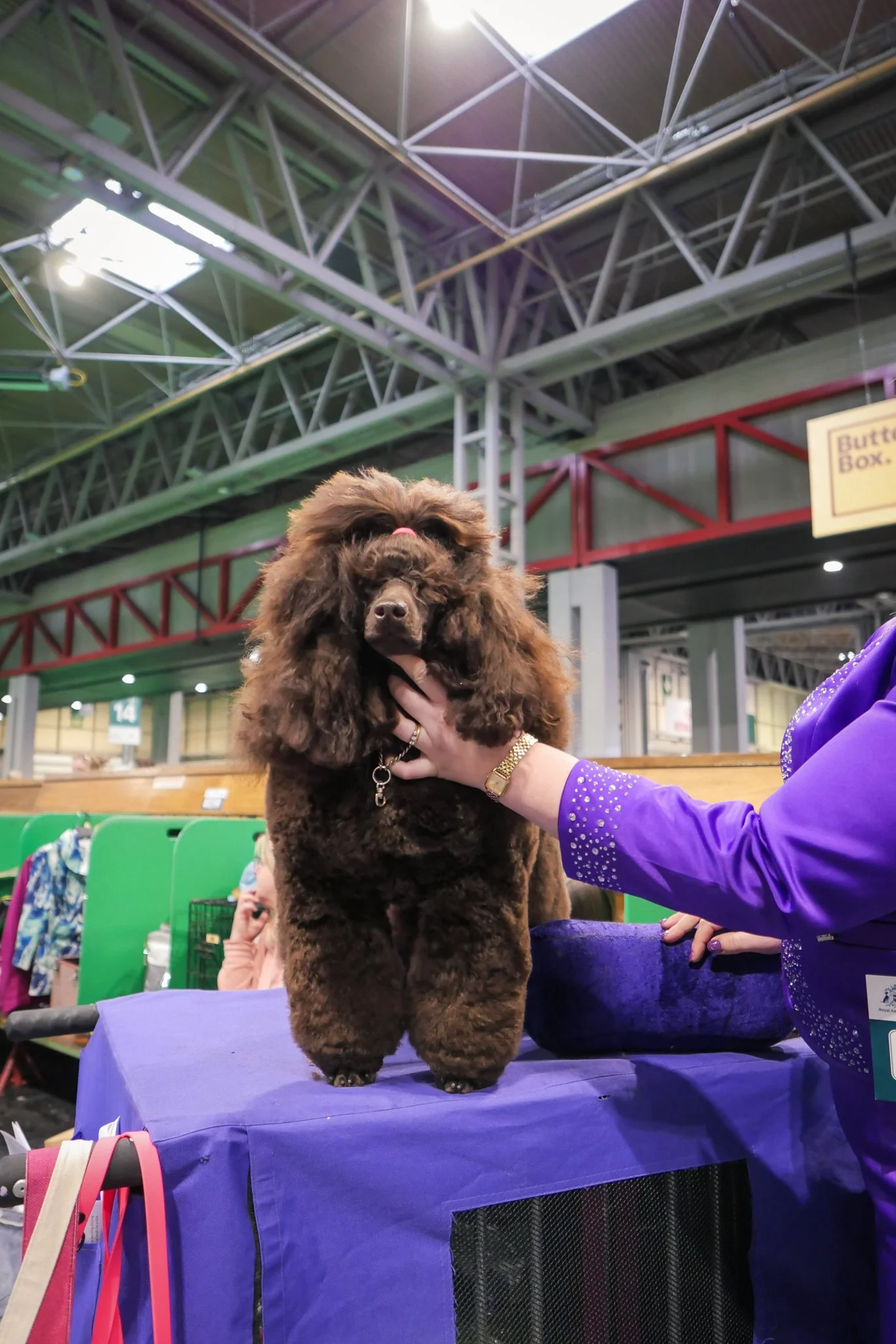
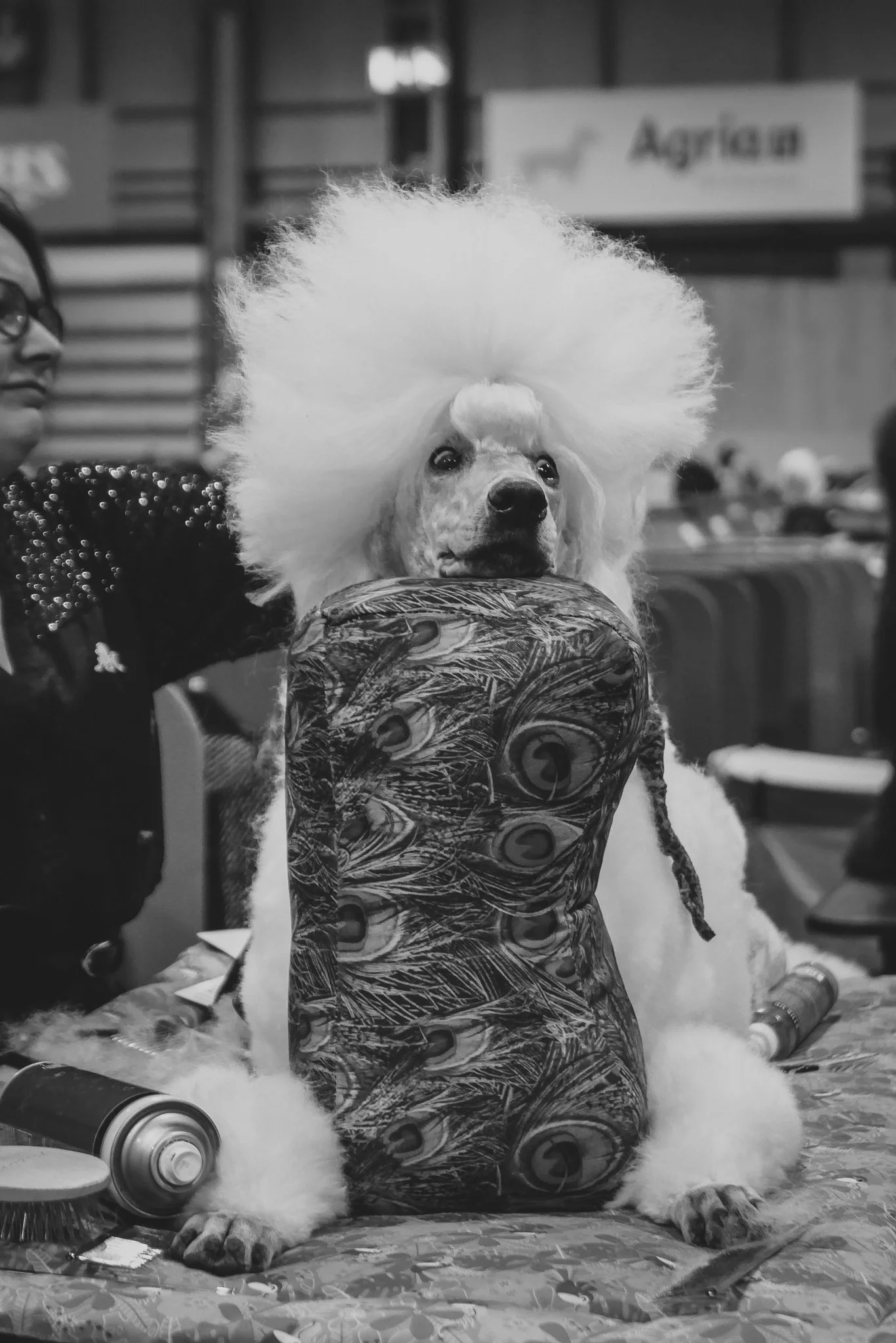
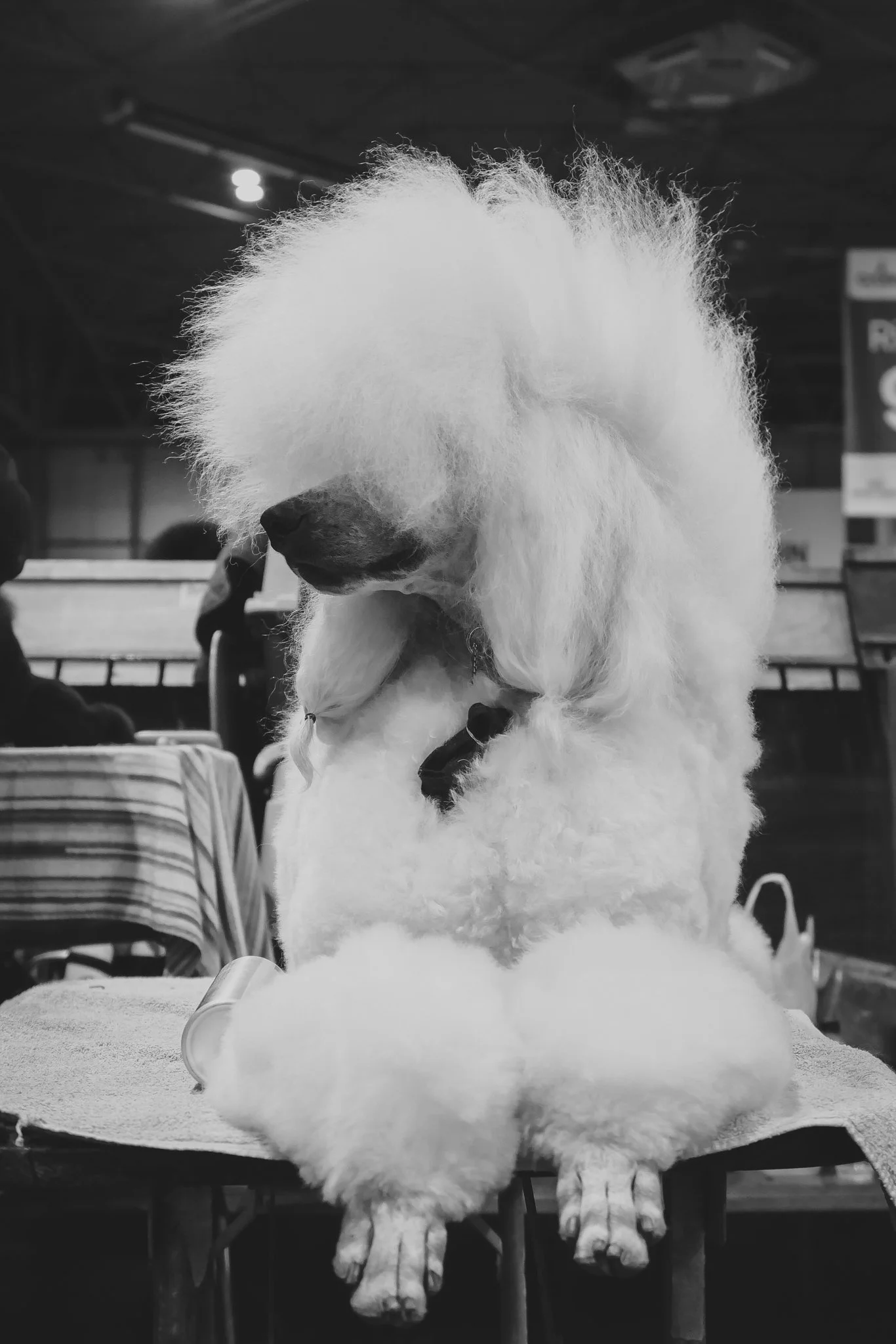
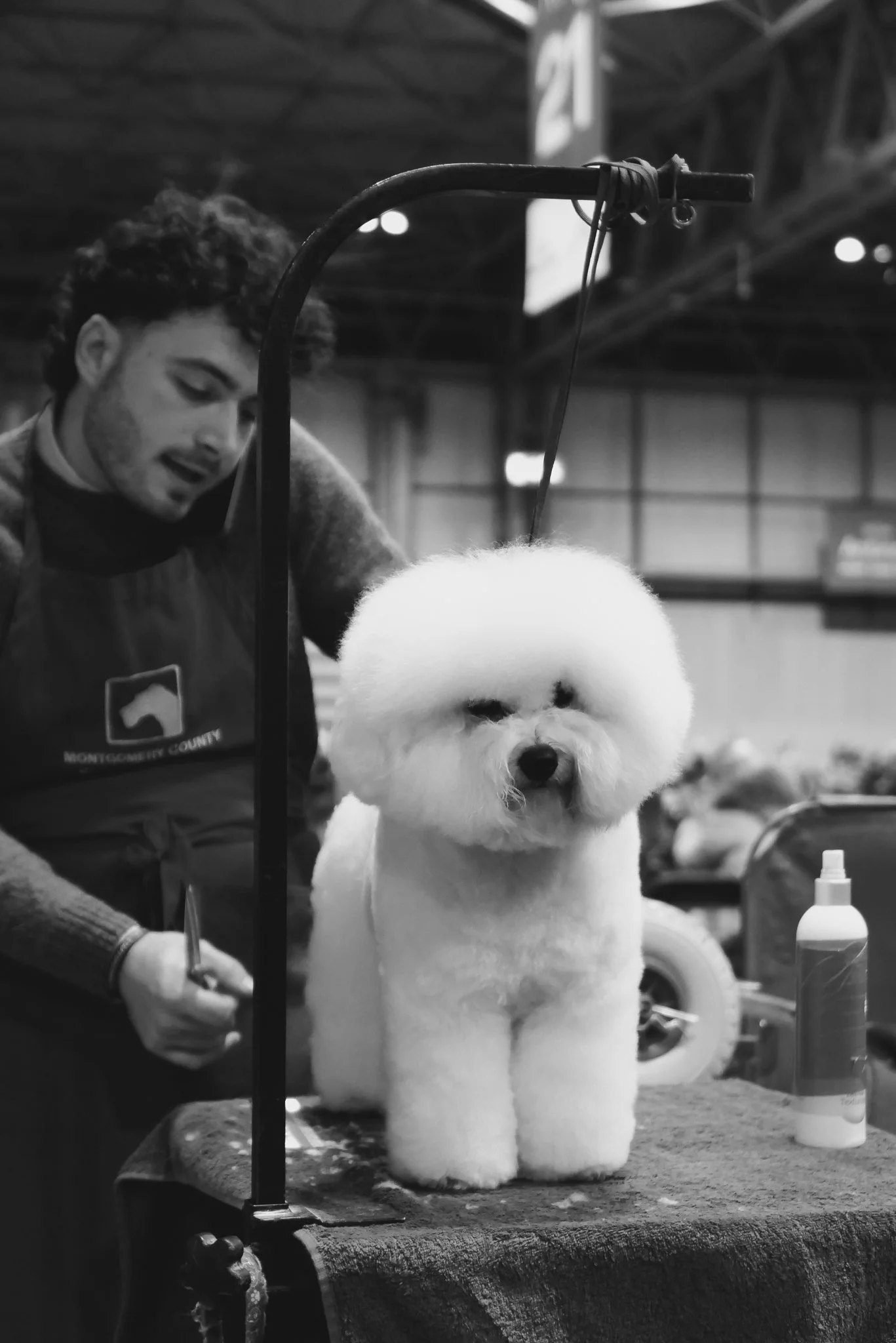
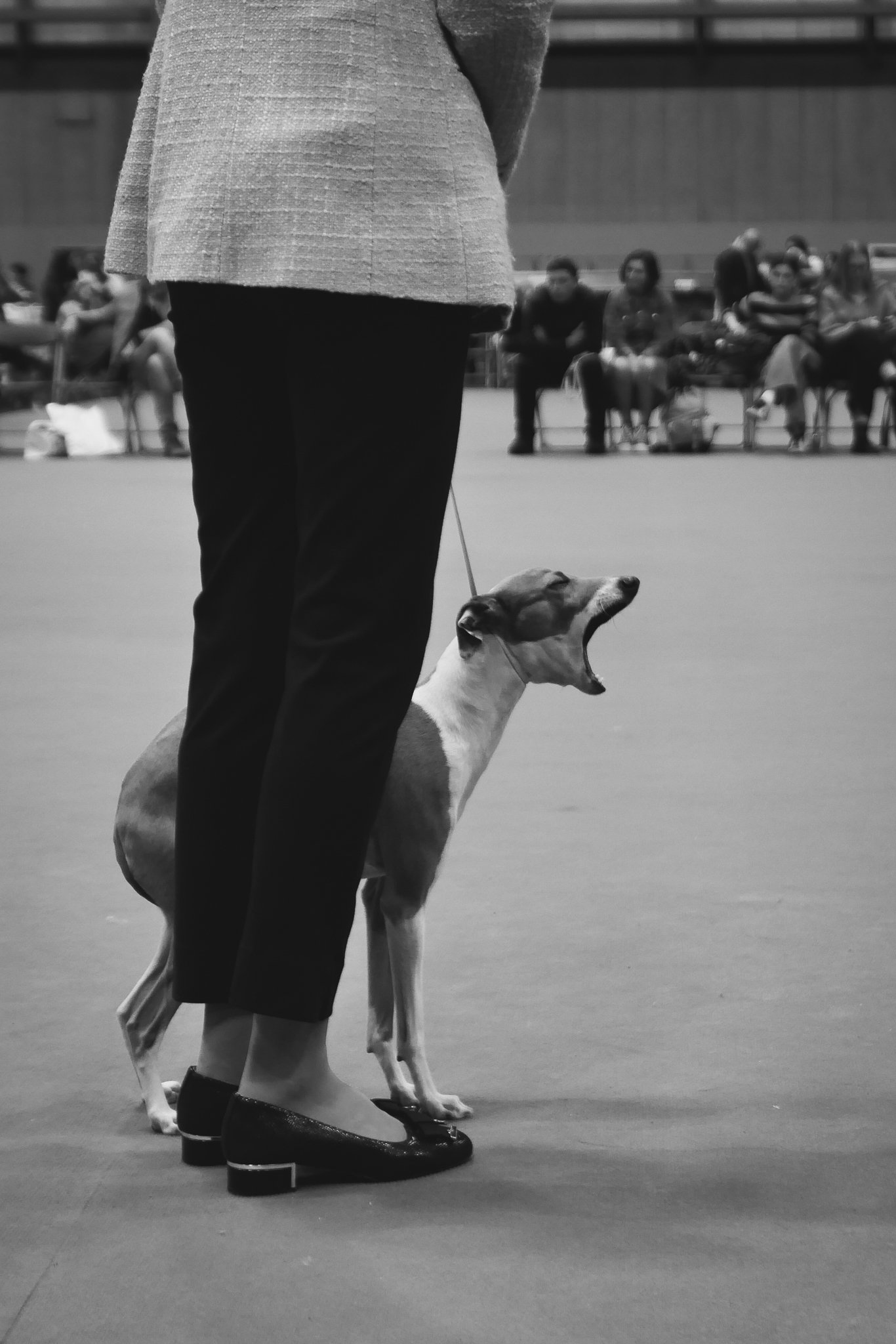
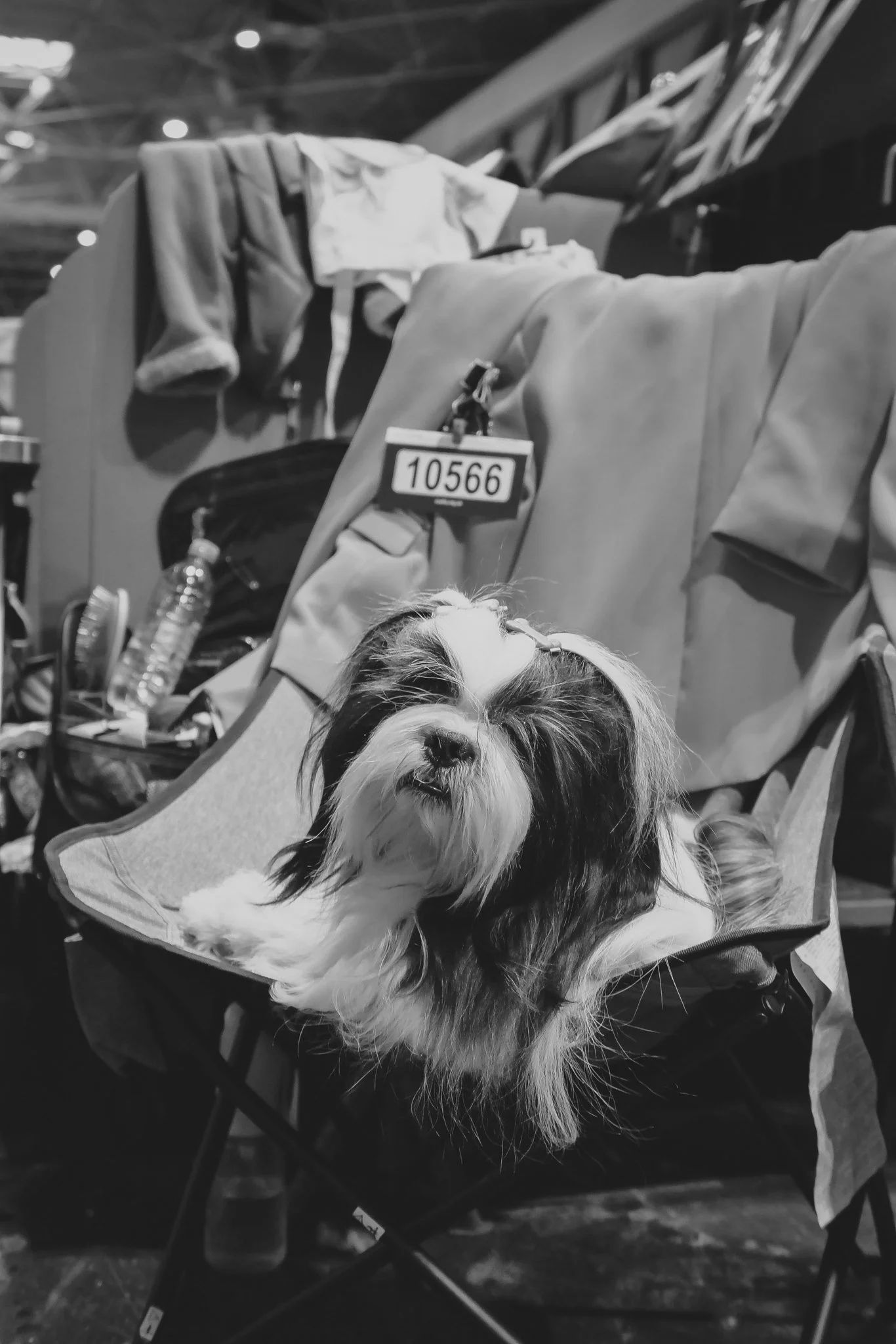
Crufts day 3 and it is all about the fluff. Honestly, I do love this day, you can see the best groomed dogs on the planet, fur which I get envy about #hairgoals . It is the day dogs get pampered, groomed, fluffed up, shaved and laying on pillows. Welcome to the Toy and Utility Dog Day at Crufts.
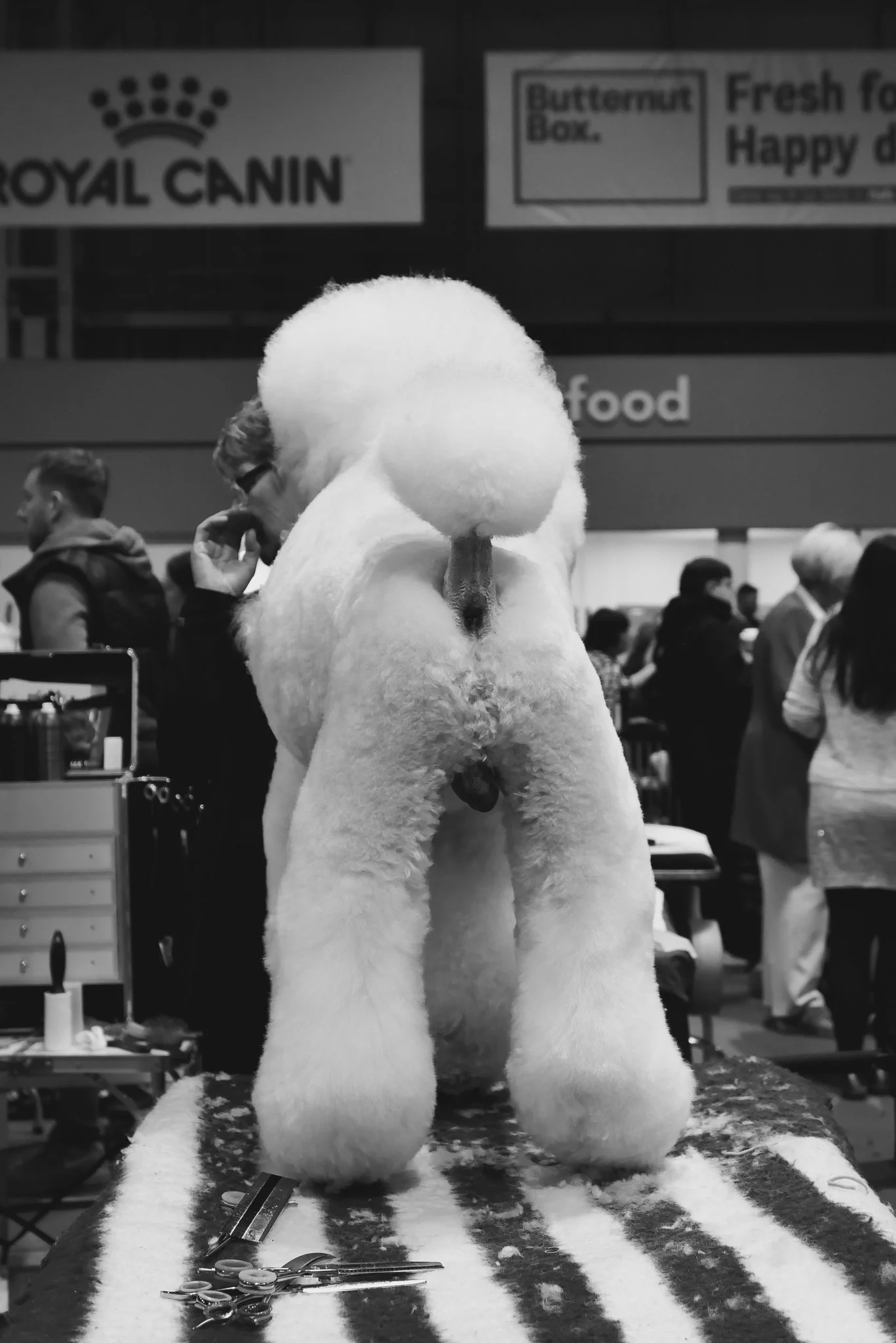
Poodles: a concise history. The poodle’s ancestors likely emerged in Europe, possibly the French and German regions, with genetic links to various water and retrieving breeds. Poodle-like dogs appear in art and tapestries from the 17th century. The name “poodle” is derived from the German word pudel or pudelin, meaning “to splash in water,” reflecting the breed’s original role as a water retriever. Poodles were bred primarily for retrieving waterfowl. Their intelligence, swimming ability and waterproof coats made them excellent hunting companions. Their trainability and appearance led to poodles featuring in circuses and as performer dogs from the 18th century onwards. And over time the poodle transitioned from strictly working dog to fashionable companion, especially among European aristocracy and bourgeois households. In France the poodle is often called the national dog and French breeders refined the breed and popularised the elaborate trimming styles.
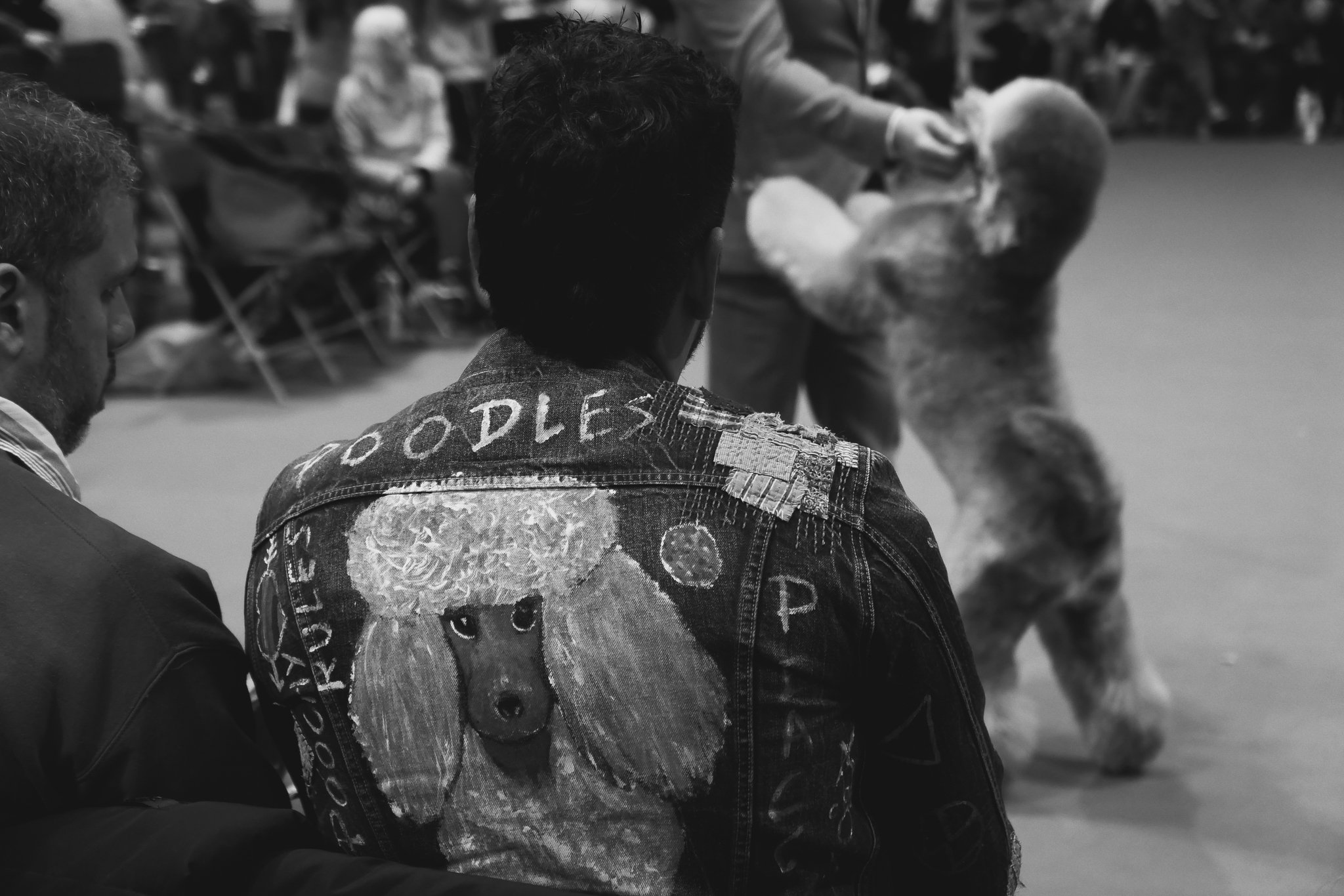
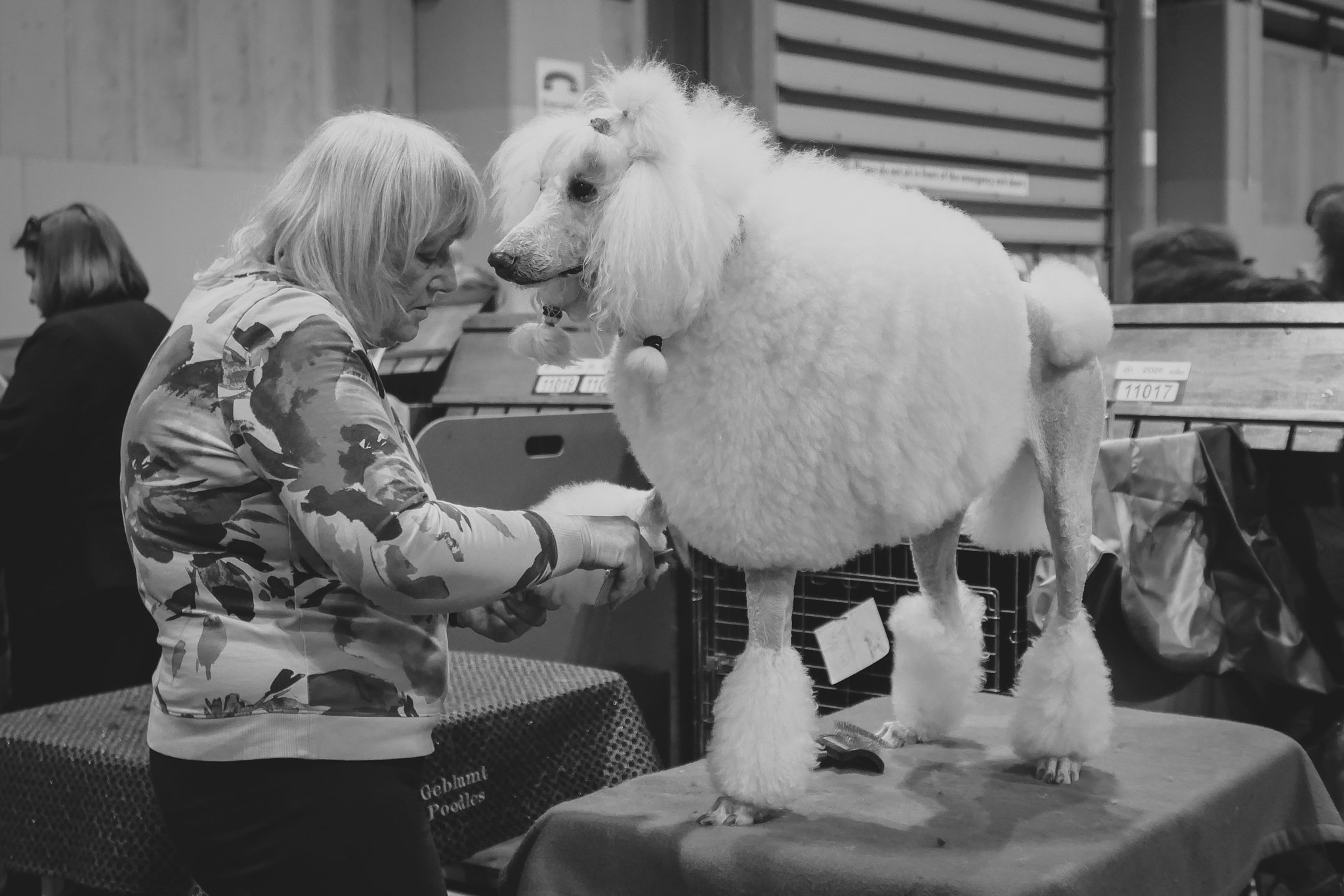
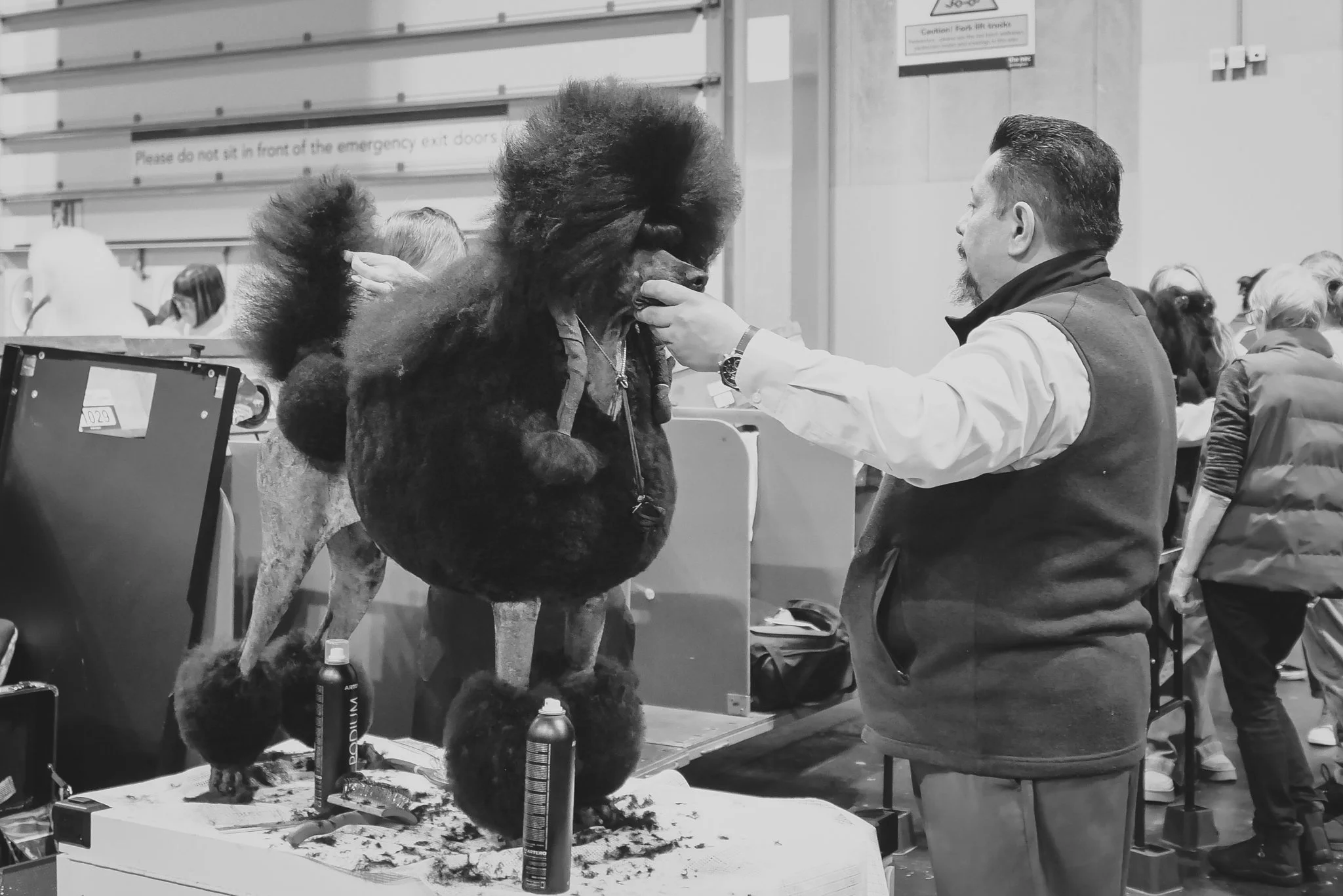
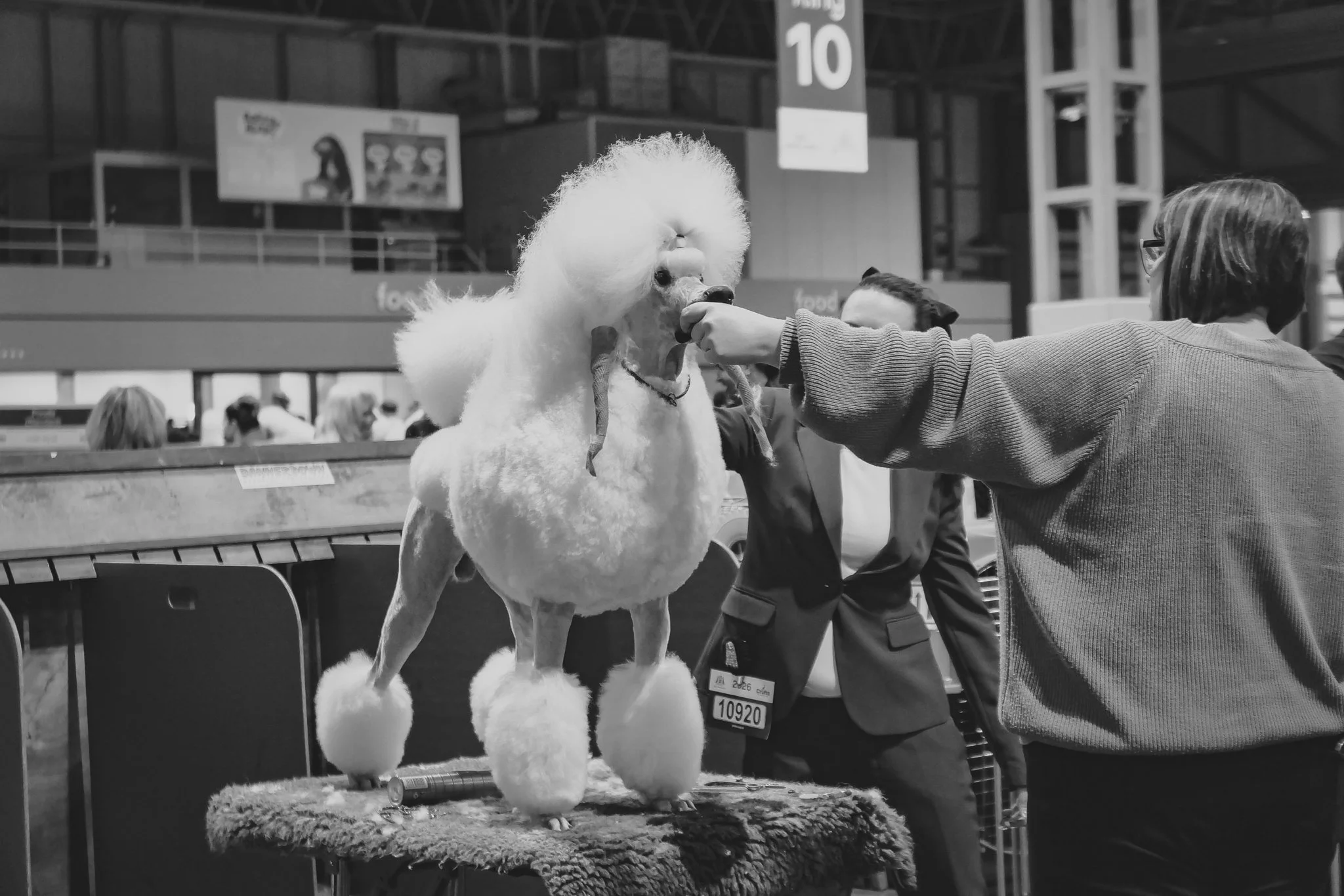
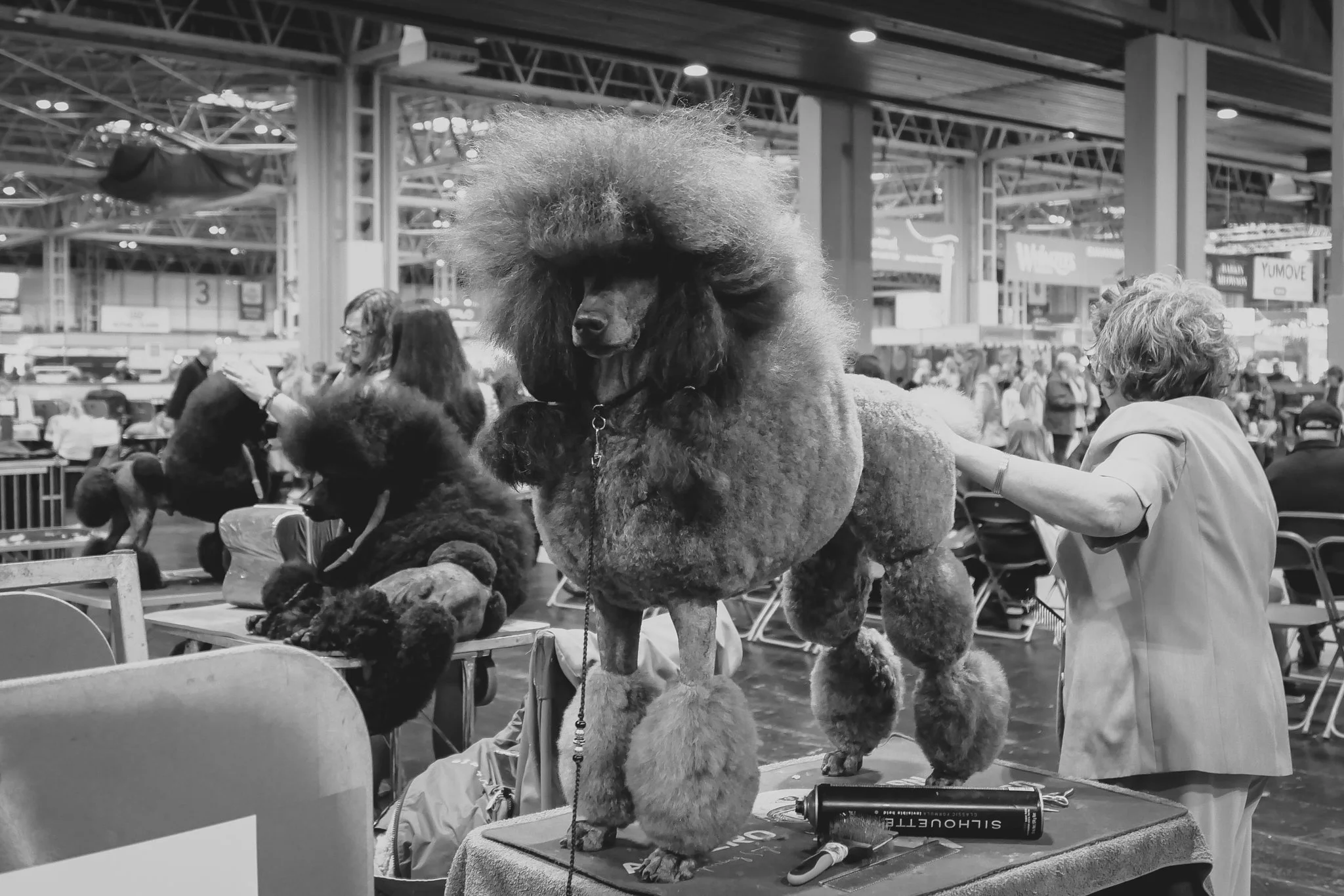
Toy and utility dogs have long occupied distinct but complementary roles in human households and societies. Both groups have deep historical roots, shaped by selective breeding for particular sizes, temperaments and tasks. Below is an overview of their development, functions and cultural significance.
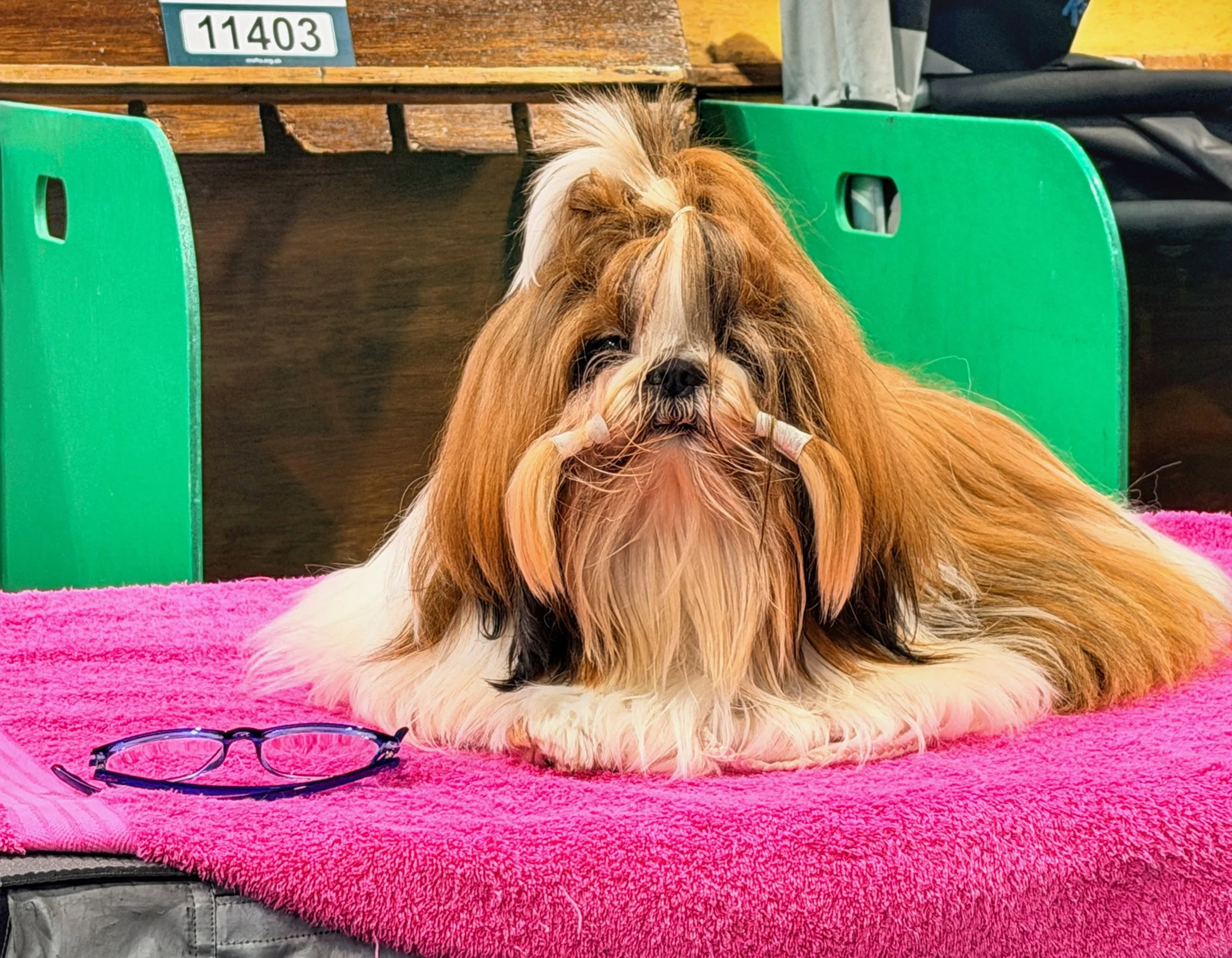
An interesting history … Ancient beginnings: Small companion dogs appear in ancient civilisations, notably Egypt, China and Mesoamerica. Archaeological finds and artistic representations from as early as 2000–1000 BCE show little dogs kept as lap companions, status symbols and ritual animals. China played a pivotal role in the development of many modern toy breeds. Breeds such as the Pekingese, Shih Tzu and Pug were favoured by imperial courts. These dogs were often pampered, represented in art, and sometimes even treated as semi-sacred.
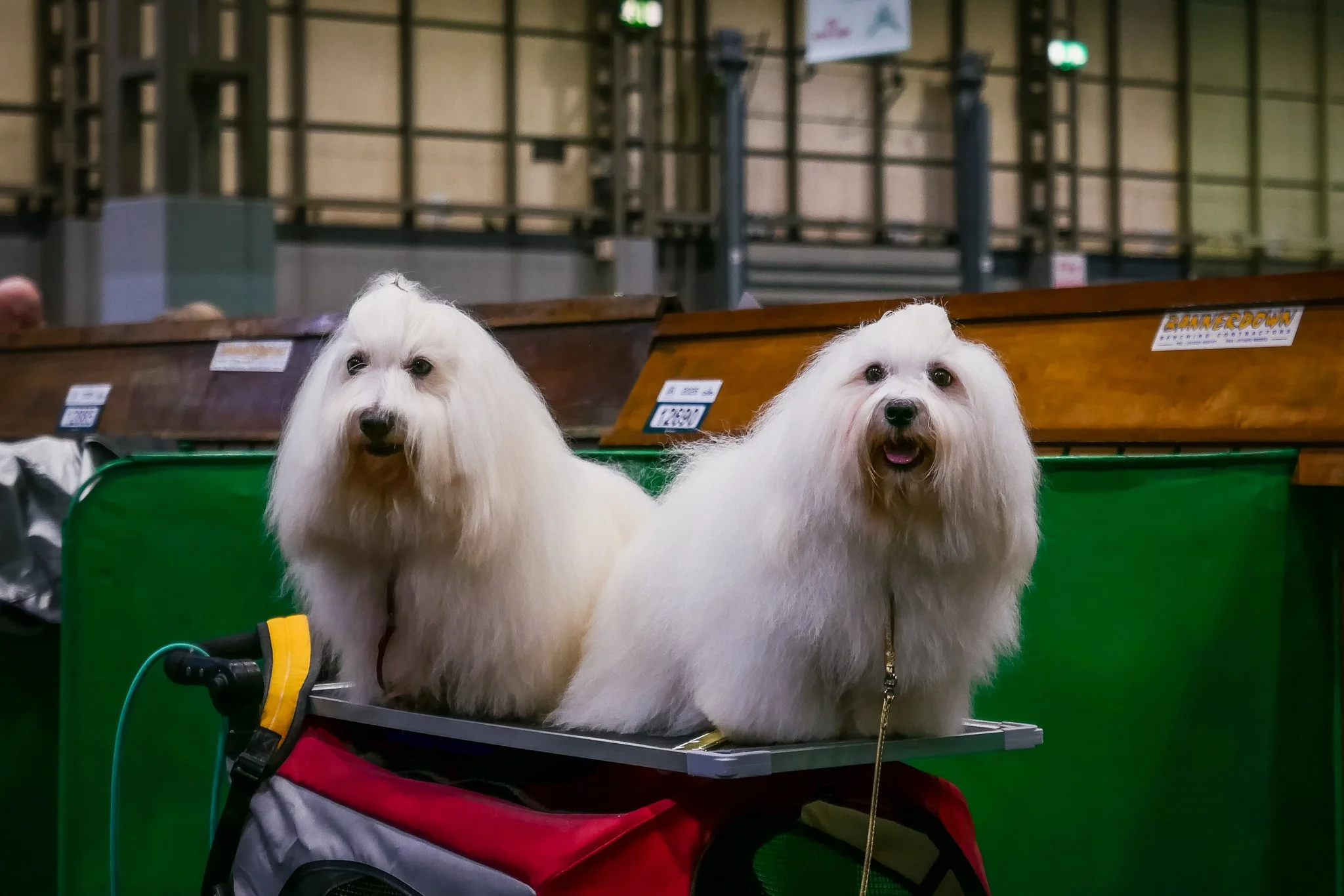
Toy dogs reached Europe through trade routes and diplomatic gifts. In medieval and Renaissance courts, small spaniel-type dogs and later breeds like the Maltese became fashionable among nobility and aristocracy. They served as companions, comforters and sometimes as fashion accessories (carried in muff or pocket).
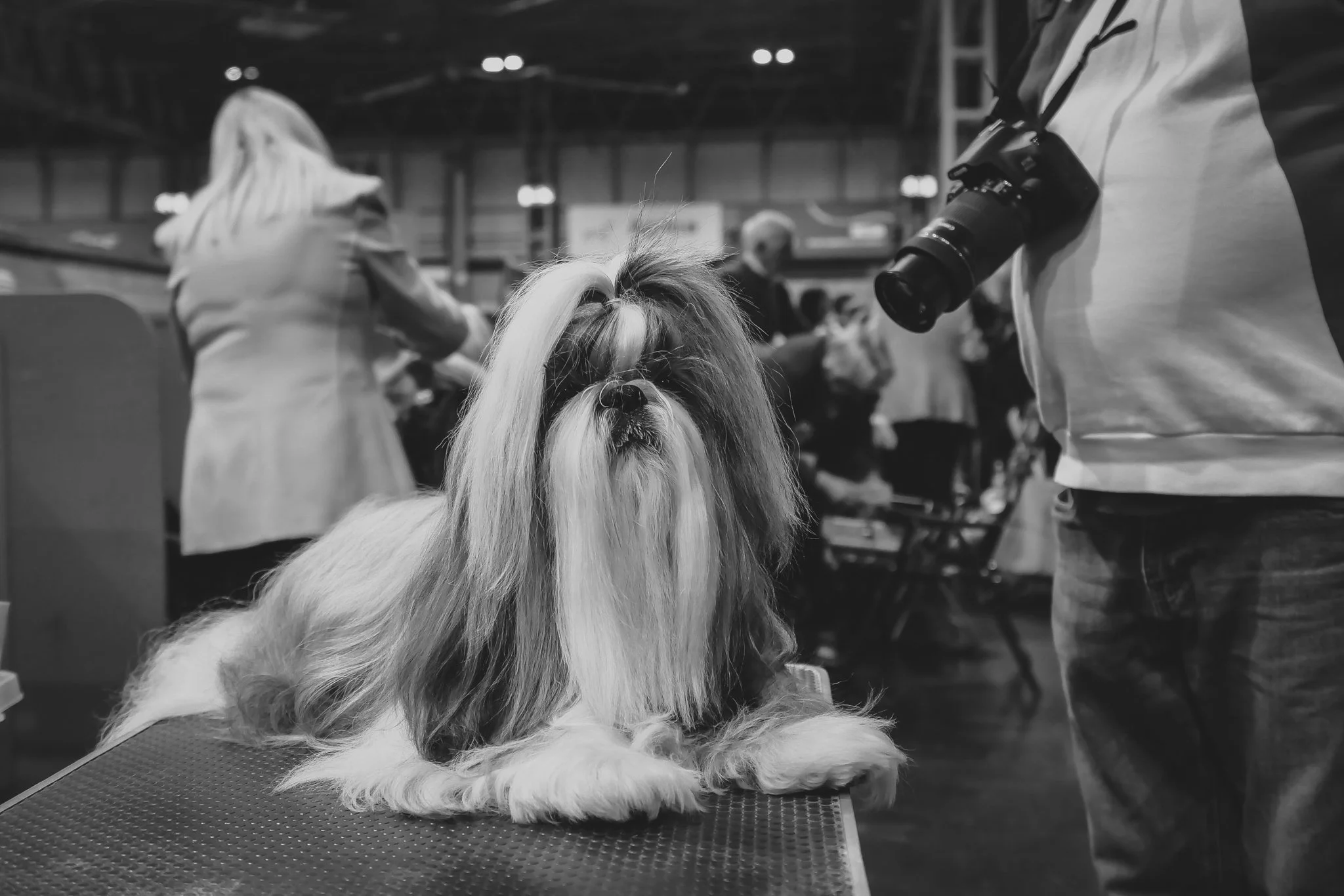
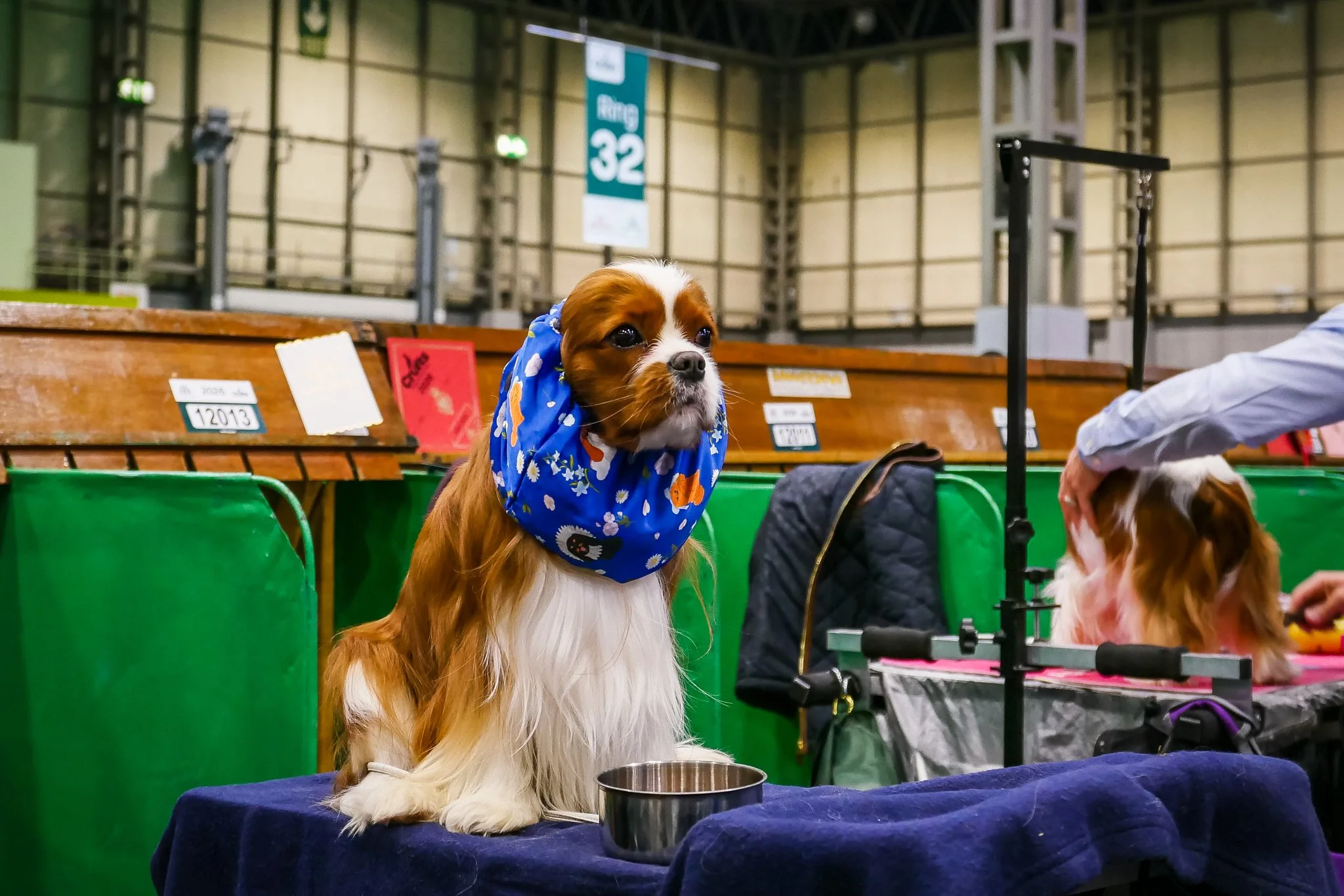
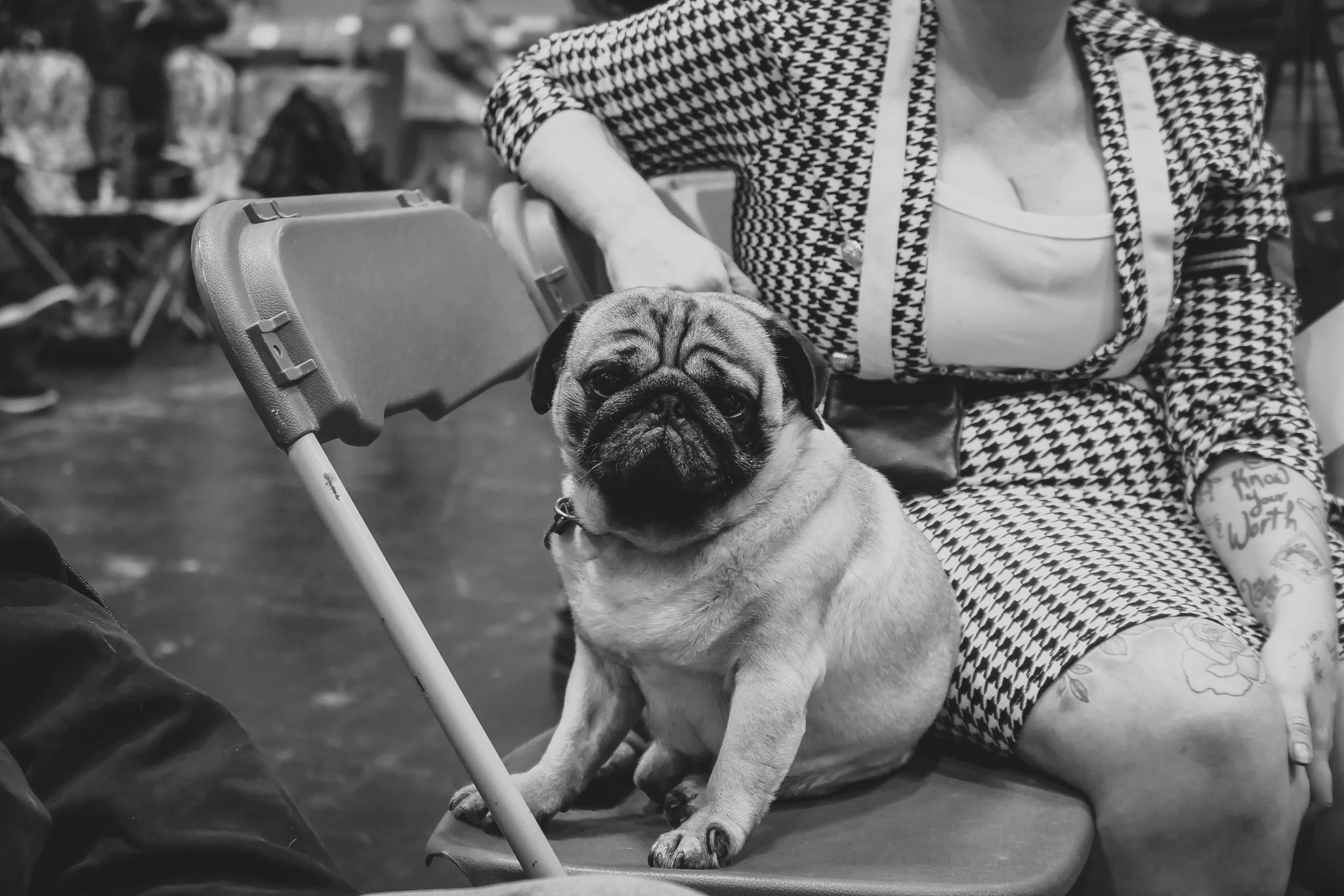
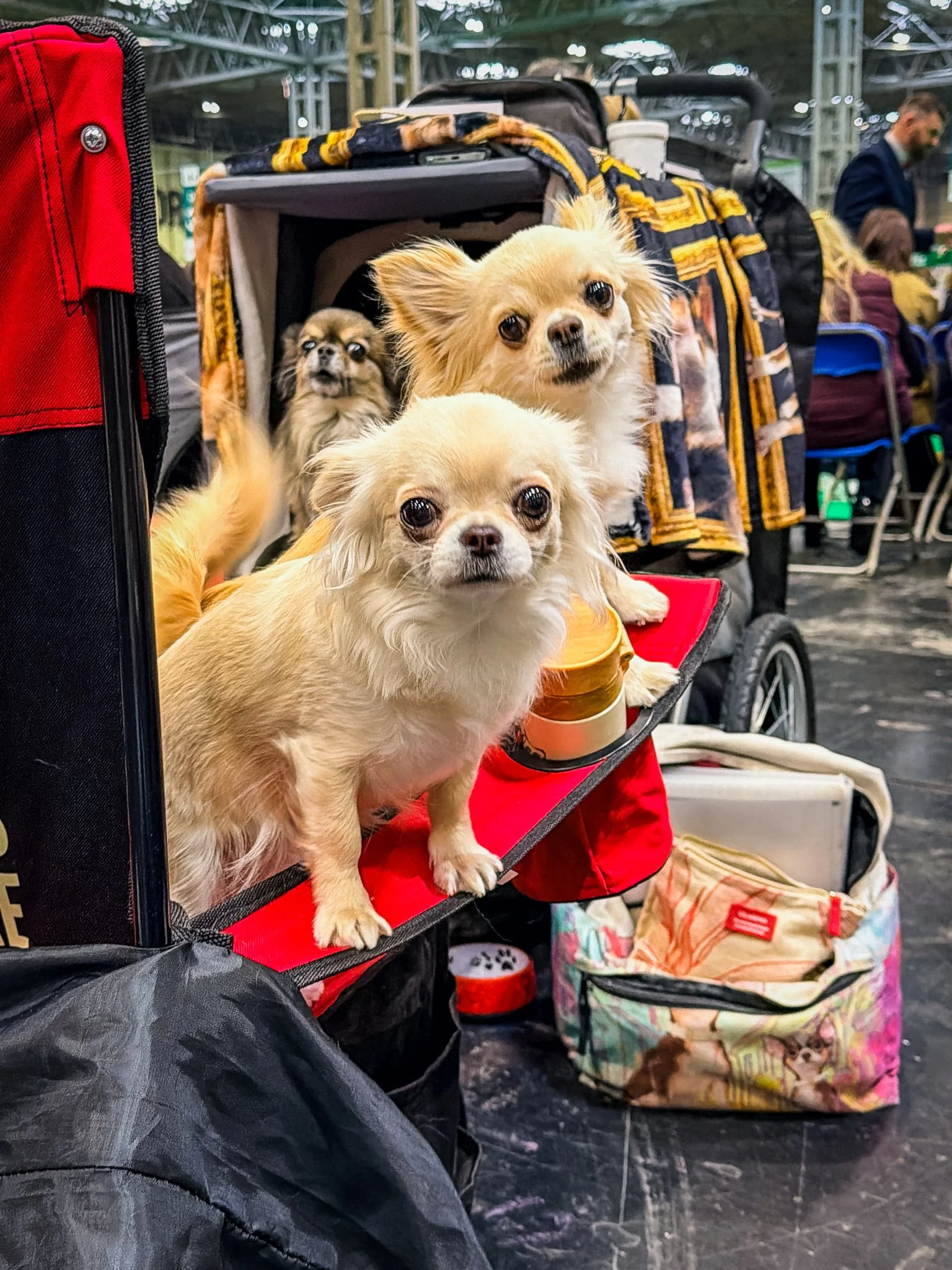
Toy breeds are the result of deliberate miniaturisation from larger ancestors or the preservation of naturally small types. Breeders selected for small size, friendly temperament, and features desirable to owners—such as flat faces, long coats, or large eyes. Toy dogs were and are bred for sociability, attachment to humans, adaptability to indoor life and low guarding instinct. Their small size made them ideal for indoor companionship and city living.
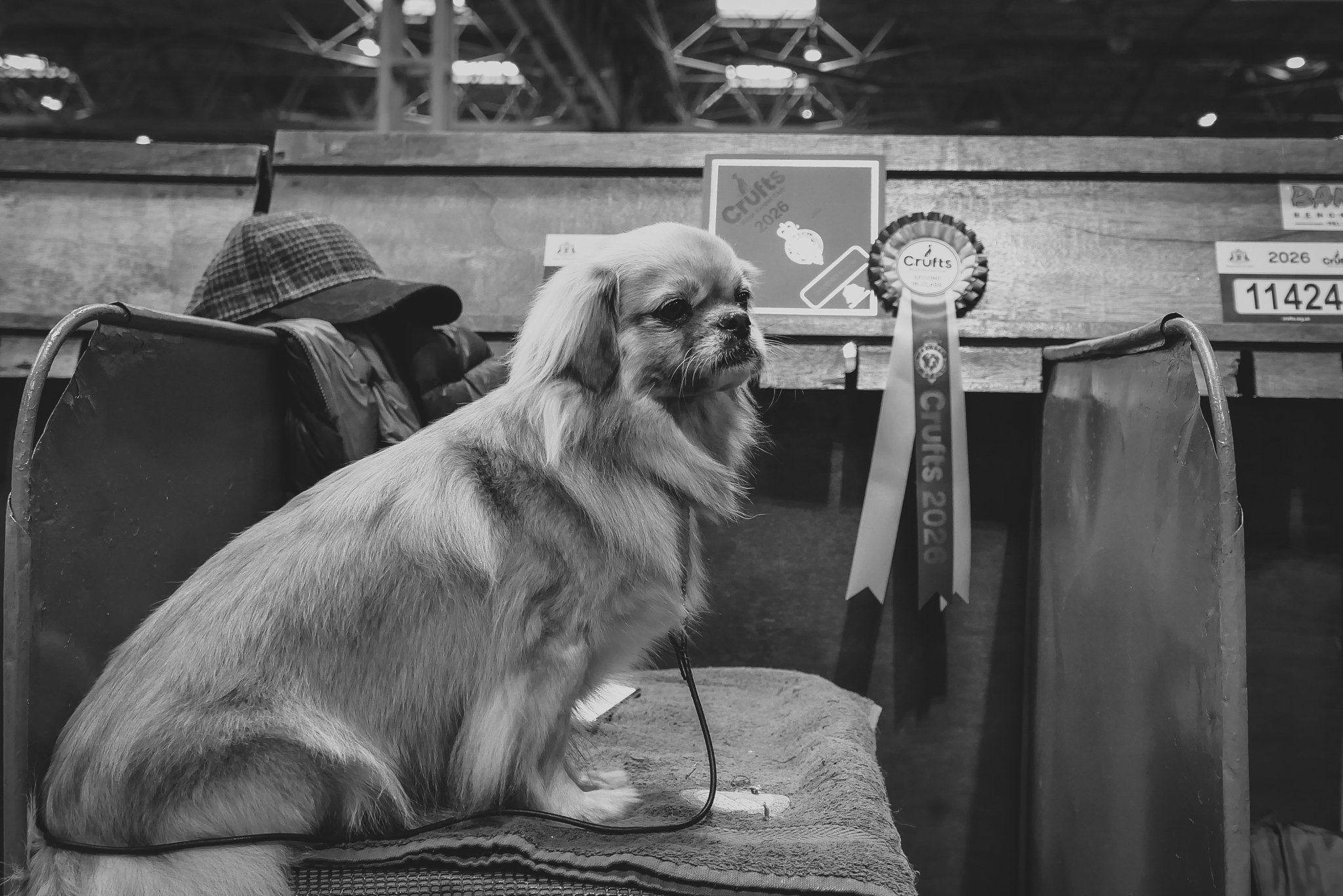
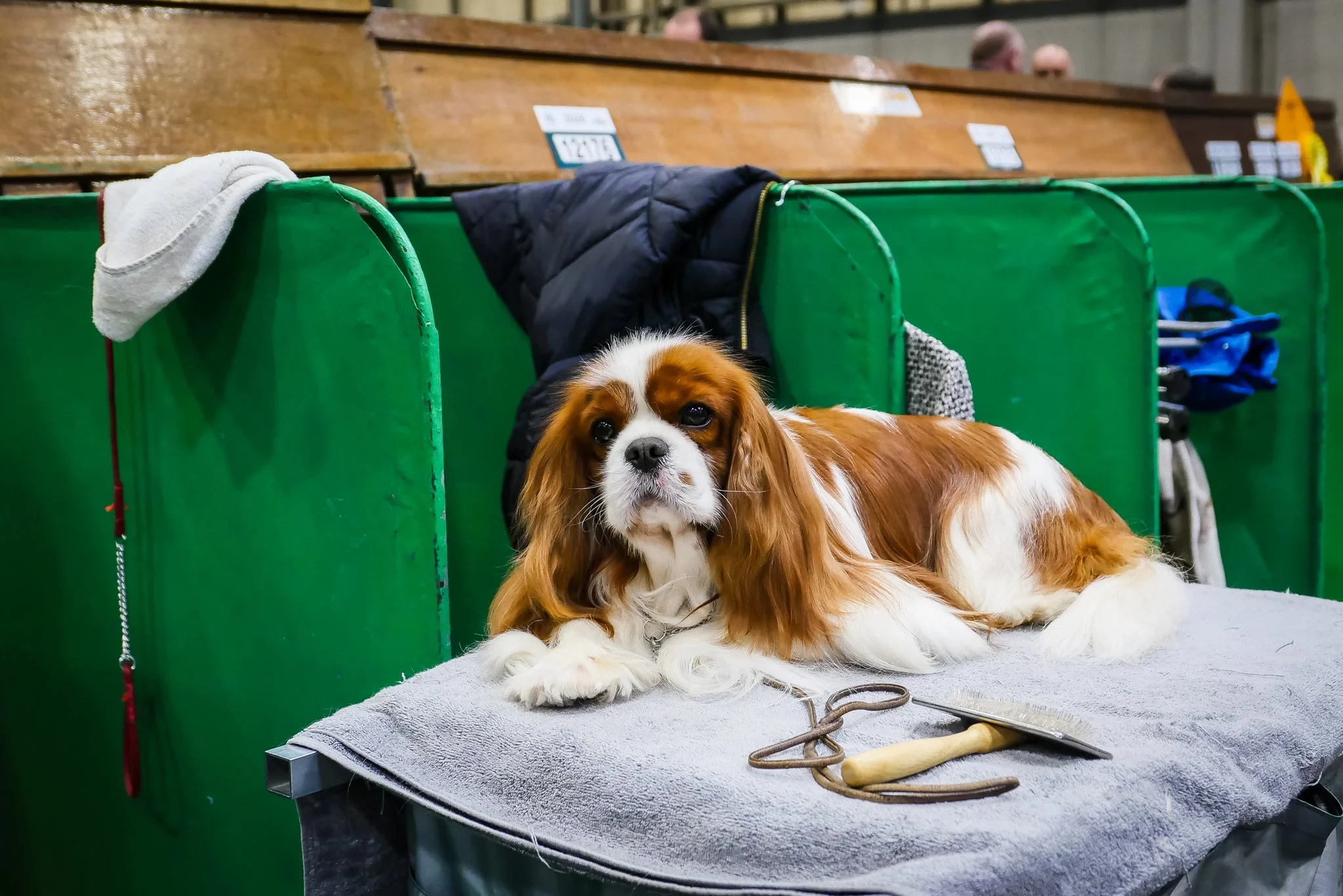
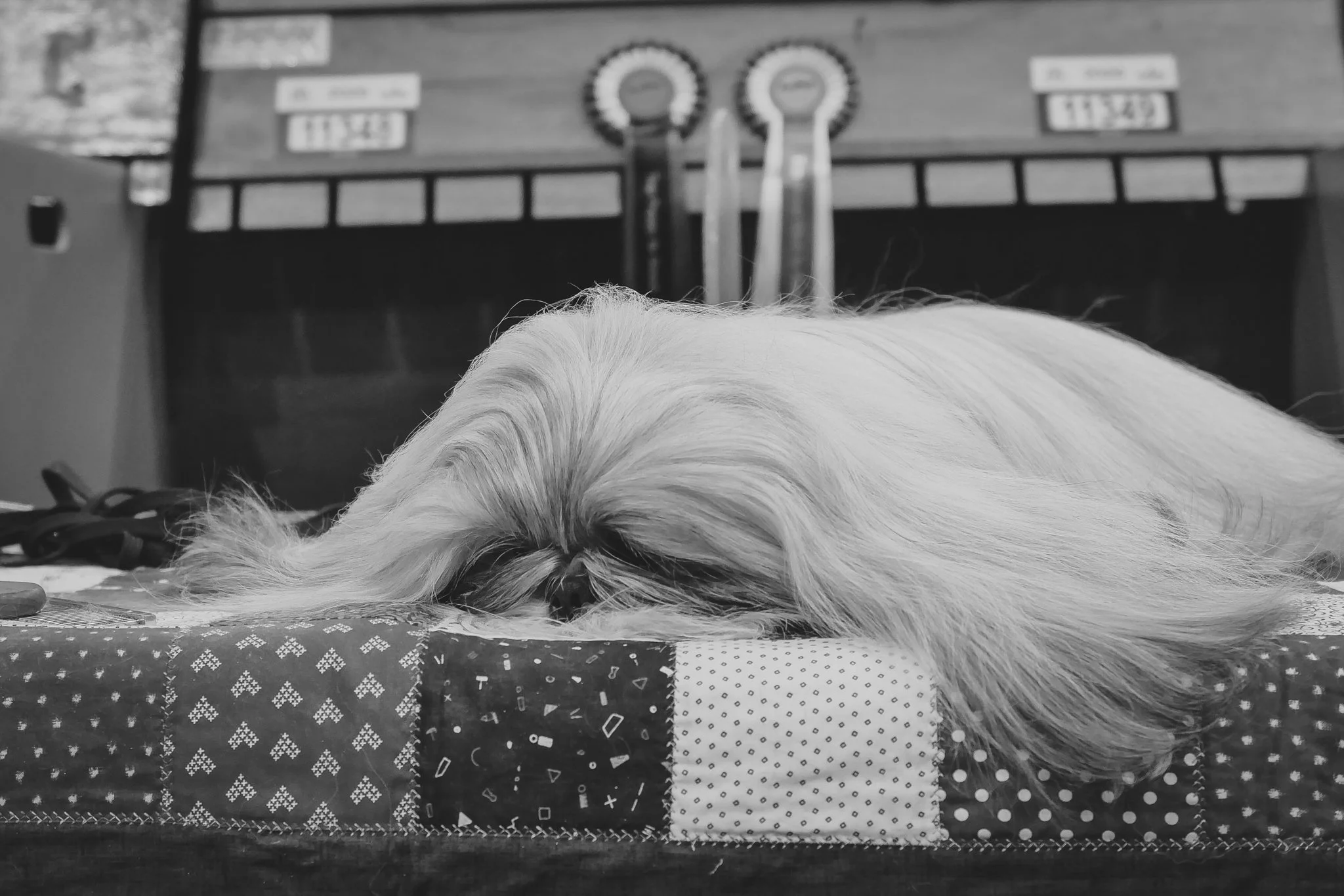
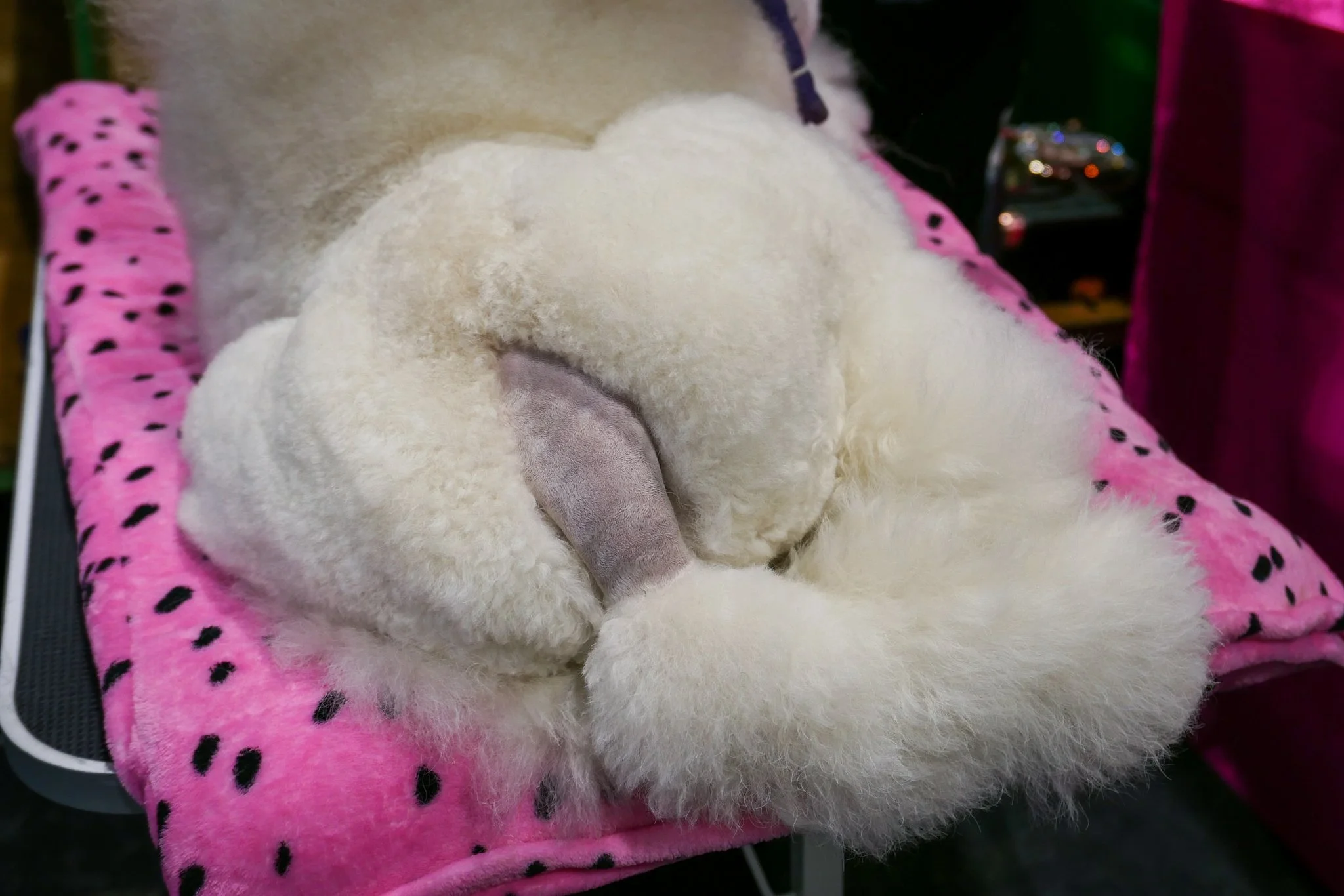
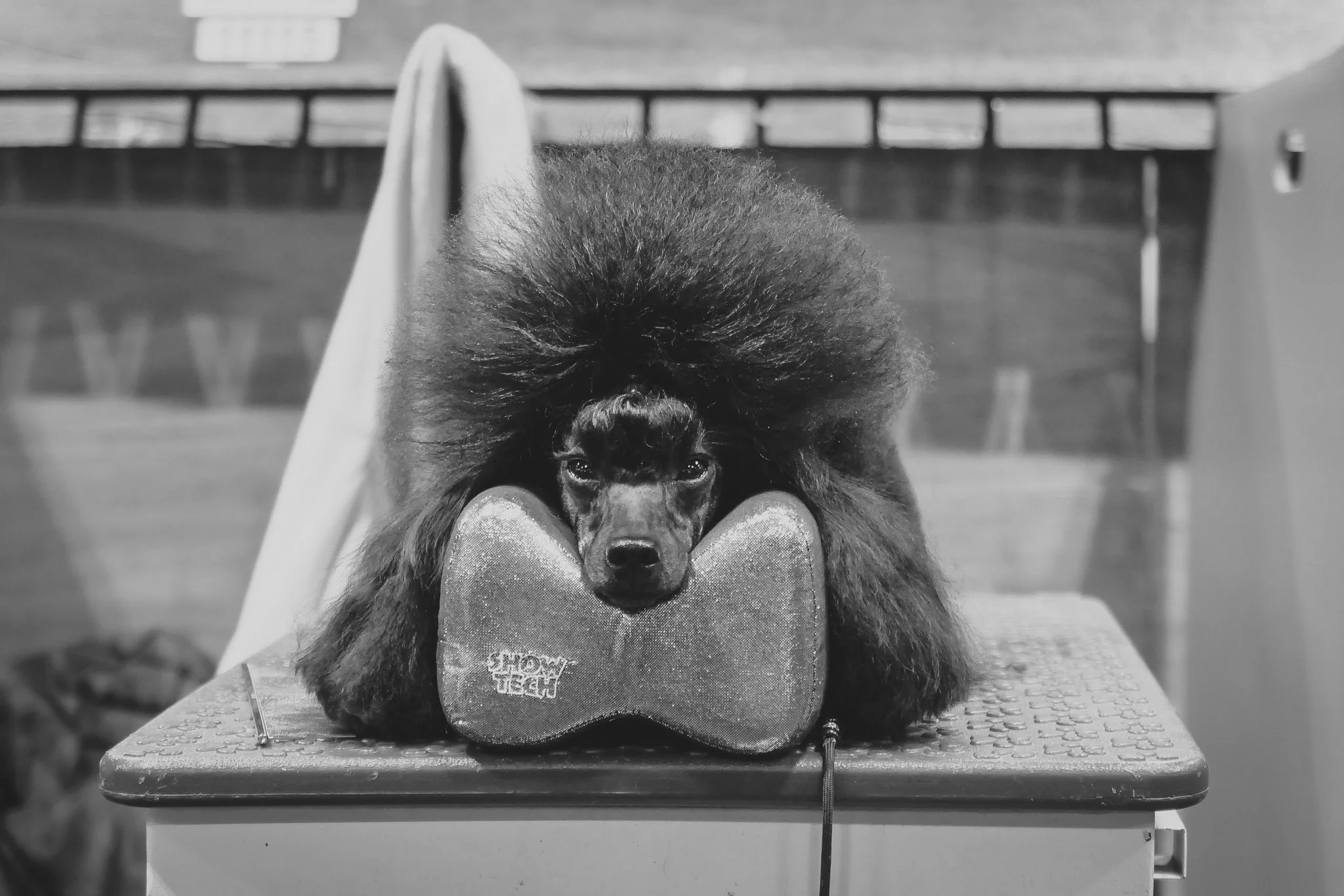
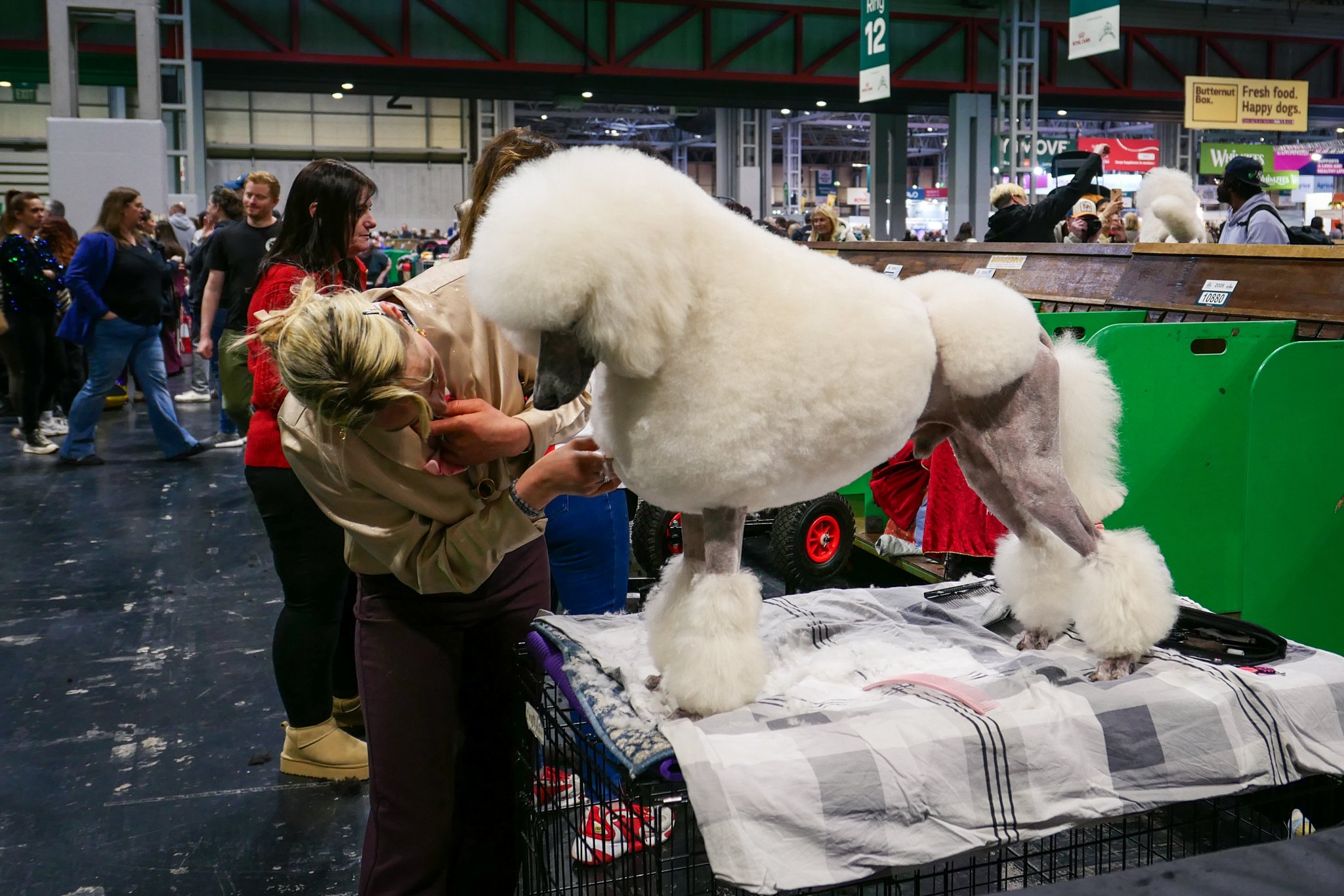
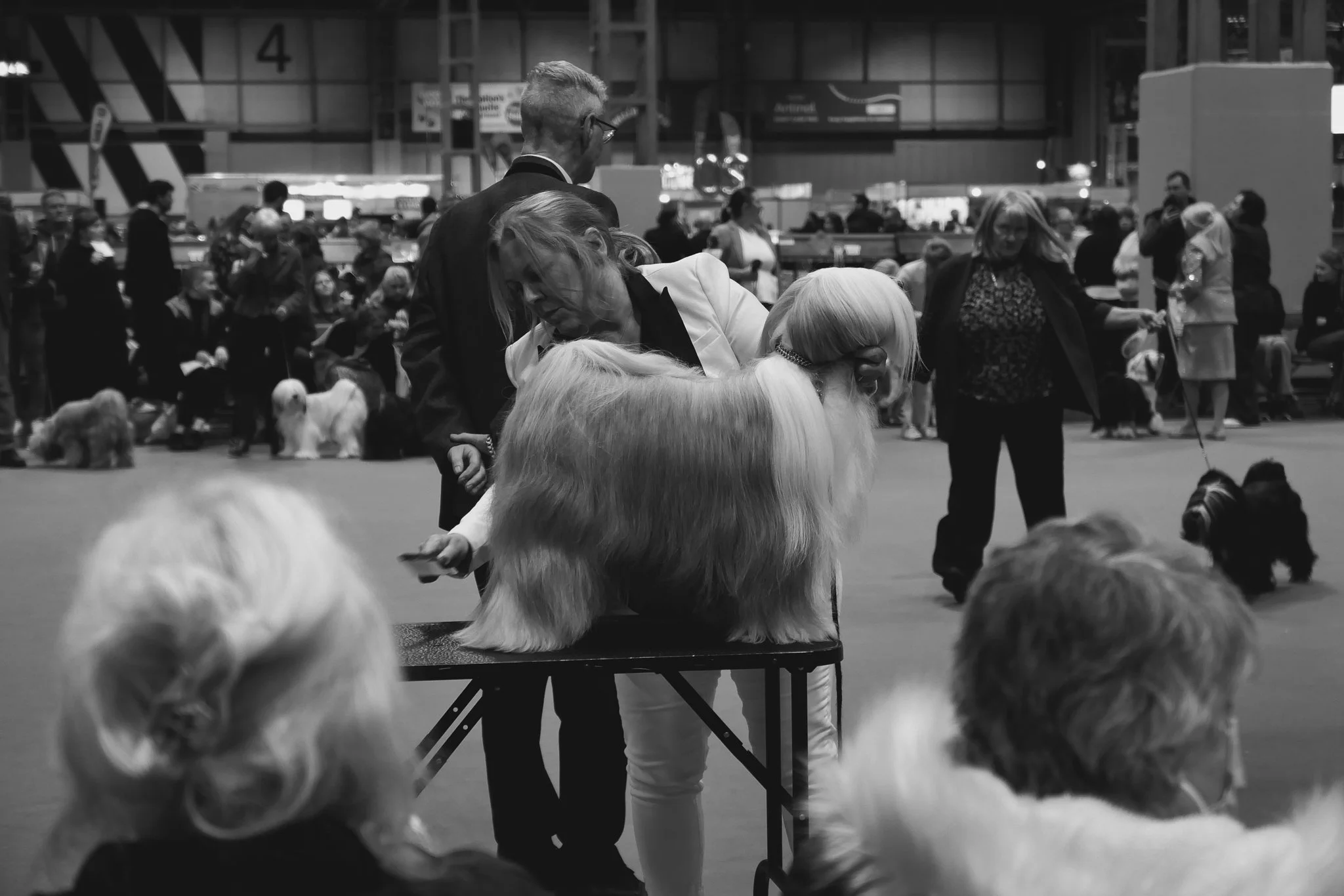
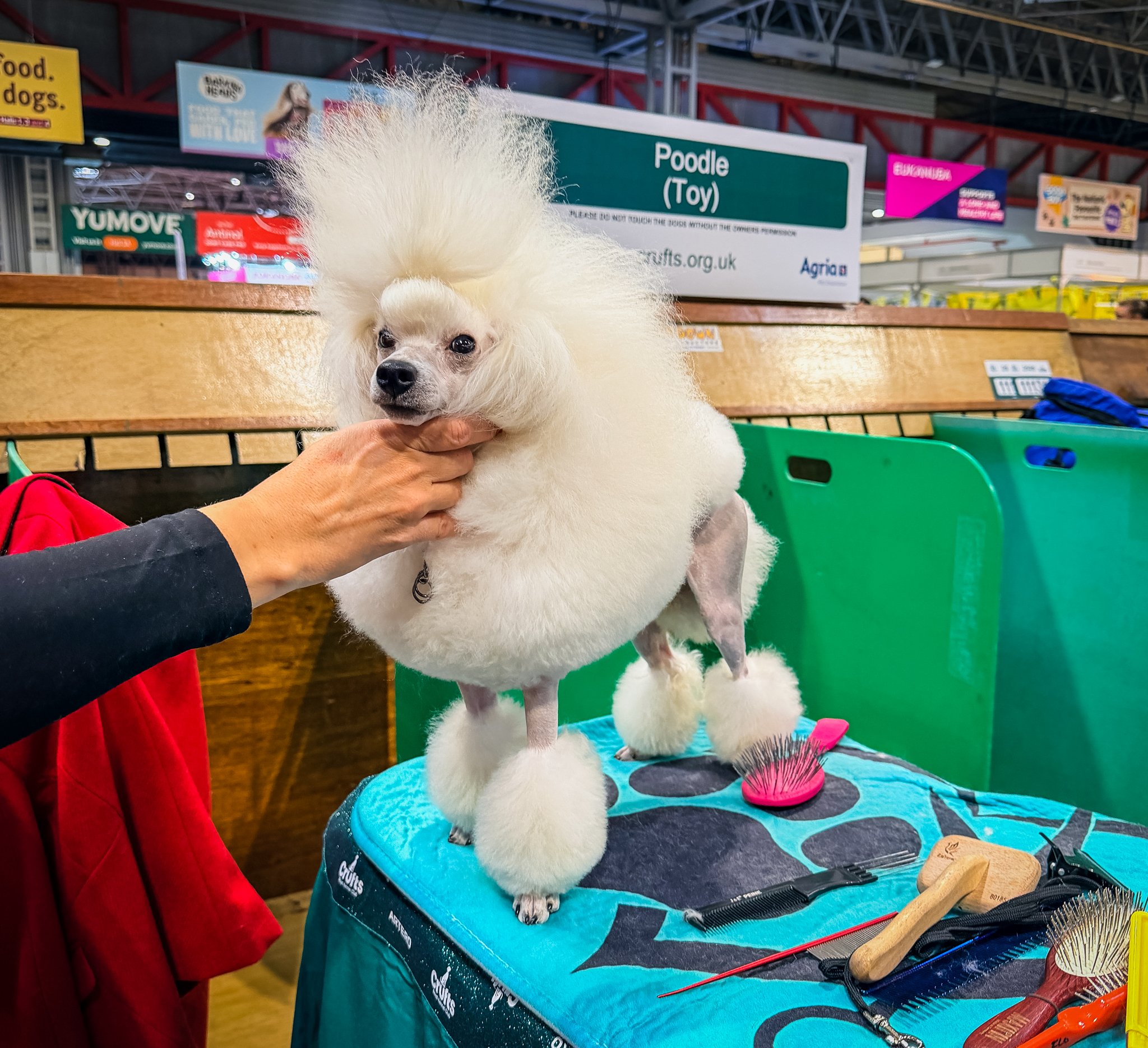
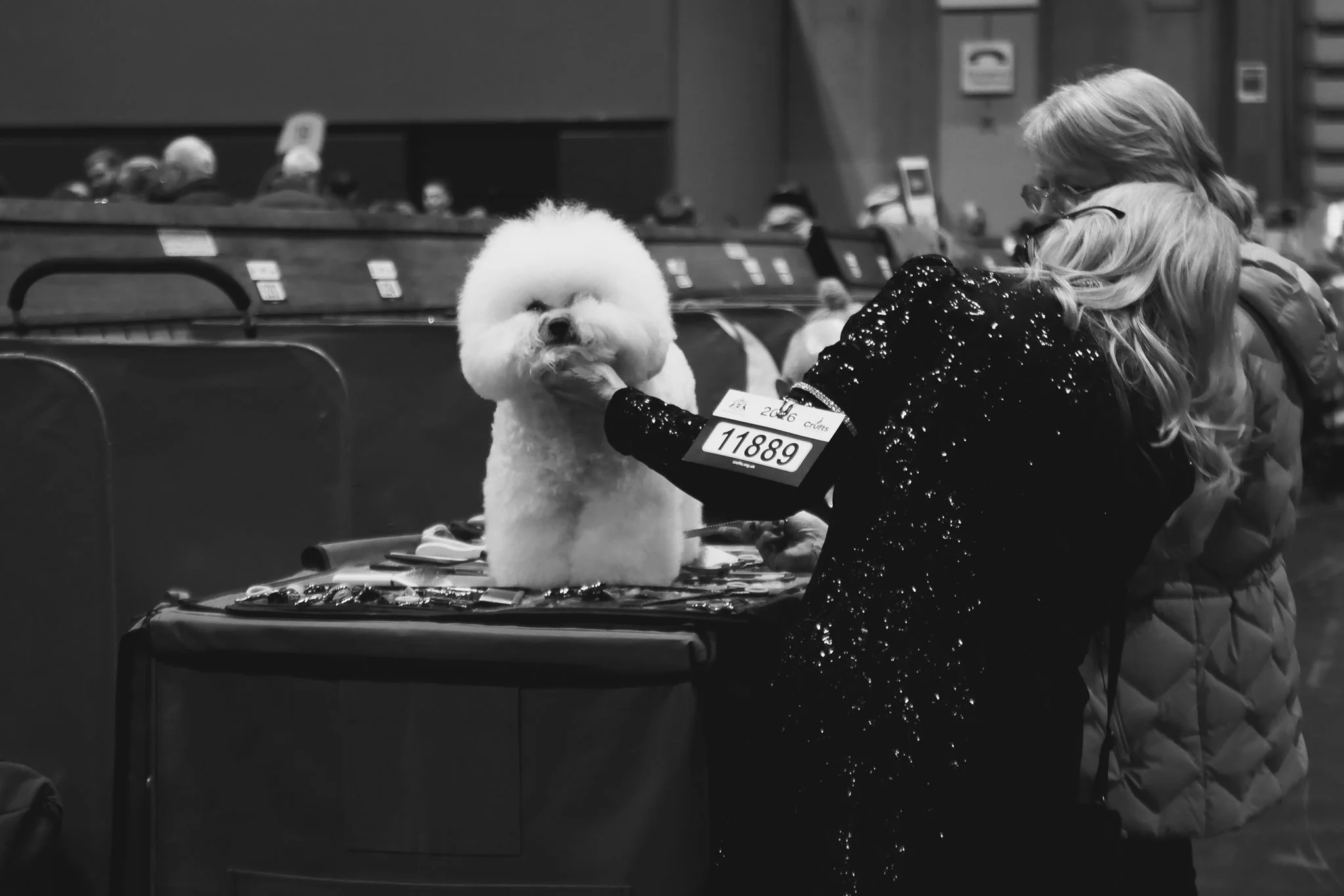
Toy dogs have often signified status, taste and intimacy. In many courts, owning a particular breed was associated with prestige. Historically and today, toy dogs provide comfort, reduce loneliness and serve as early forms of animal-assisted therapy. Their portability makes them well suited to visiting and calming people in homes and institutions.
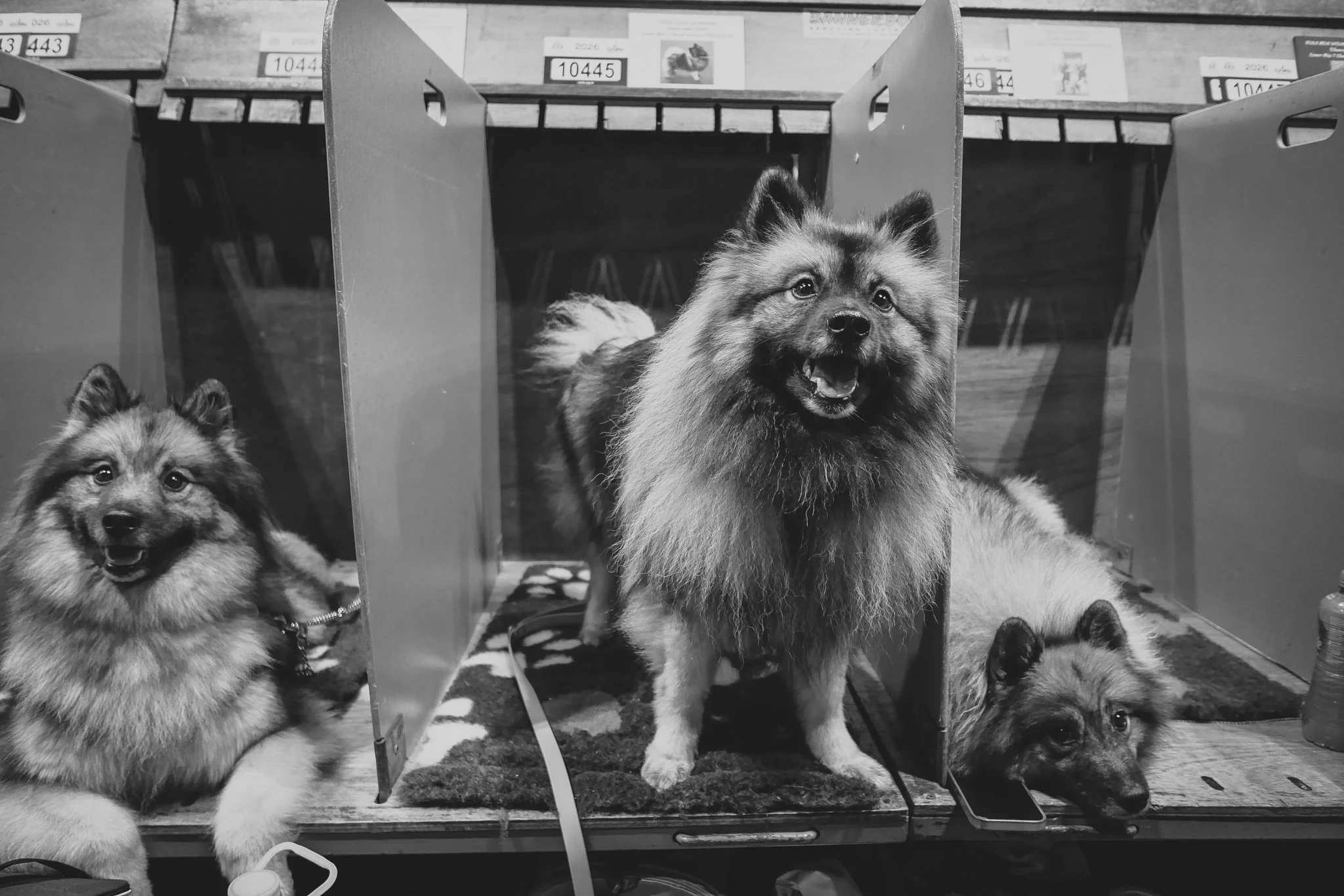
Utility dogs were bred for specific tasks that assisted human survival and daily work—herding, guarding, hunting, vermin control and hauling. Evidence across cultures shows dogs working alongside humans in agriculture, at sea and in warfare. Breeds evolved regionally to suit local climates, landscapes and tasks—for example, sturdy northern breeds for sled work and agile terriers for pest control in barns.
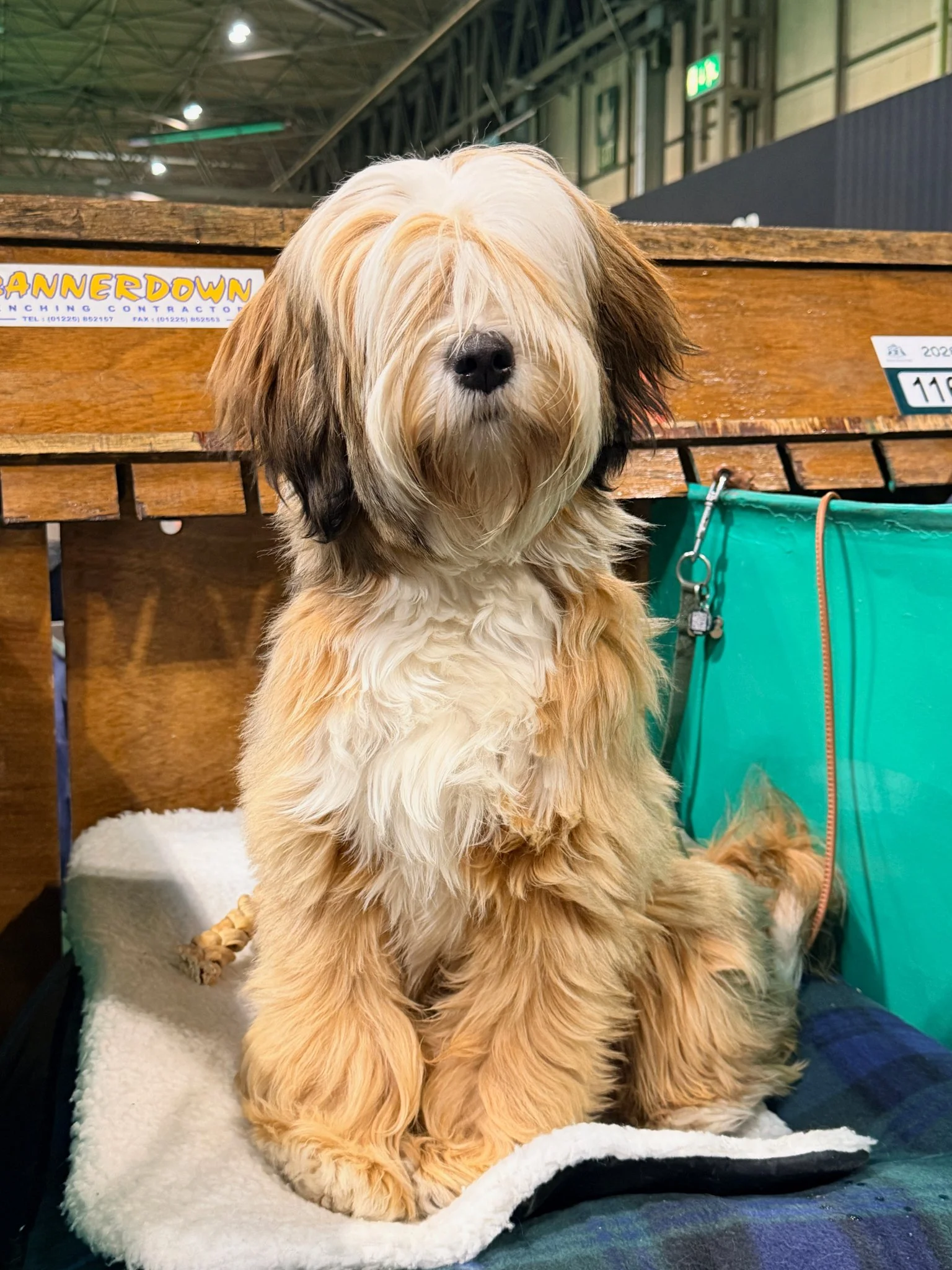
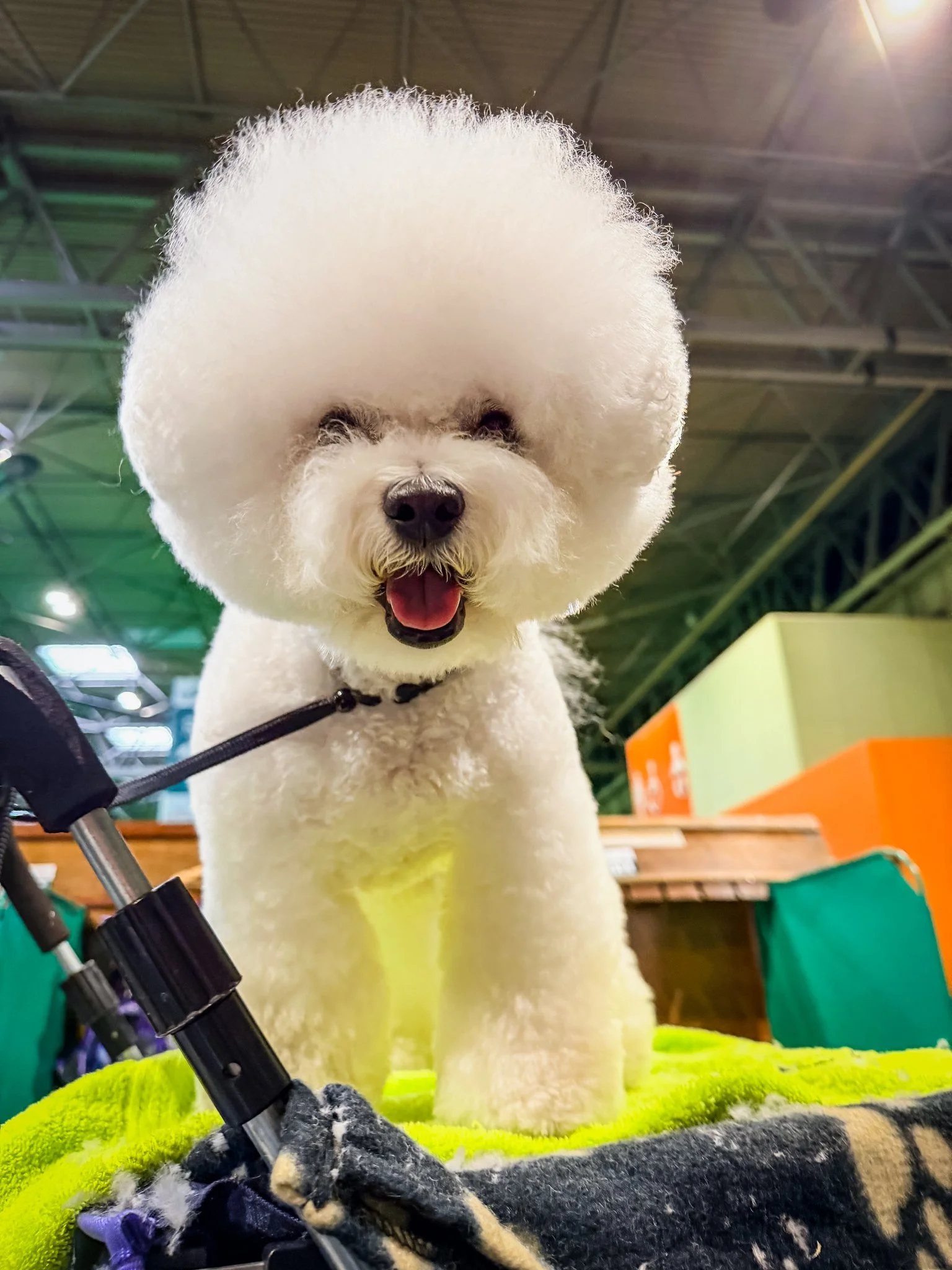
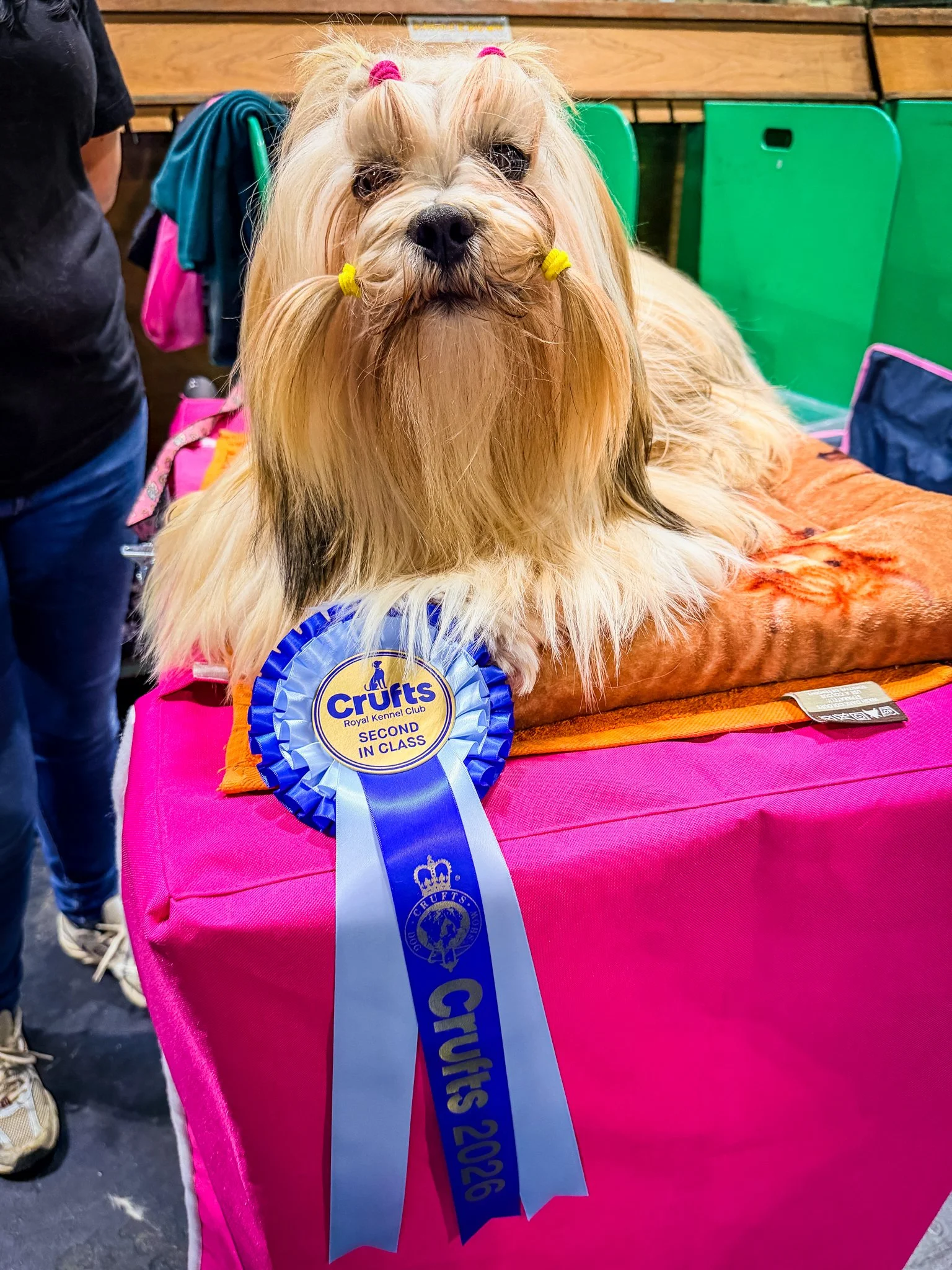
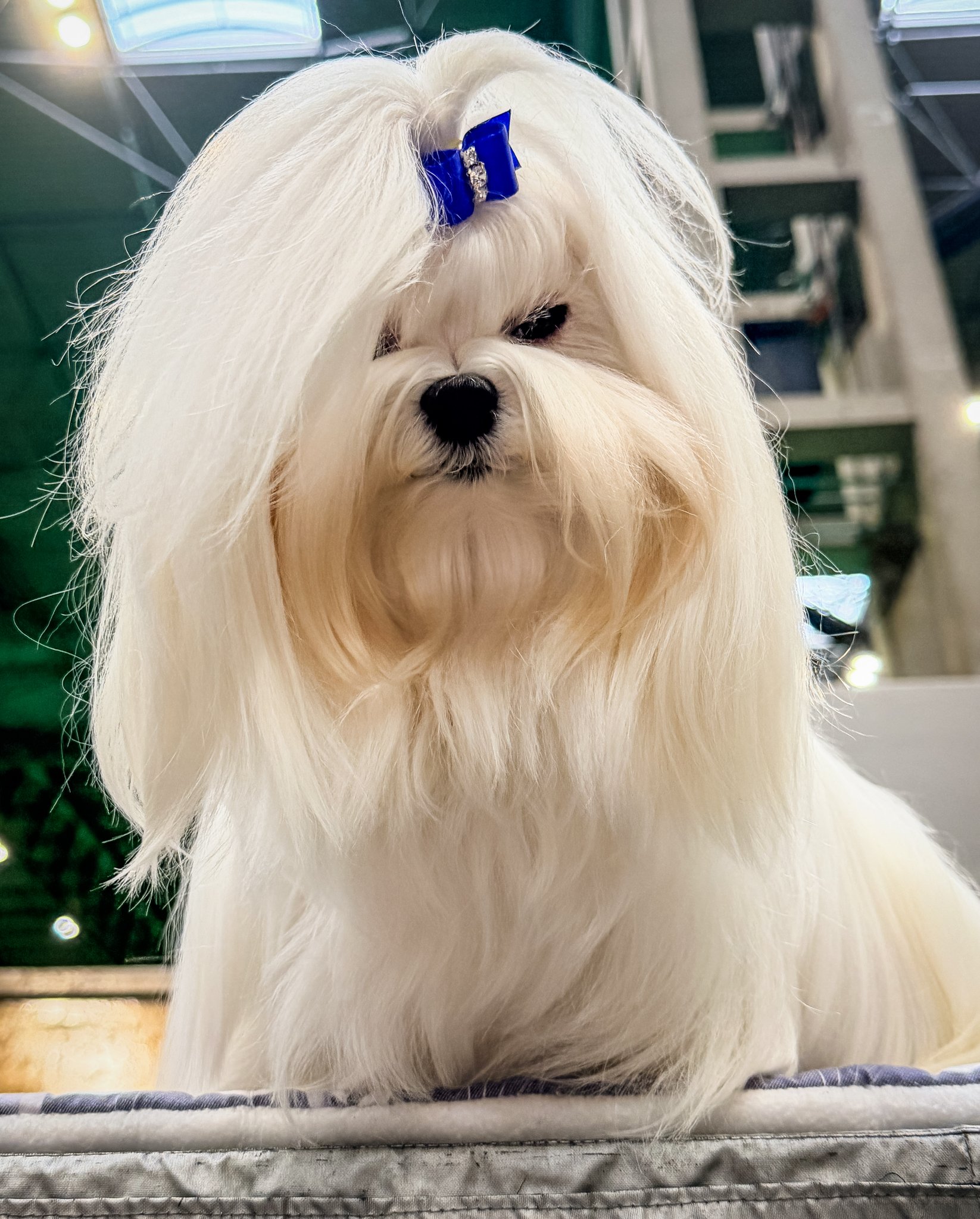
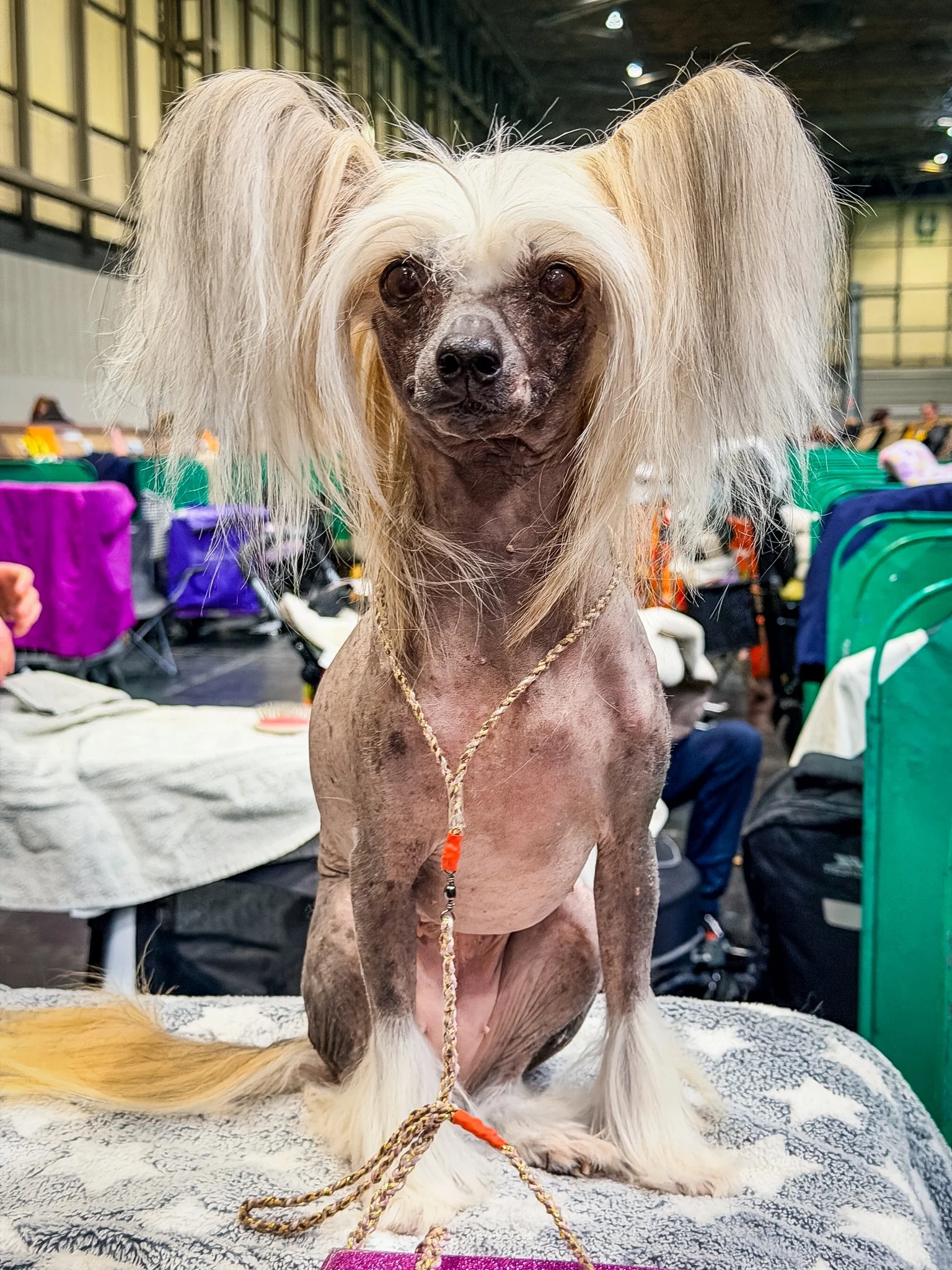
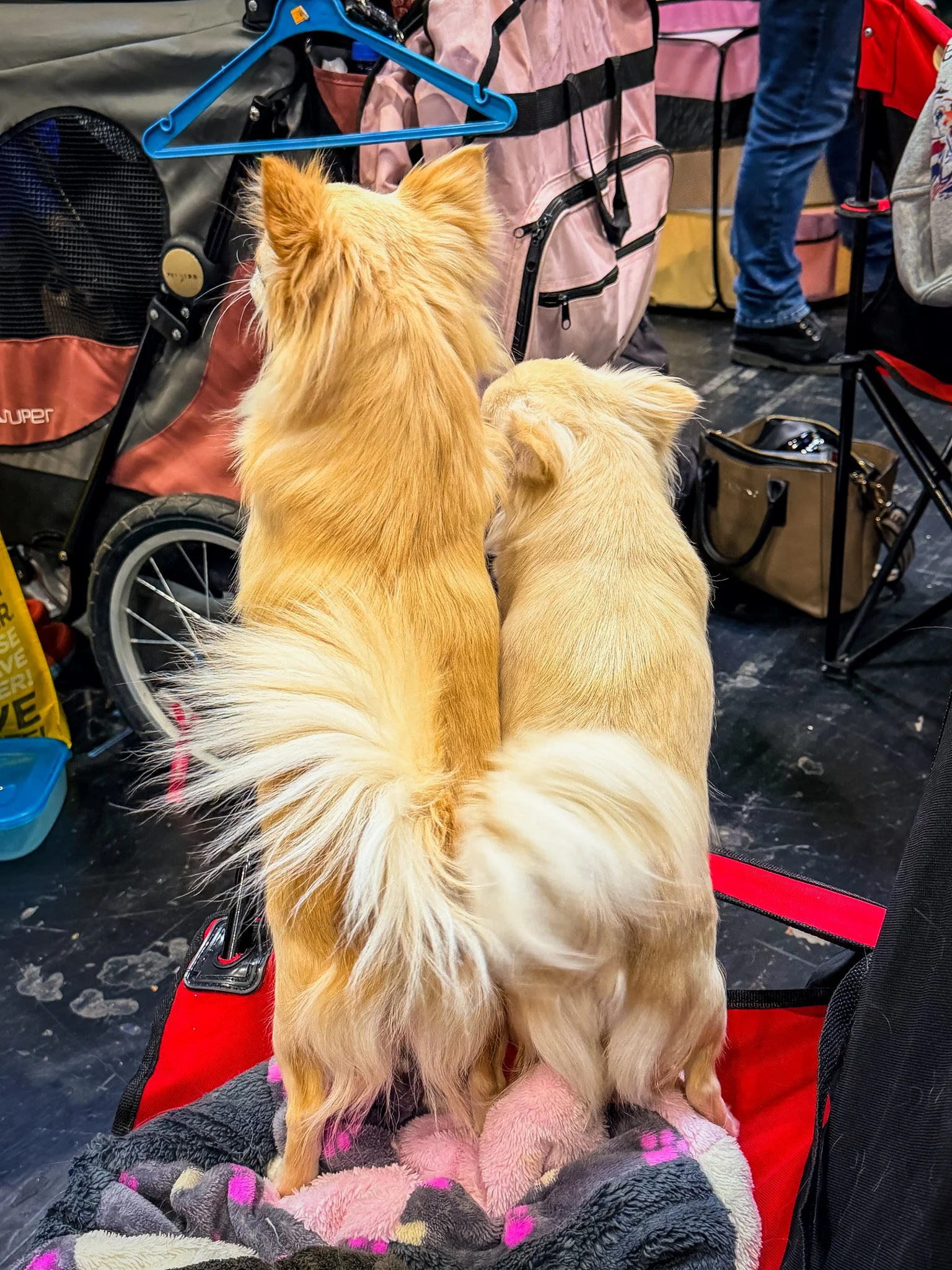
Different Dogs. Herding dogs like Border Collie, Old English Sheepdog and various regional shepherd dogs were bred for managing livestock. Guarding dogs like the Mastiff was bread for protecting livestock and its territorial instincts. Scent hounds, pointers and retrievers were specialised for locating, pointing, flushing or fetching game. In Arctic and alpine regions, breeds such as the Siberian Husky and Alaskan Malamute were indispensable for transport and hauling.
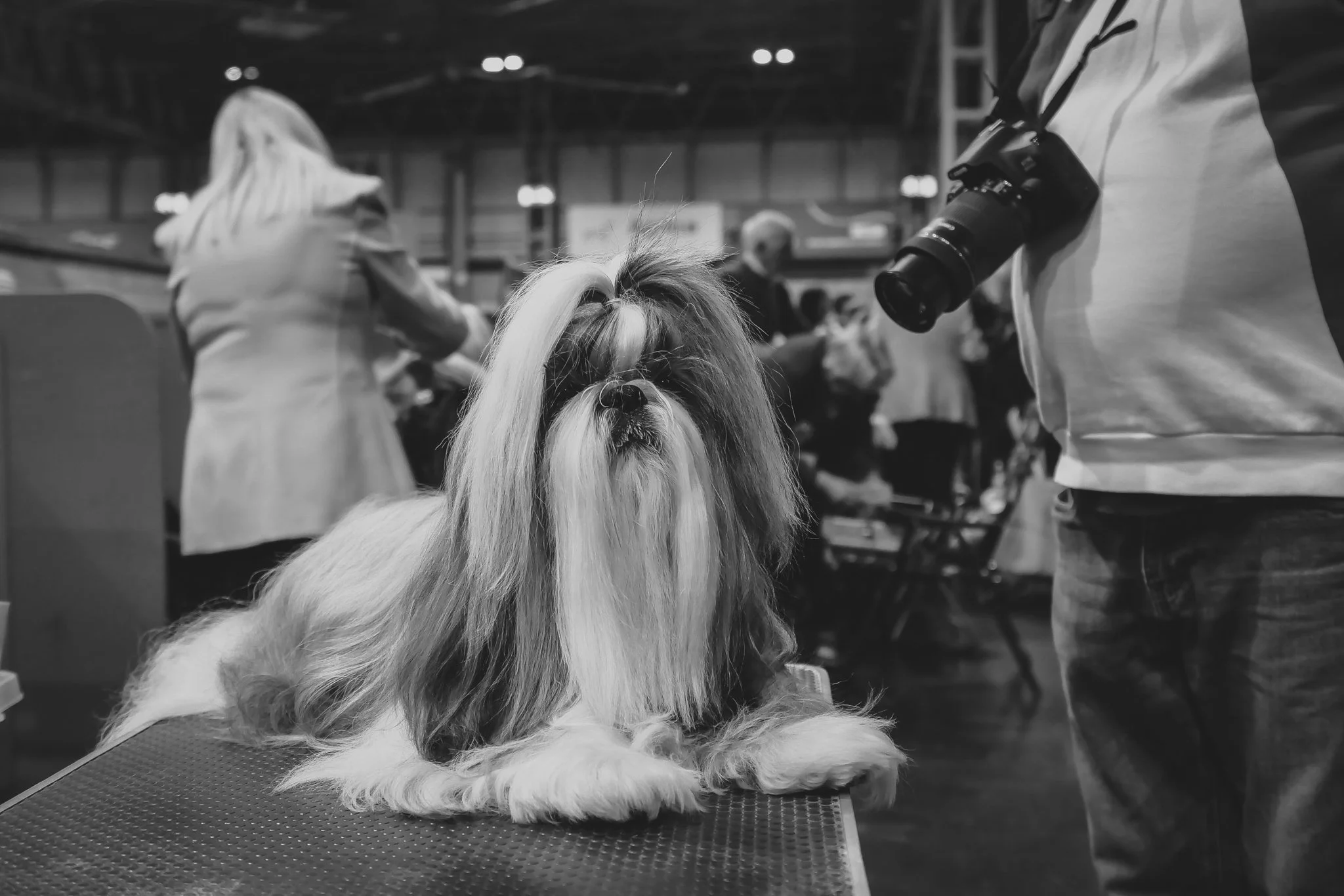
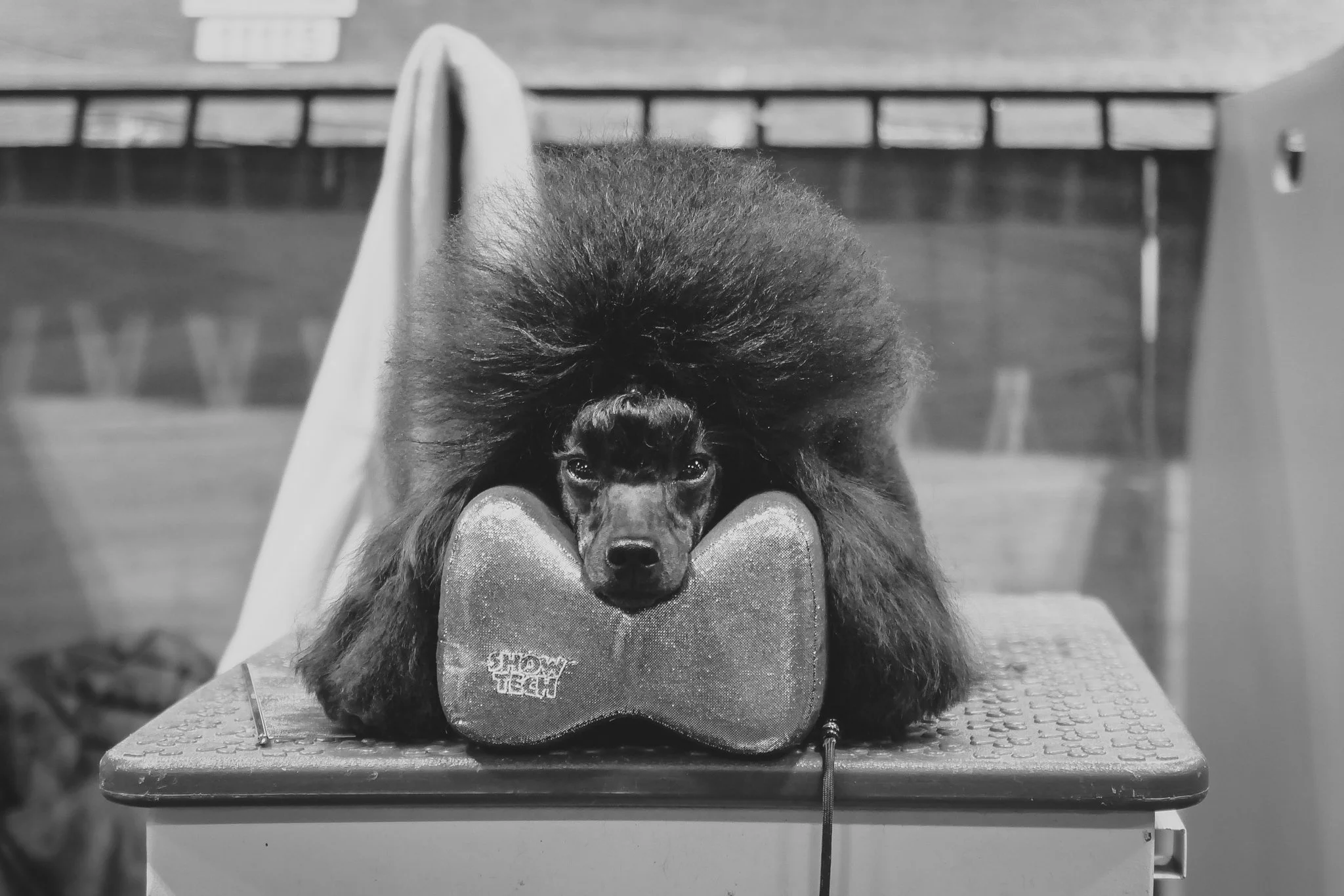
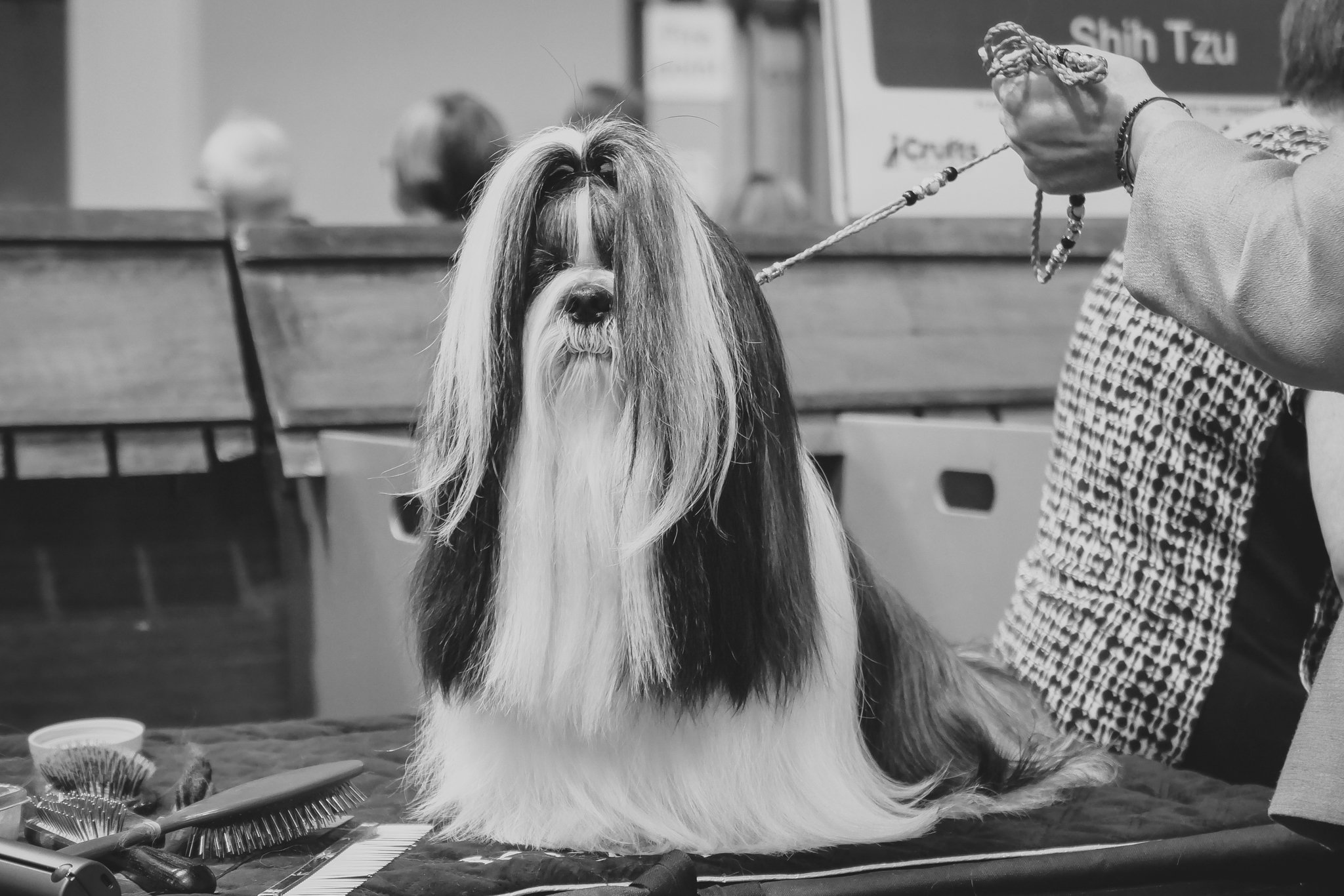
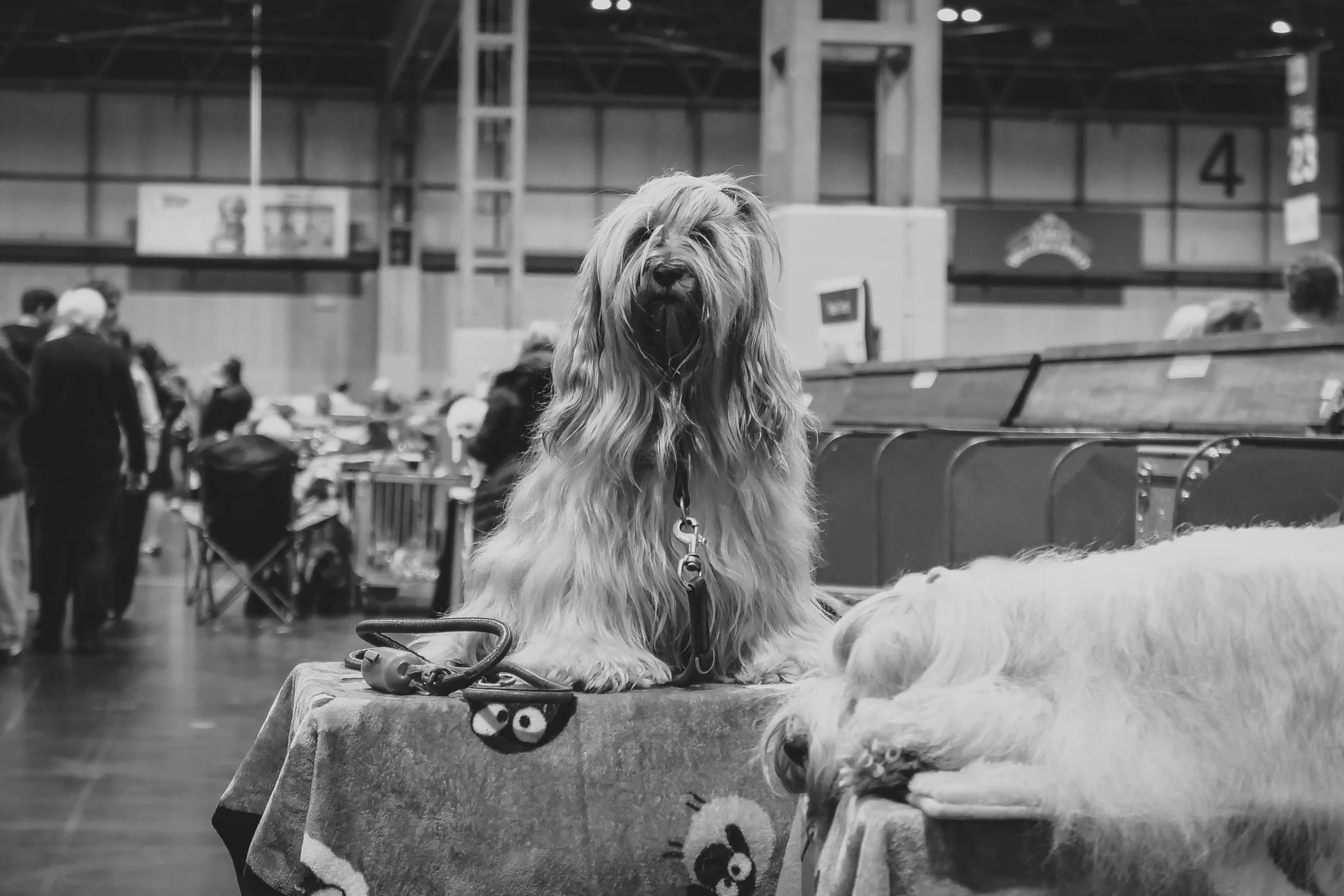
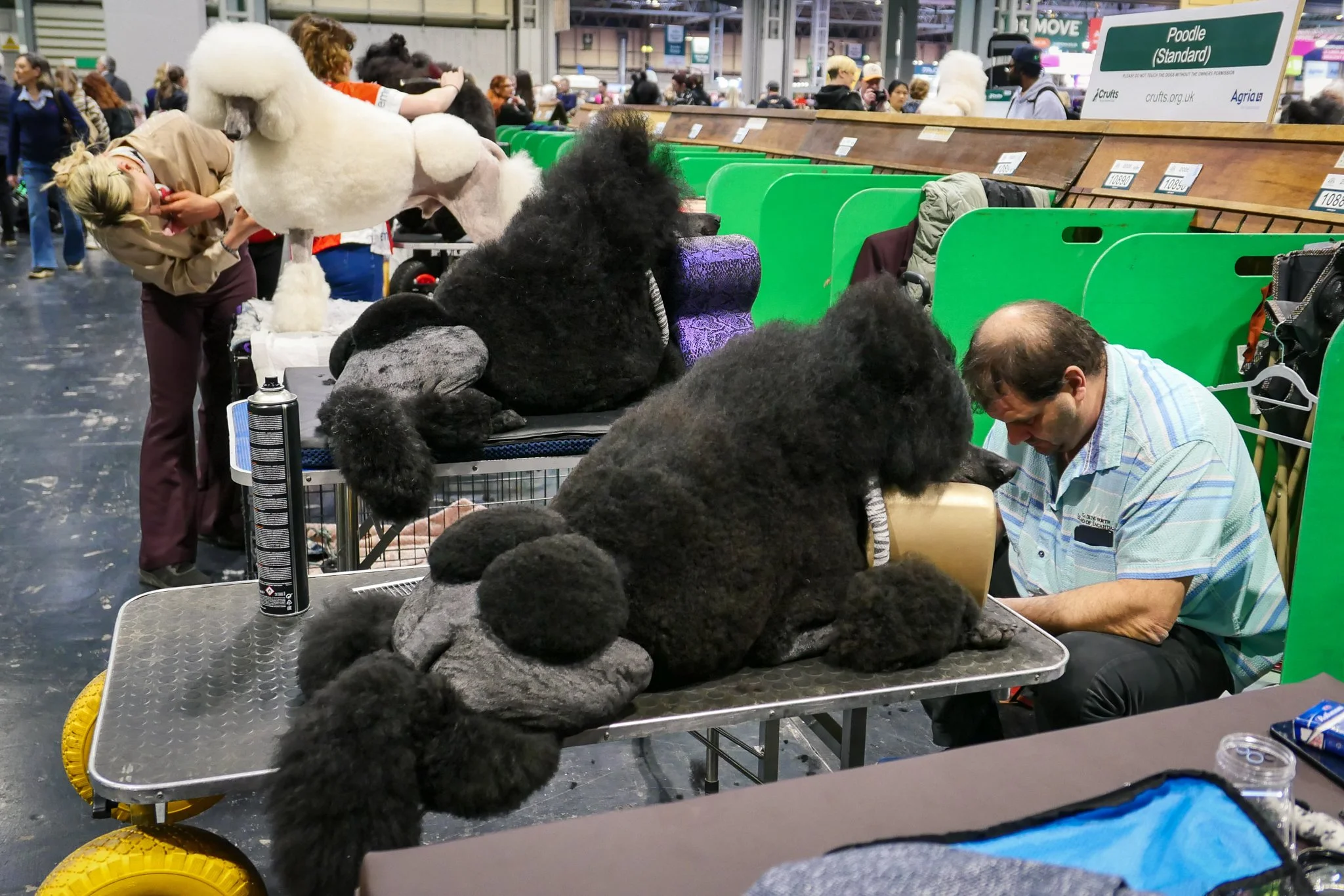
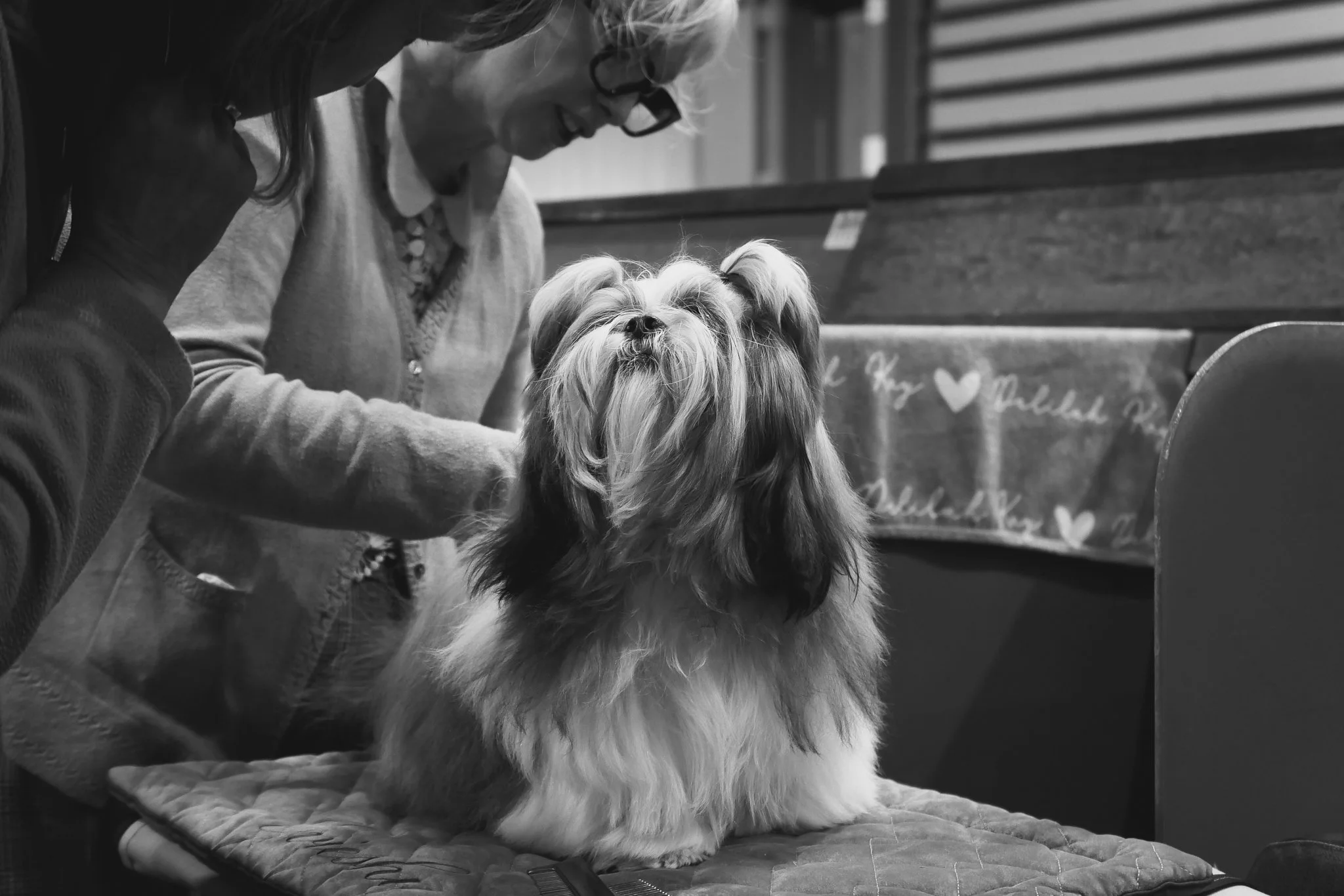
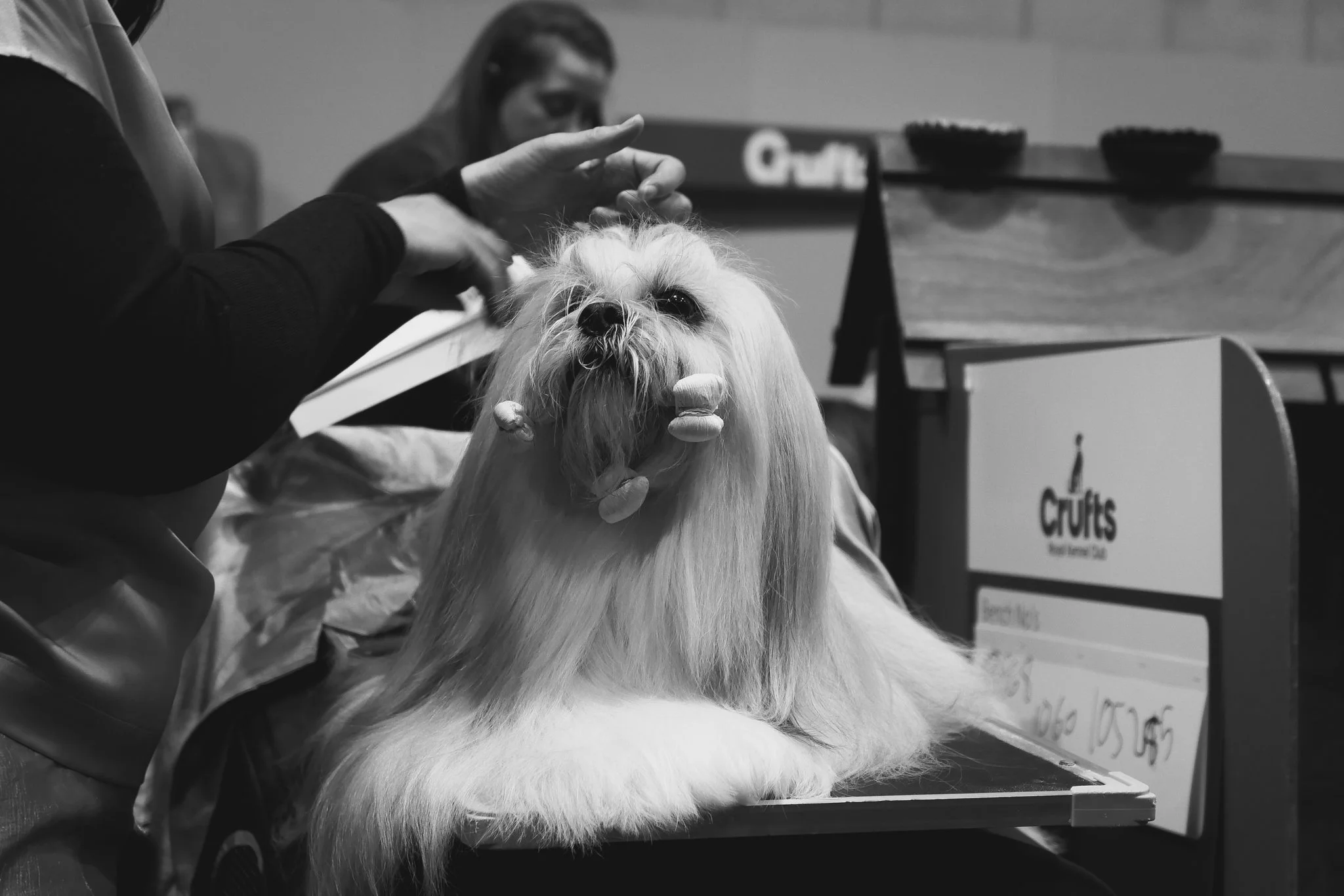
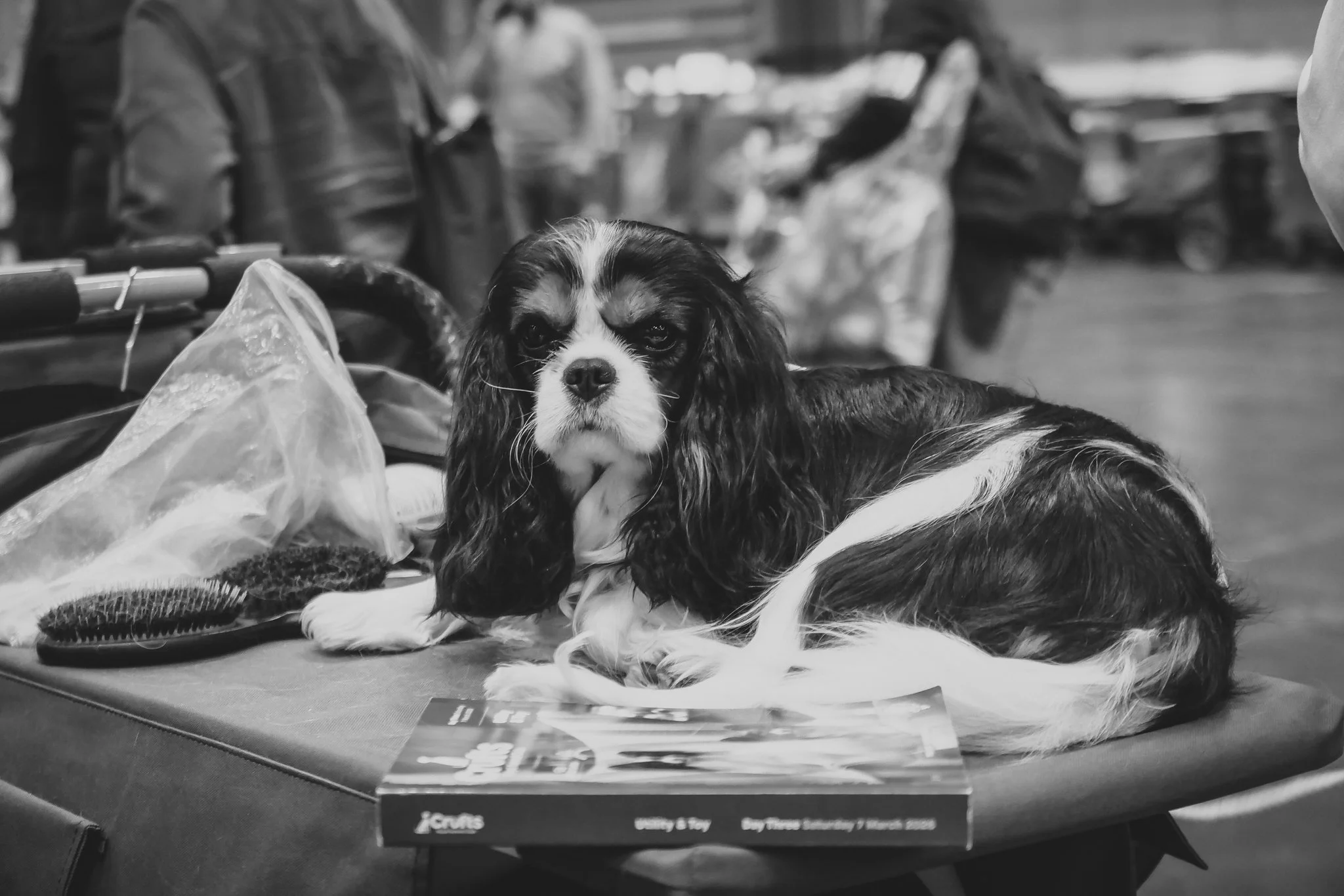
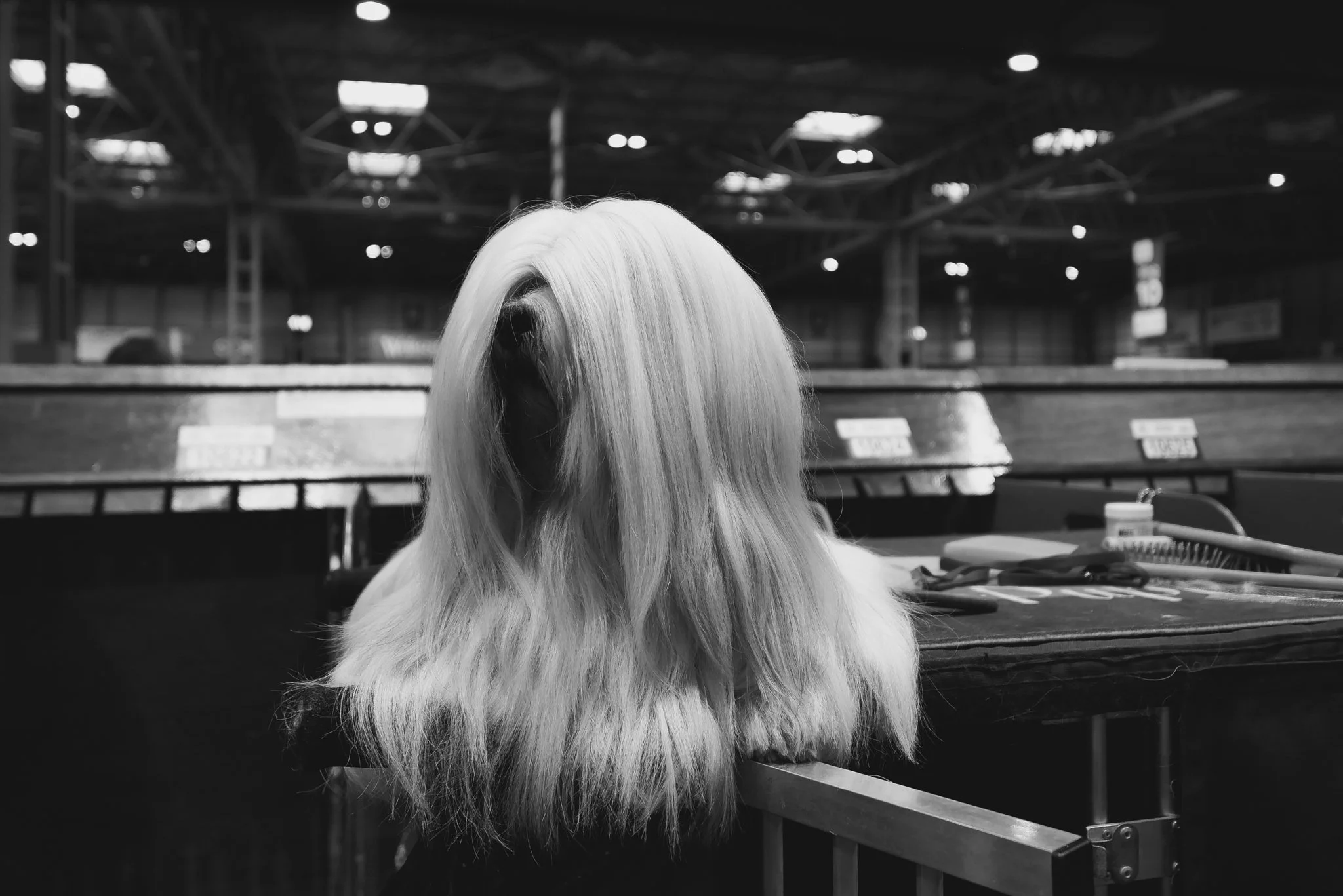
From the 19th century, formal breed standards codified appearance and temperament for both toy and utility breeds, sometimes prioritising looks over functional traits. This had mixed effects: it preserved breeds but also introduced health and behavioural issues in some lines.
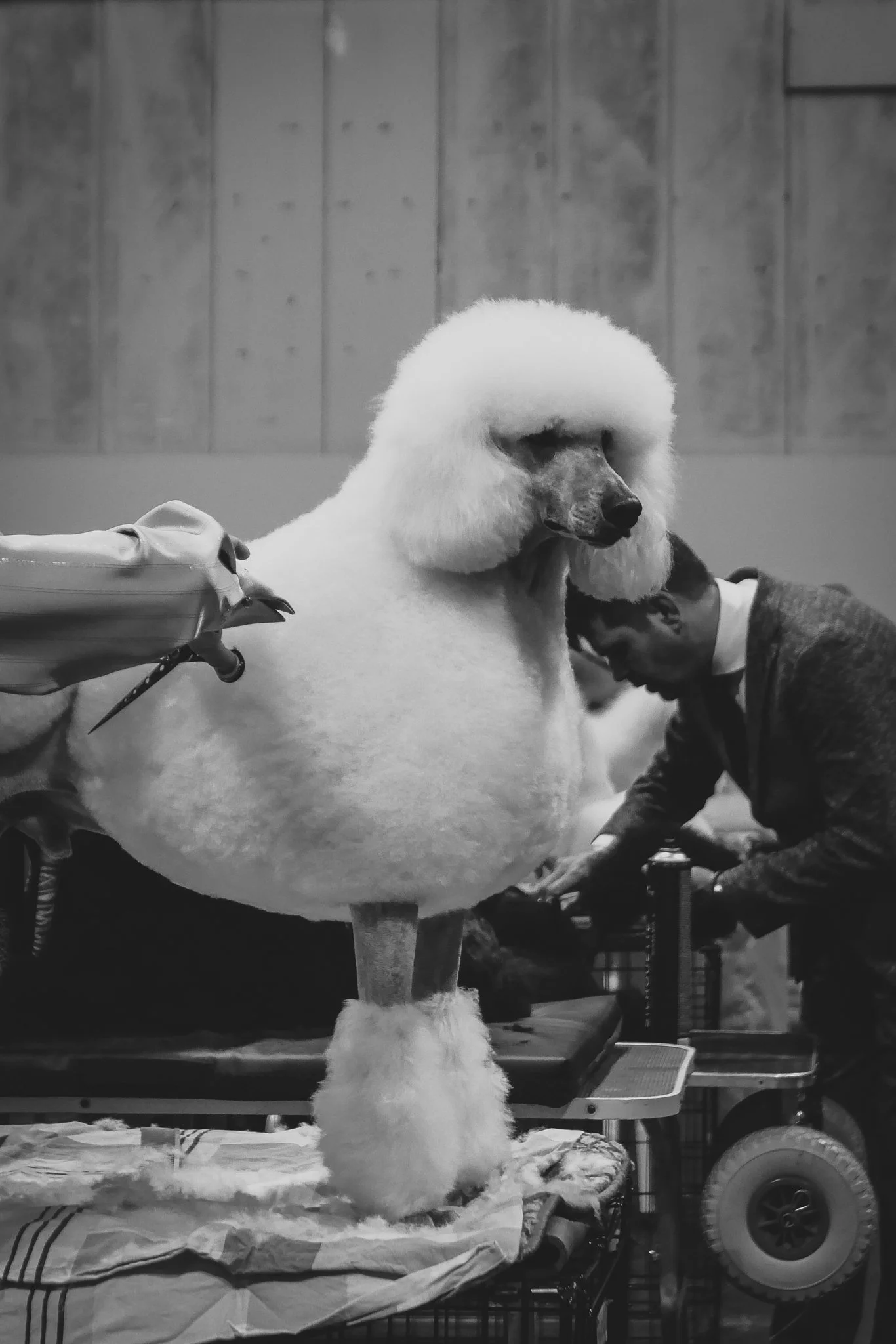
Let’s talk about it … as the Kennel Club likes to ignore things. Toy breeds such as Pugs, French Bulldogs and English Bulldogs, often referred to collectively as brachycephalic or “flat-faced” breeds, have several breed-specific health problems. Brachycephalic Obstructive Airway Syndrome (BOAS) - narrowed nostrils, elongated soft palate, hypoplastic trachea and other airway conformational issues cause noisy breathing, snorting, gagging, exercise intolerance and heat sensitivity. Severe cases require surgical correction. Those dogs are heat sensitivity and risk of heatstroke. Skin issues, deep facial and body skin folds leading to inflammation, infection and skin allergies are common. Prominent eyes and shallow sockets increase risk of injury, drying and ulcers. Abnormal eyelid conformation can irritate the eye and require surgical correction. Brachycephalic body shape can make natural birth difficult; many bitches require caesarean section. Toy dogs are amazing and can be healthy and happy dogs, if breed correctly. Sadly there are lots of breeders who care more about money and winning as the dogs health.
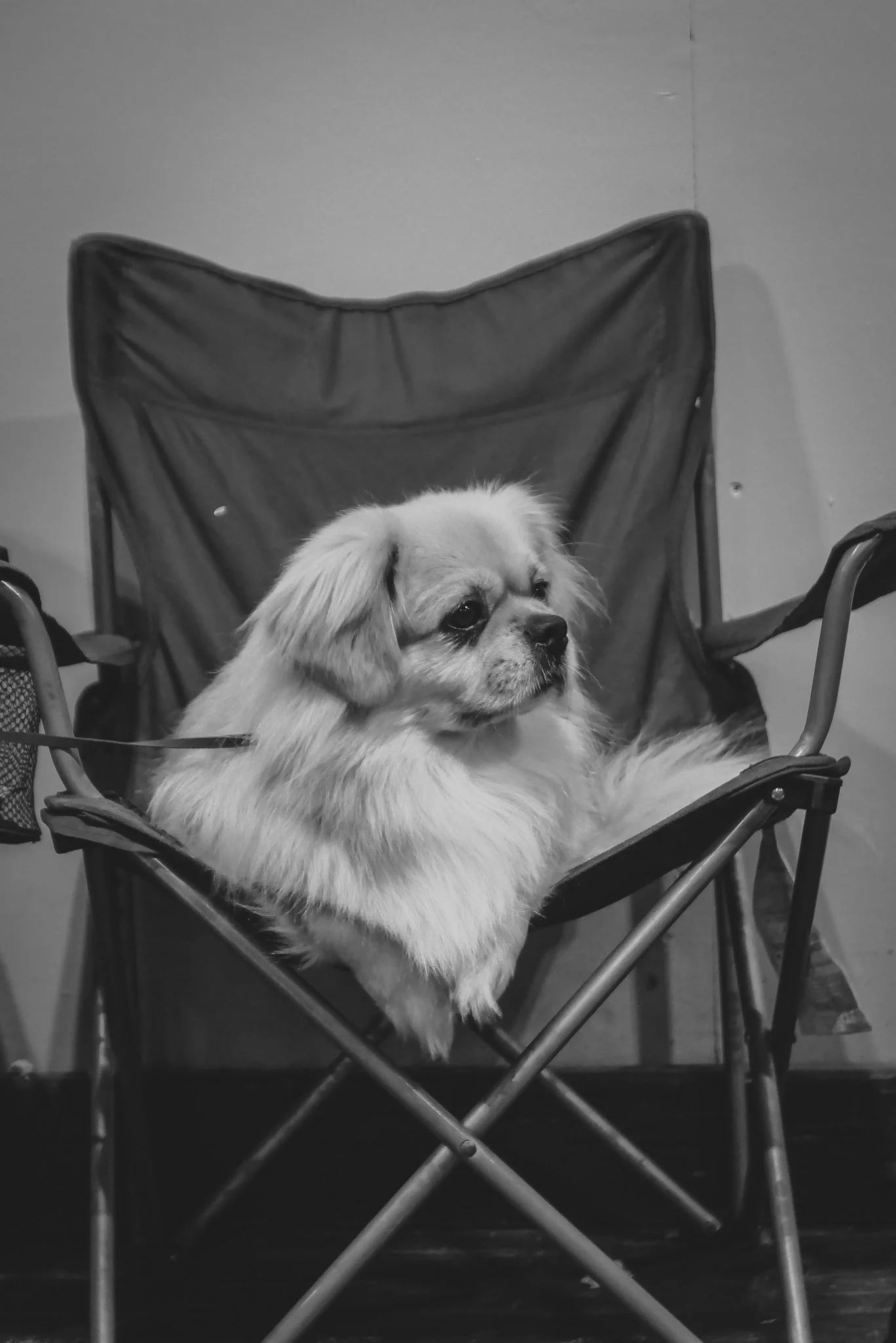
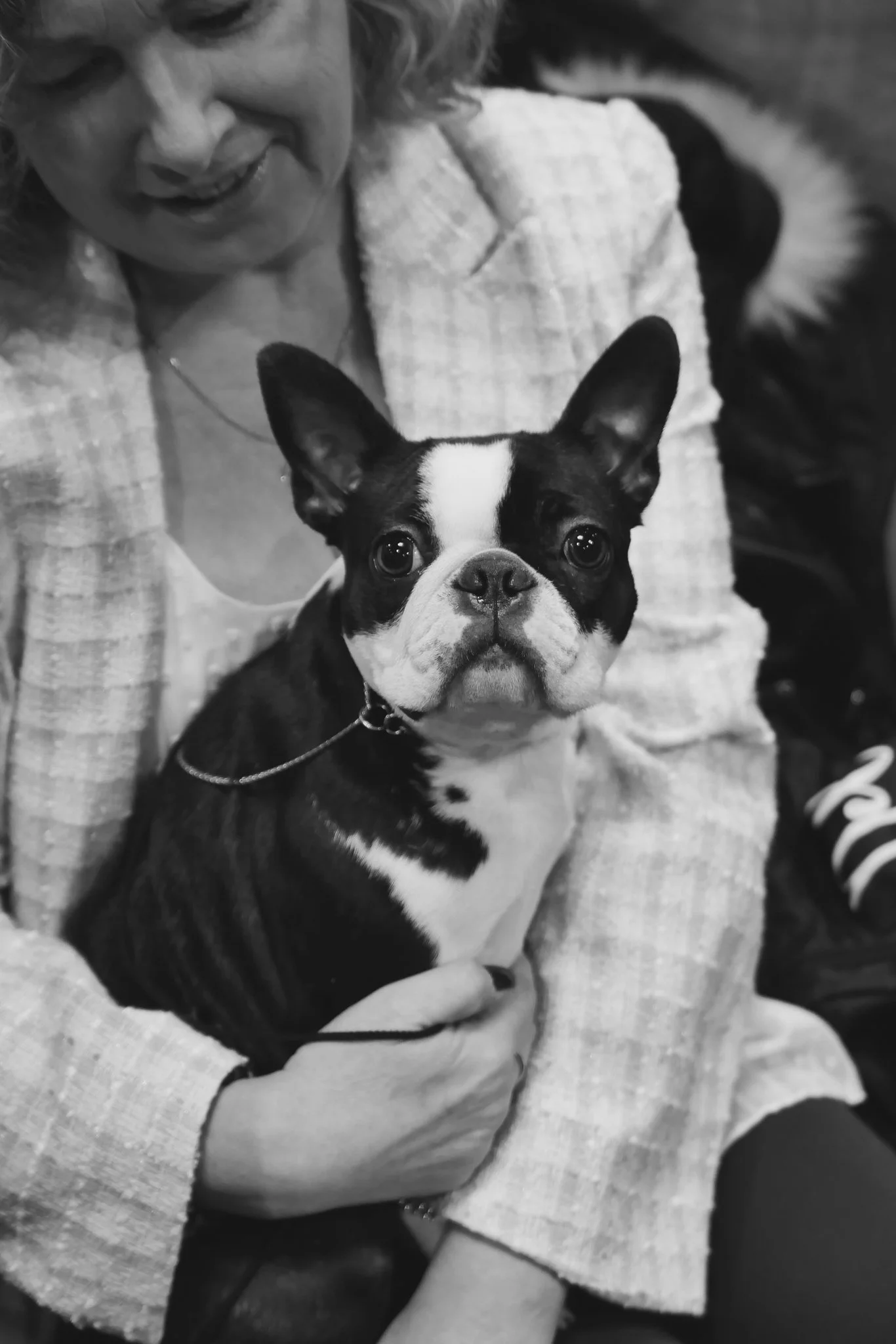
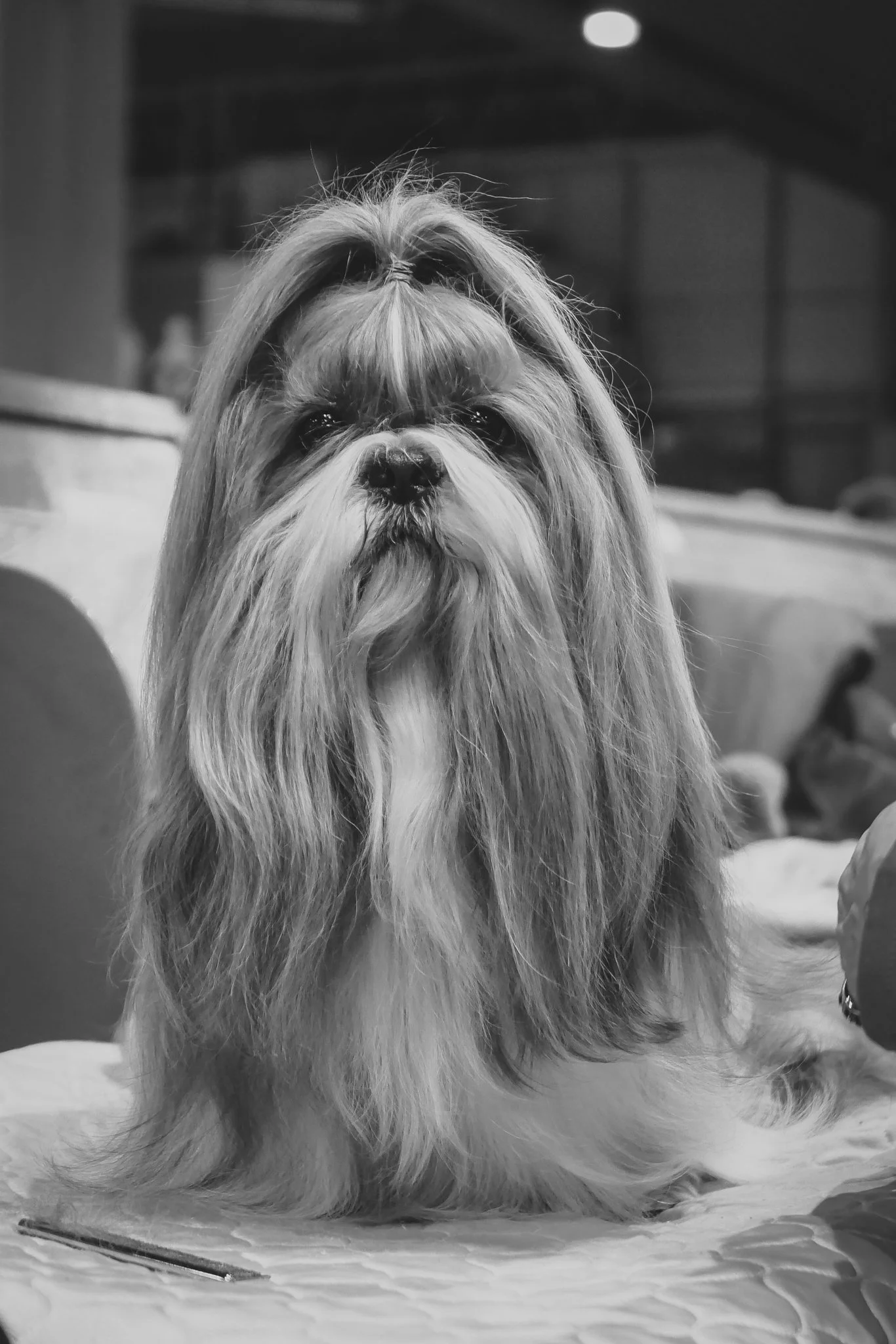
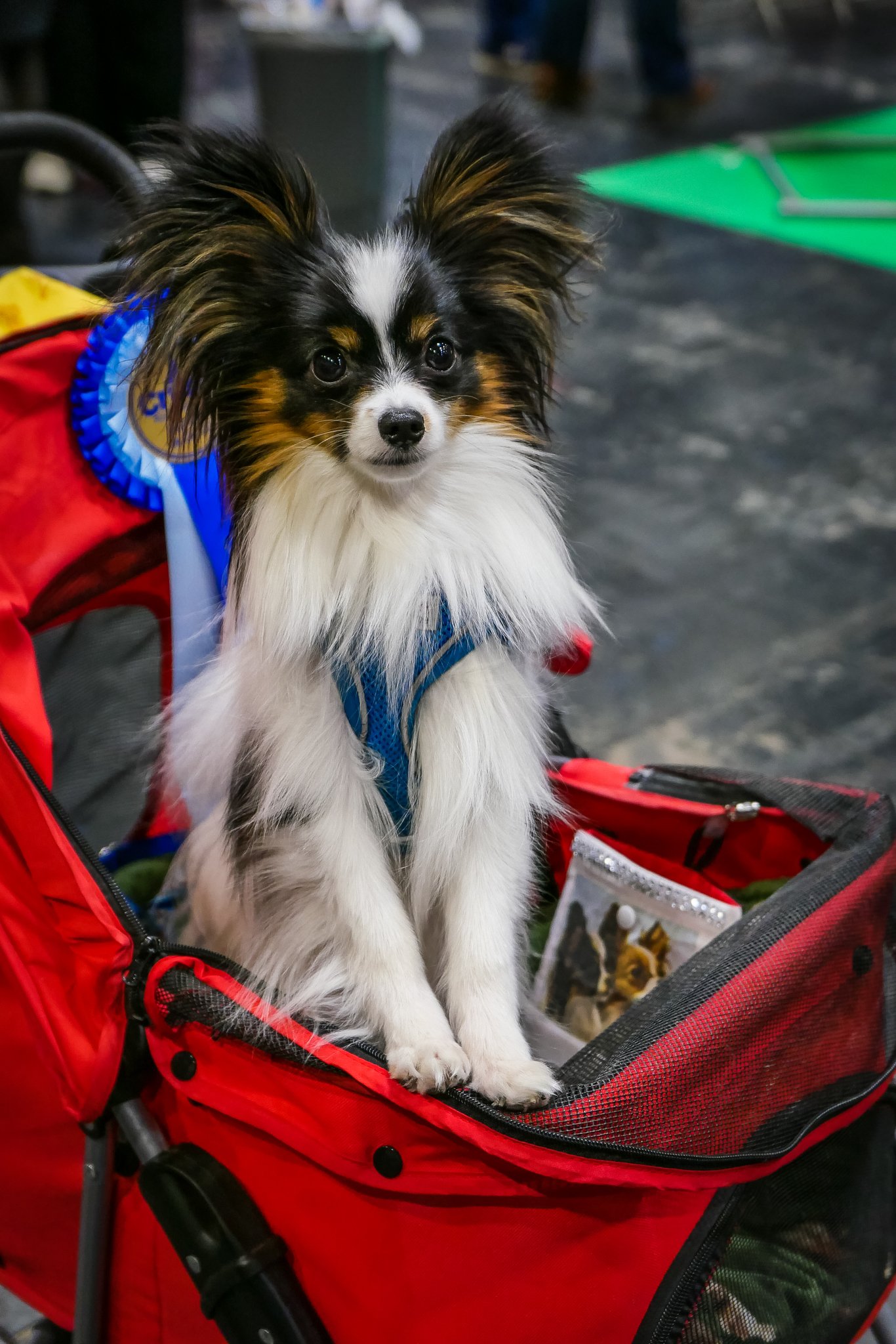
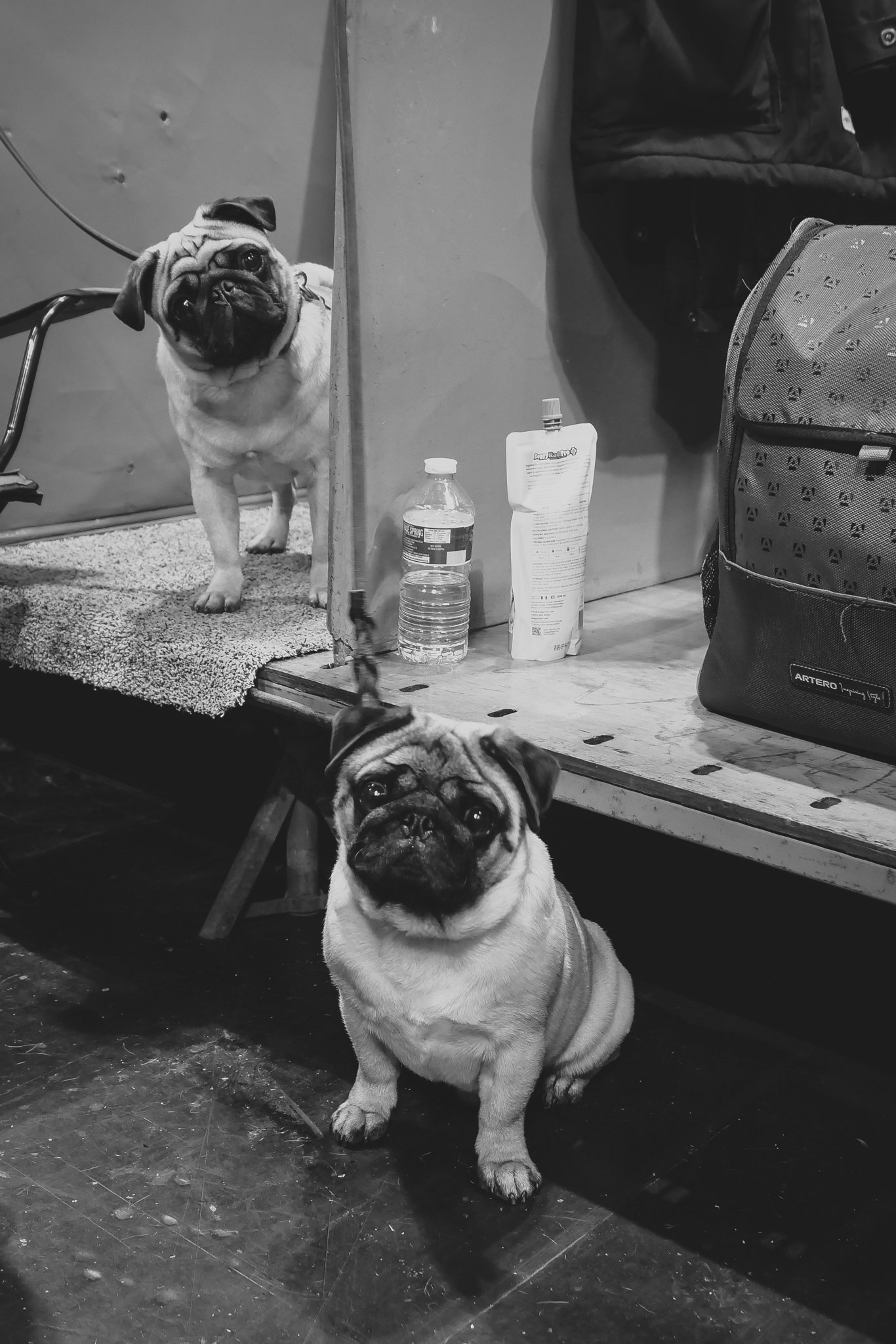

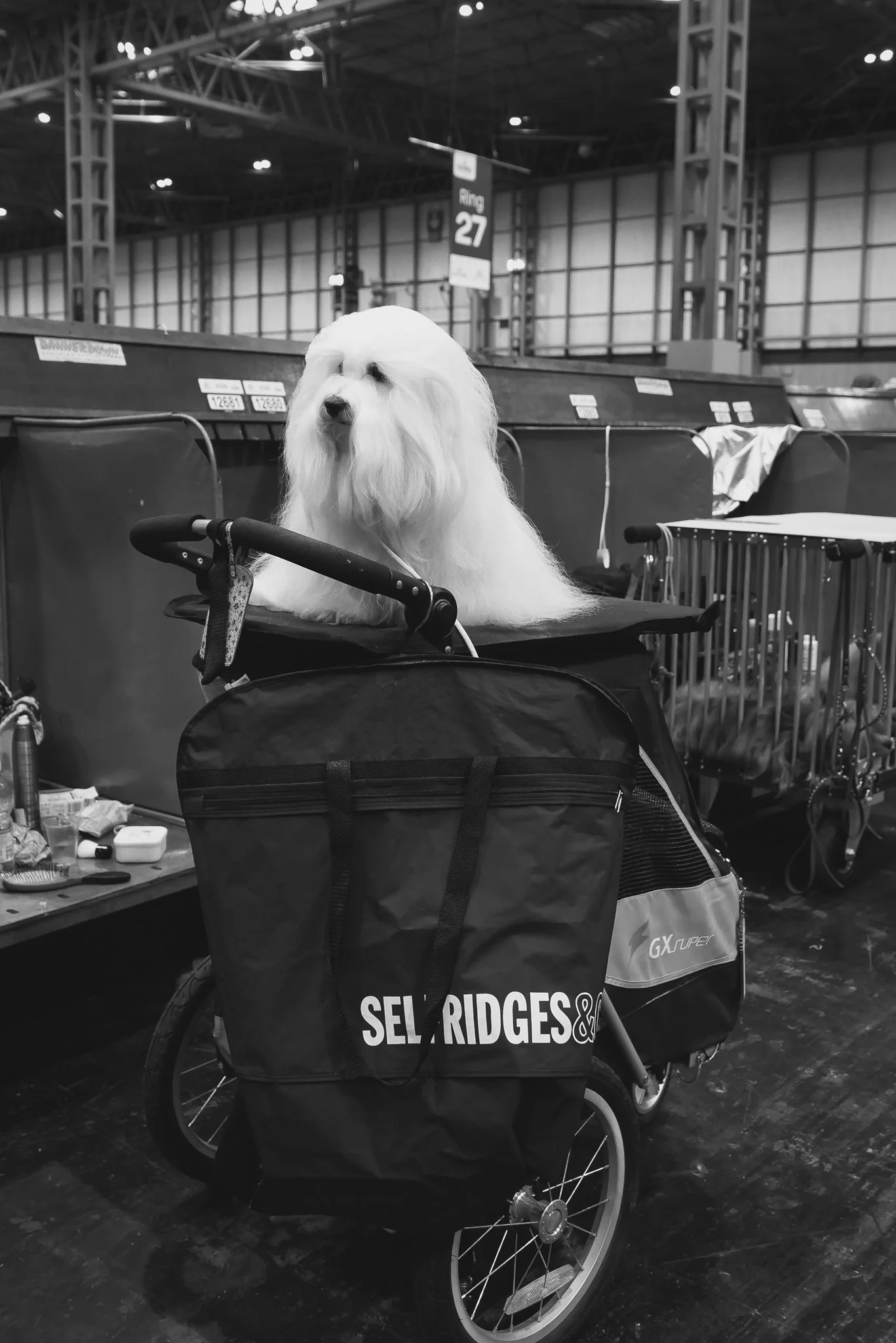
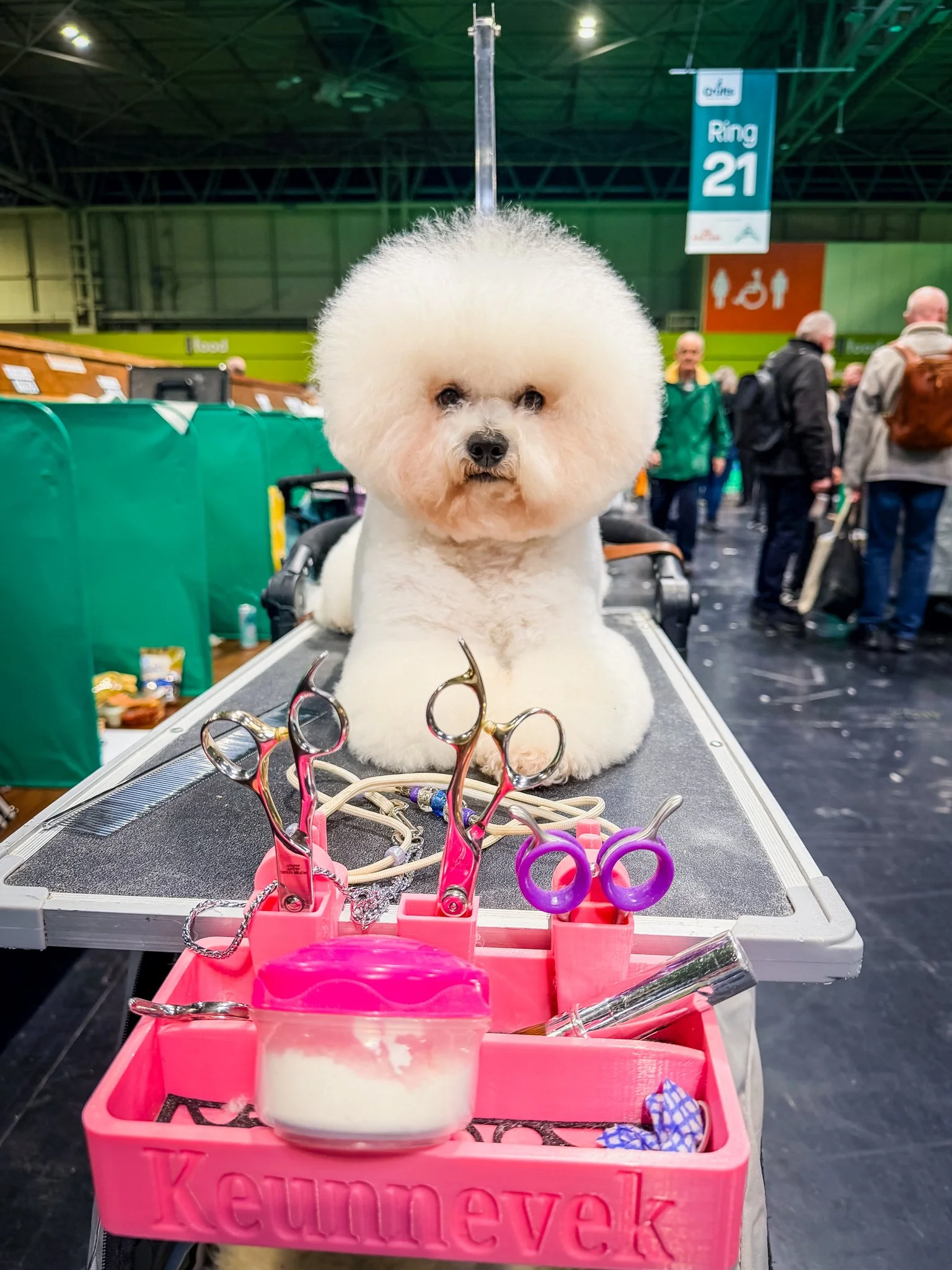
It’s all fun unless … Crufts winners have been the centre of controversy at various times, primarily over concerns about health, breeding practices and judging decisions. Judges sometimes reward dogs whose appearance reflects exaggerated breed standards (for example, extremely flat faces in brachycephalic breeds, overly heavy coats, or exaggerated body proportions). Critics argue this incentivises breeding that prioritises appearance over health, leading to respiratory, skin, joint and eye problems. Some Crufts winners belong to lines known to carry hereditary conditions (hip dysplasia, progressive retinal atrophy, heart disease, etc.). Animal welfare advocates say celebrating such dogs encourages continued propagation of harmful genes. Overall, the controversy centres on balancing tradition and breed standards with modern understanding of canine welfare. Critics argue for stronger, enforceable measures to ensure winners represent healthy, fit dogs, while supporters of the current system say change must respect breed diversity and the expertise of judges.
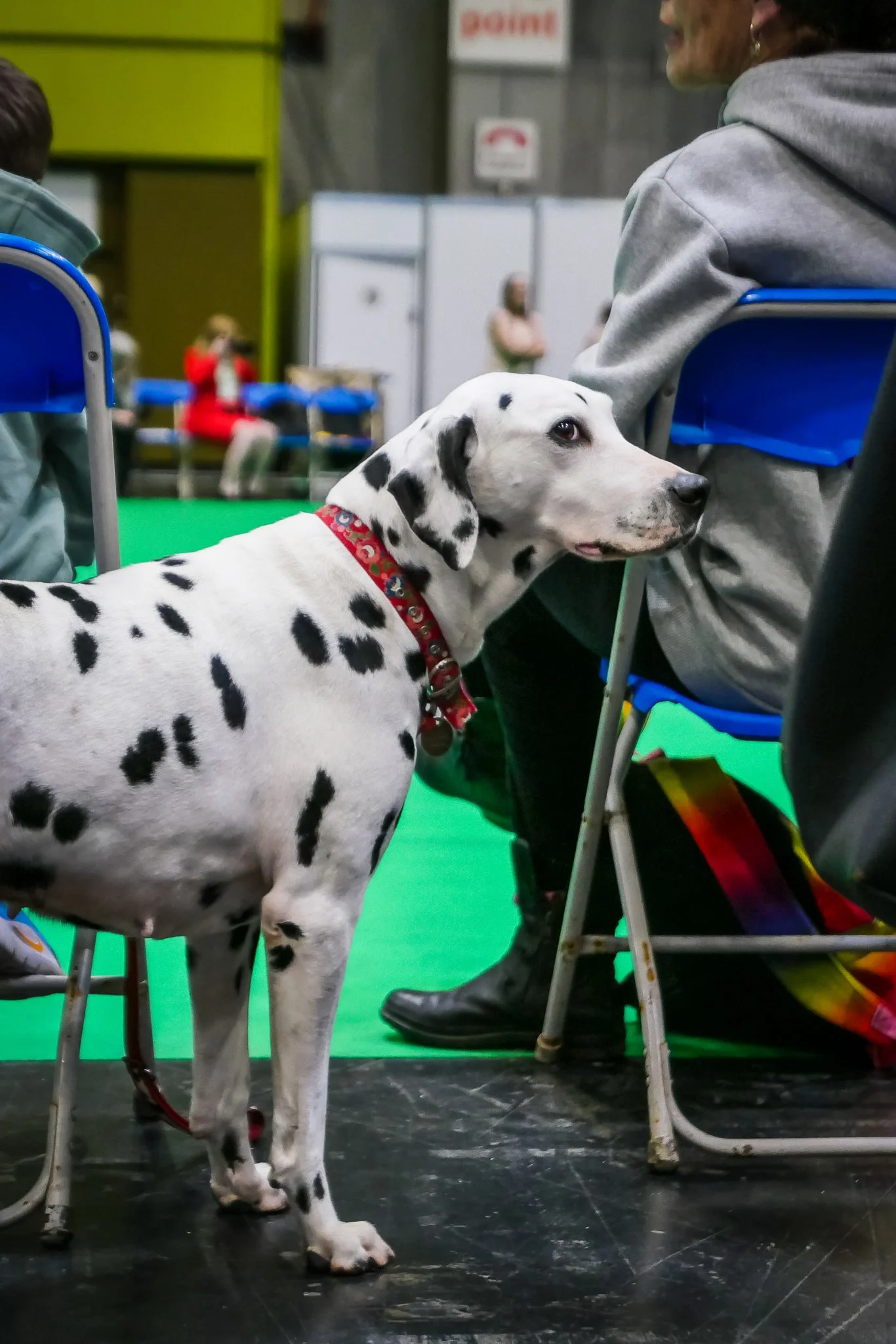
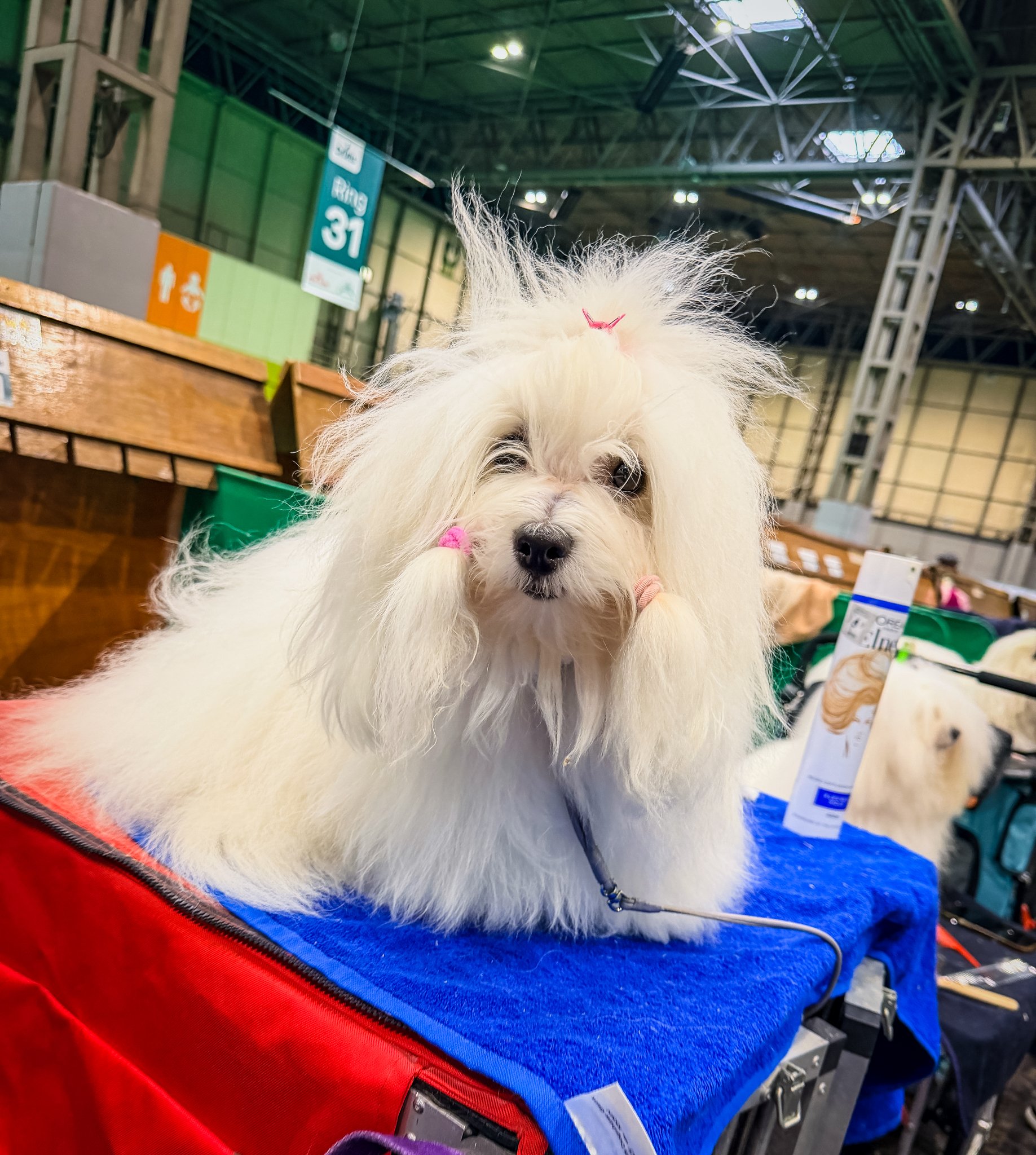
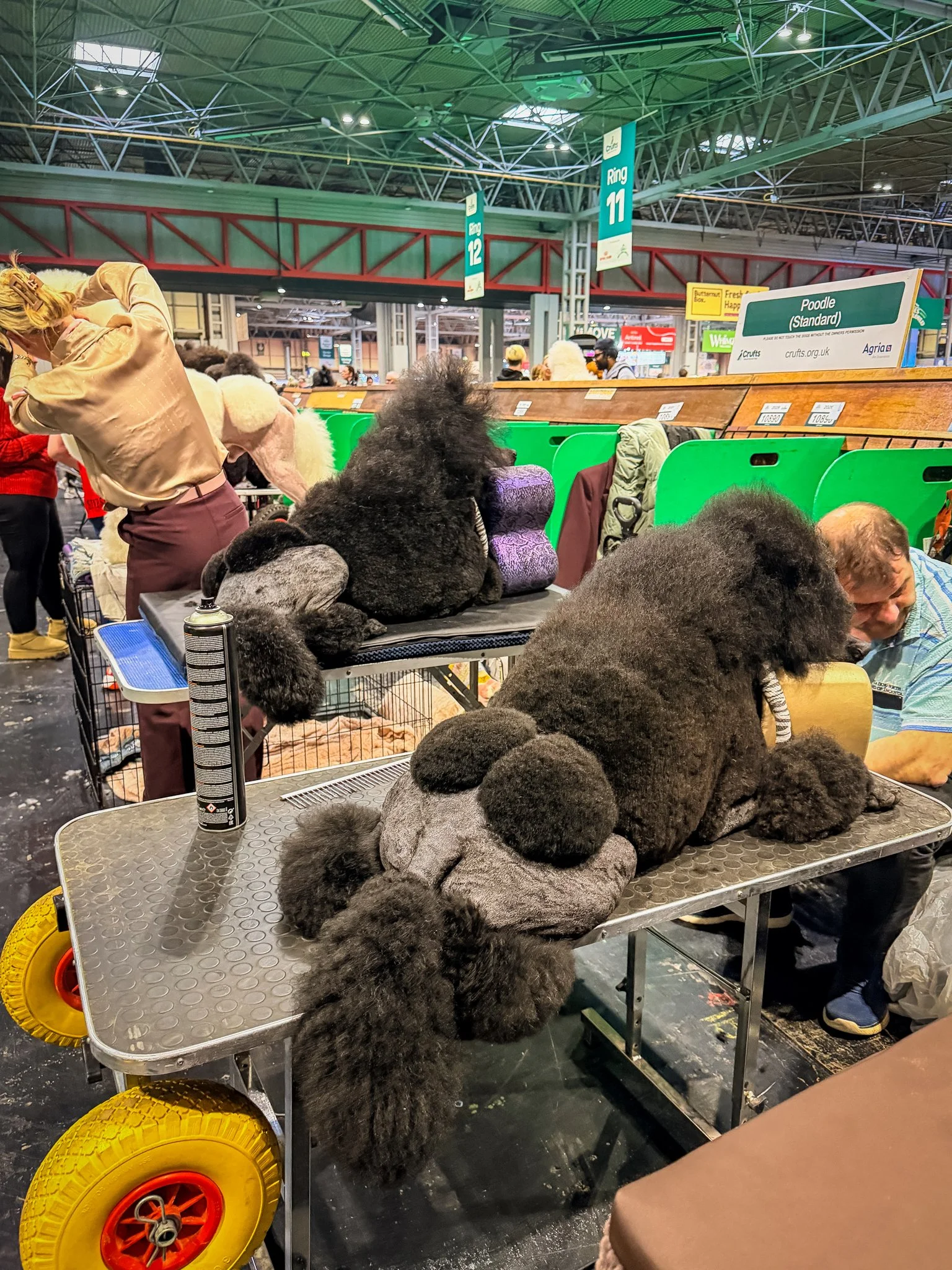
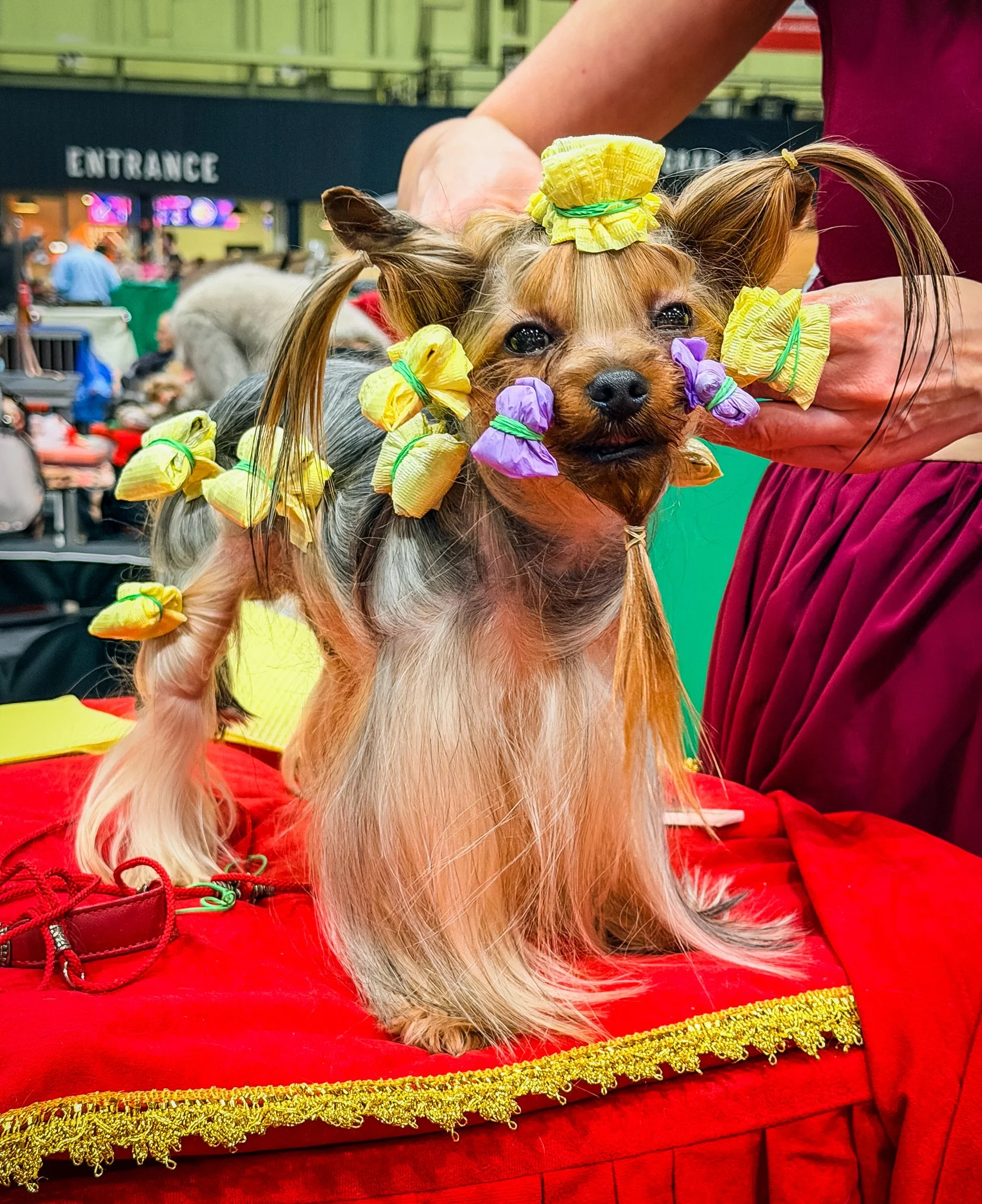
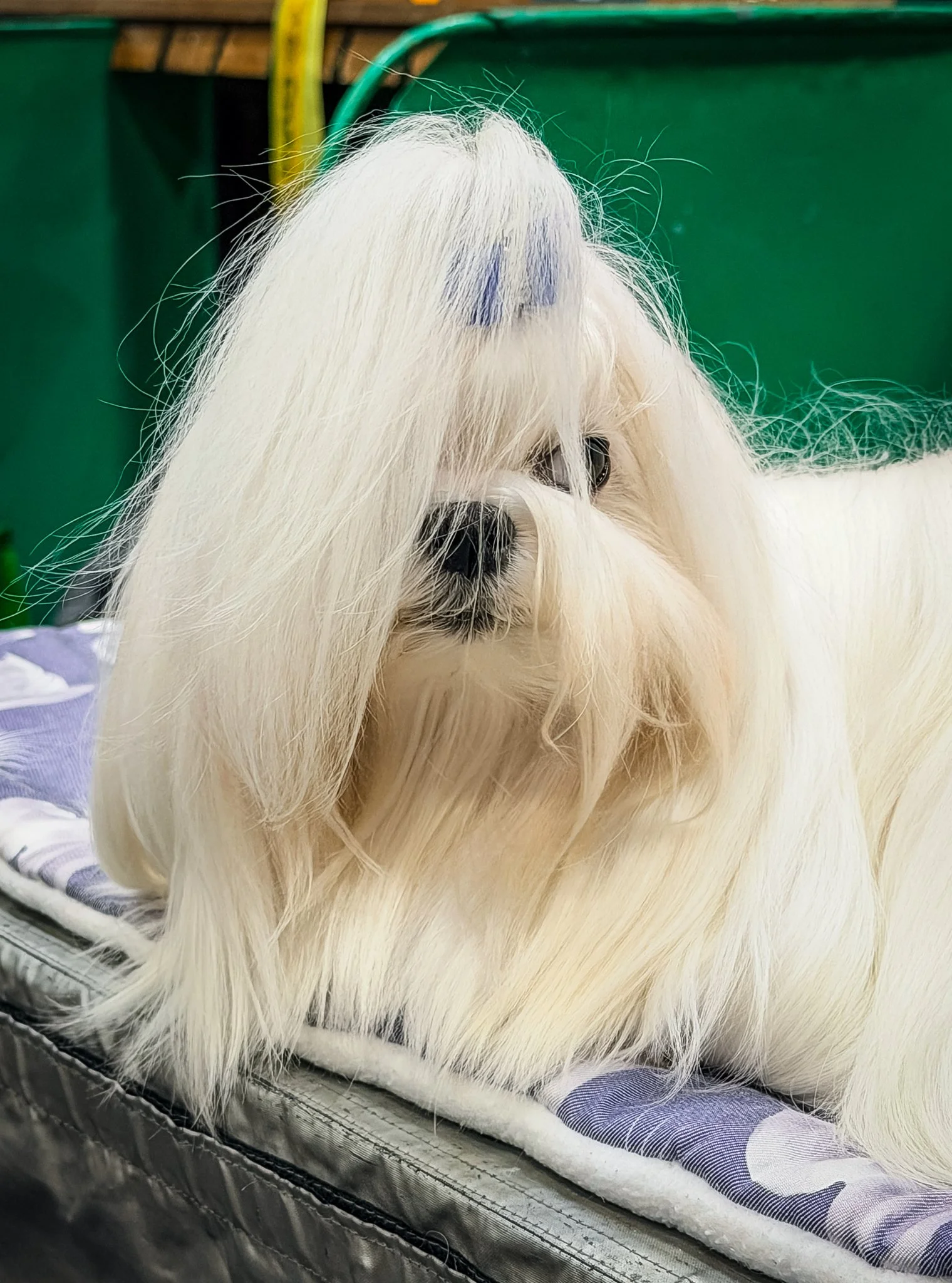
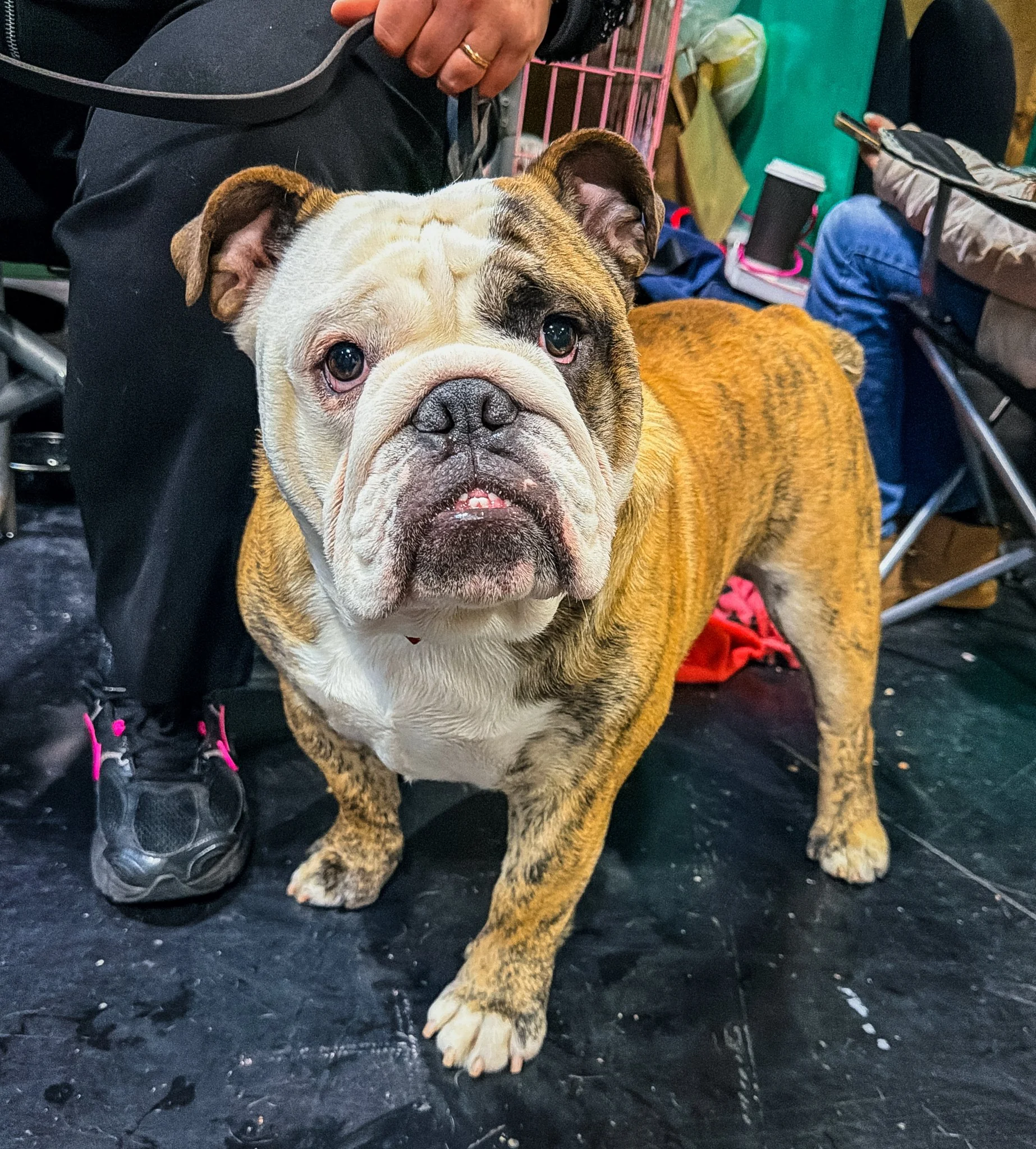
All in al, Toy Dogs are amazing, when breed and kept properly. I love those little hounds with their big character and huge personality.
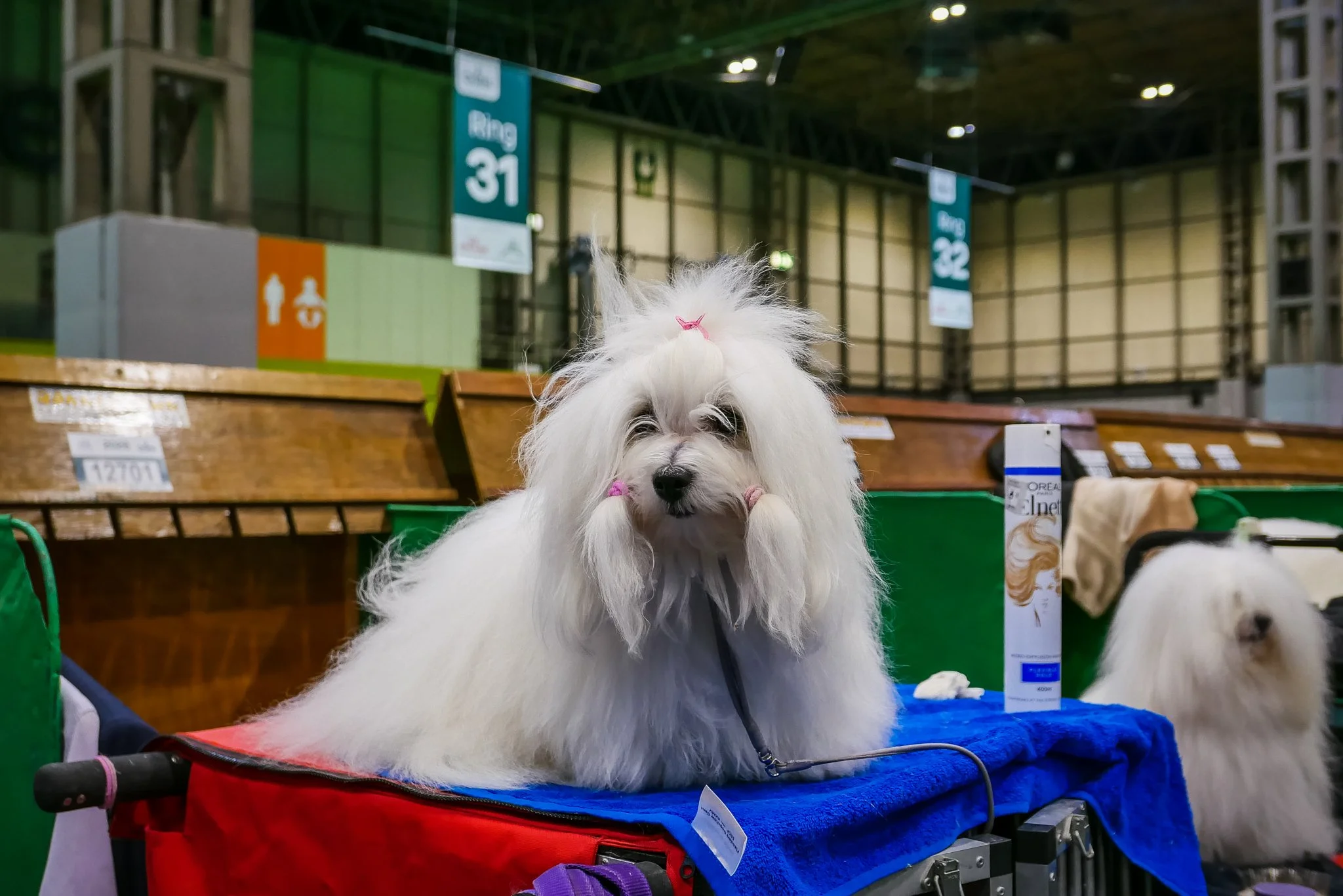
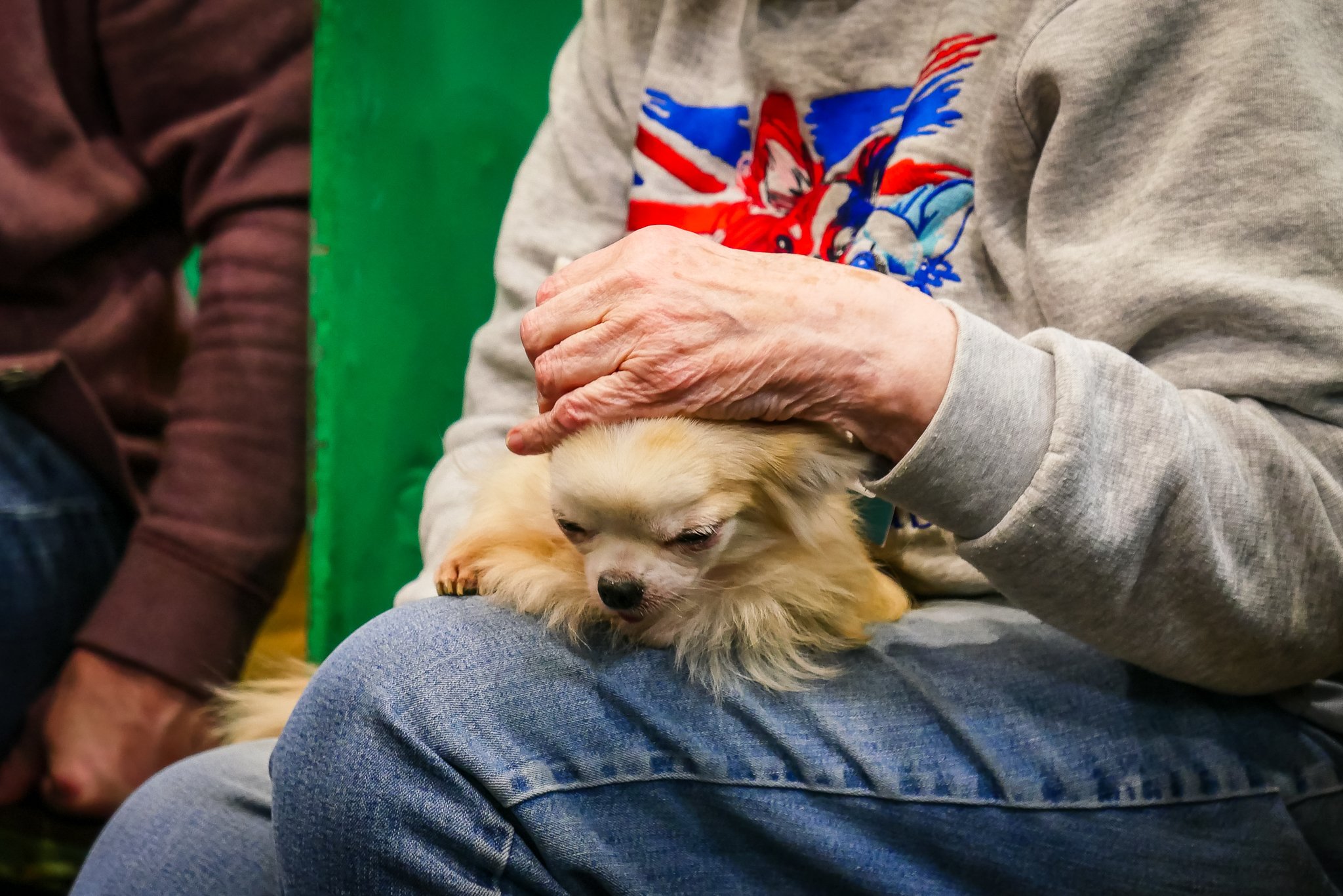
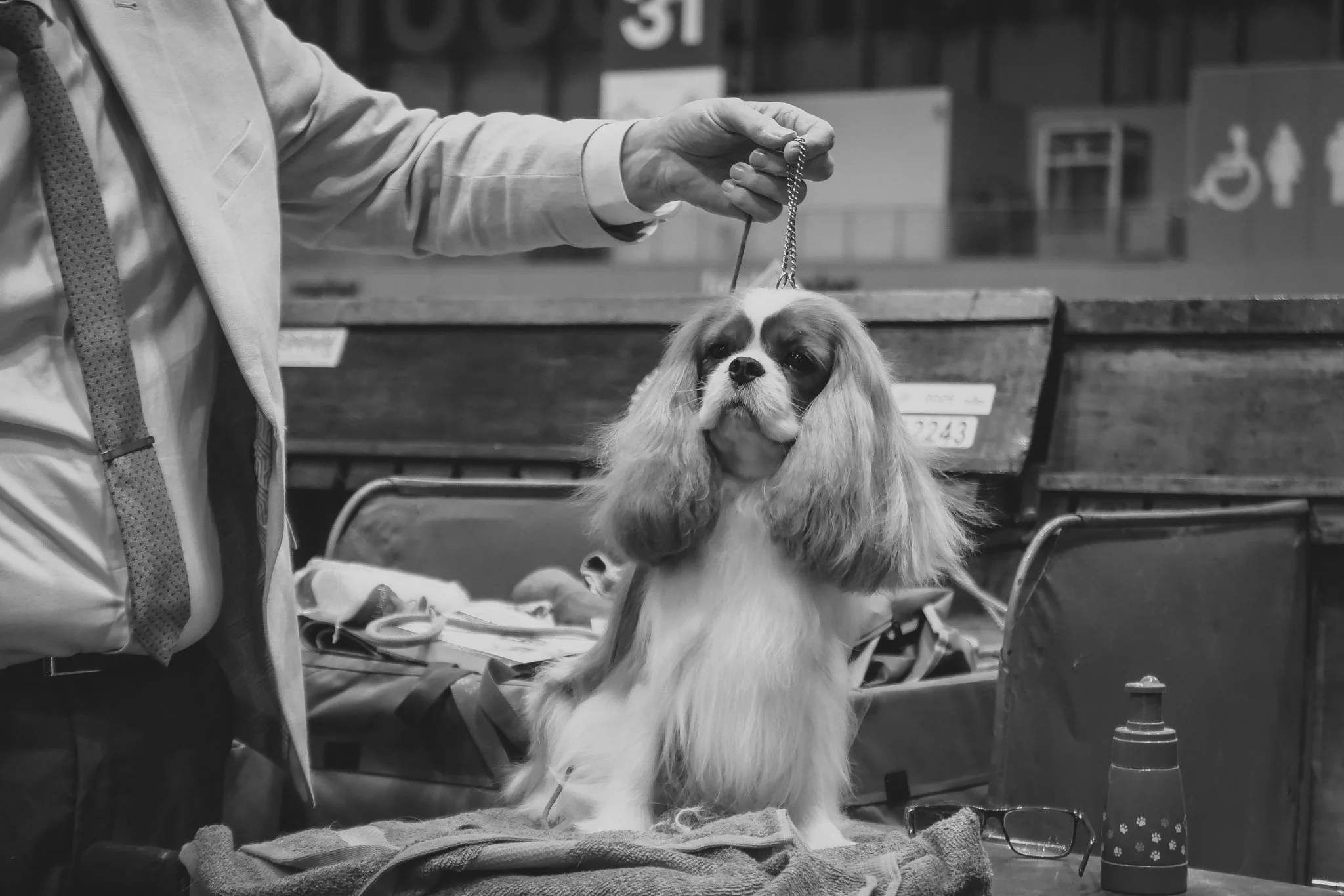
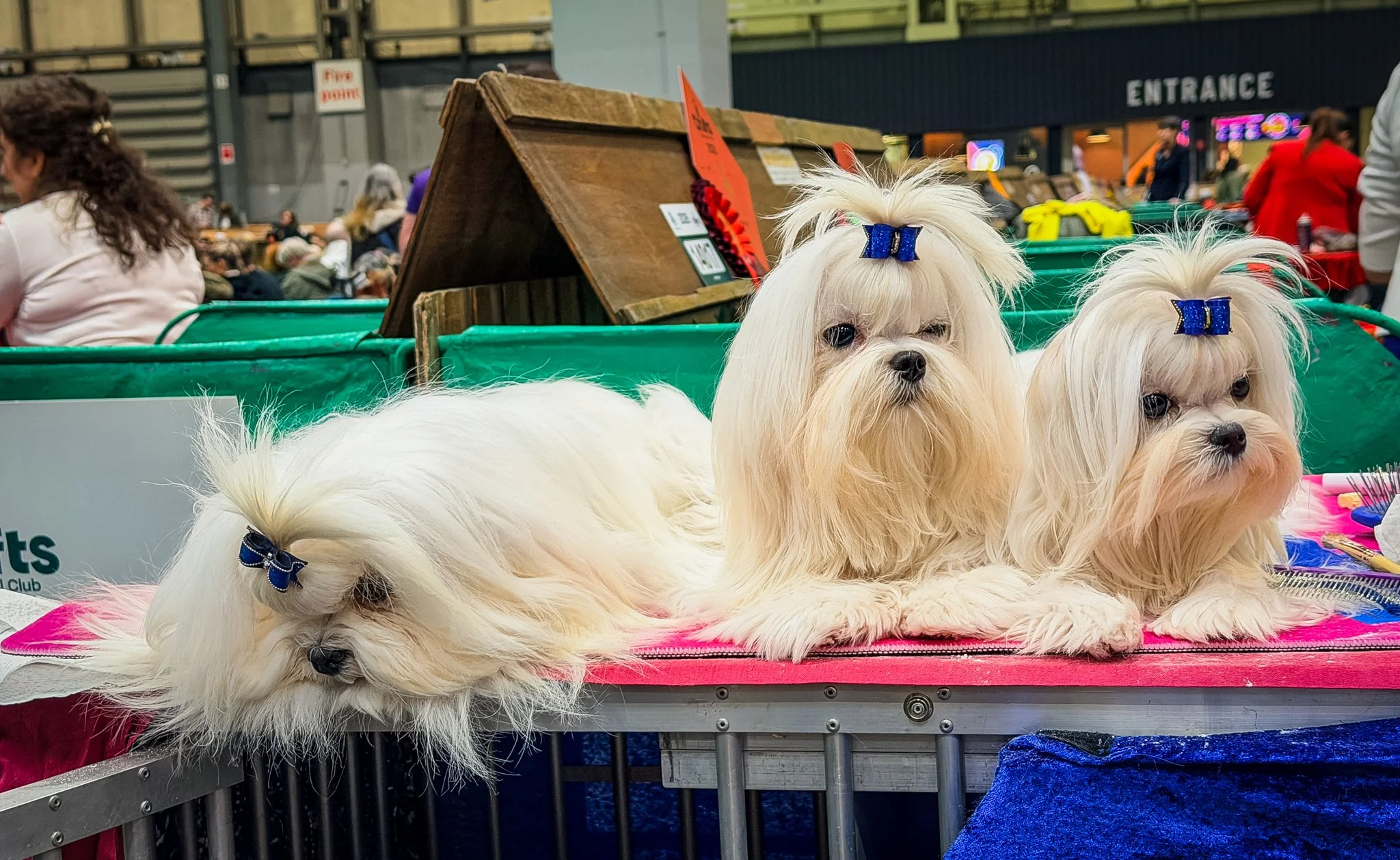
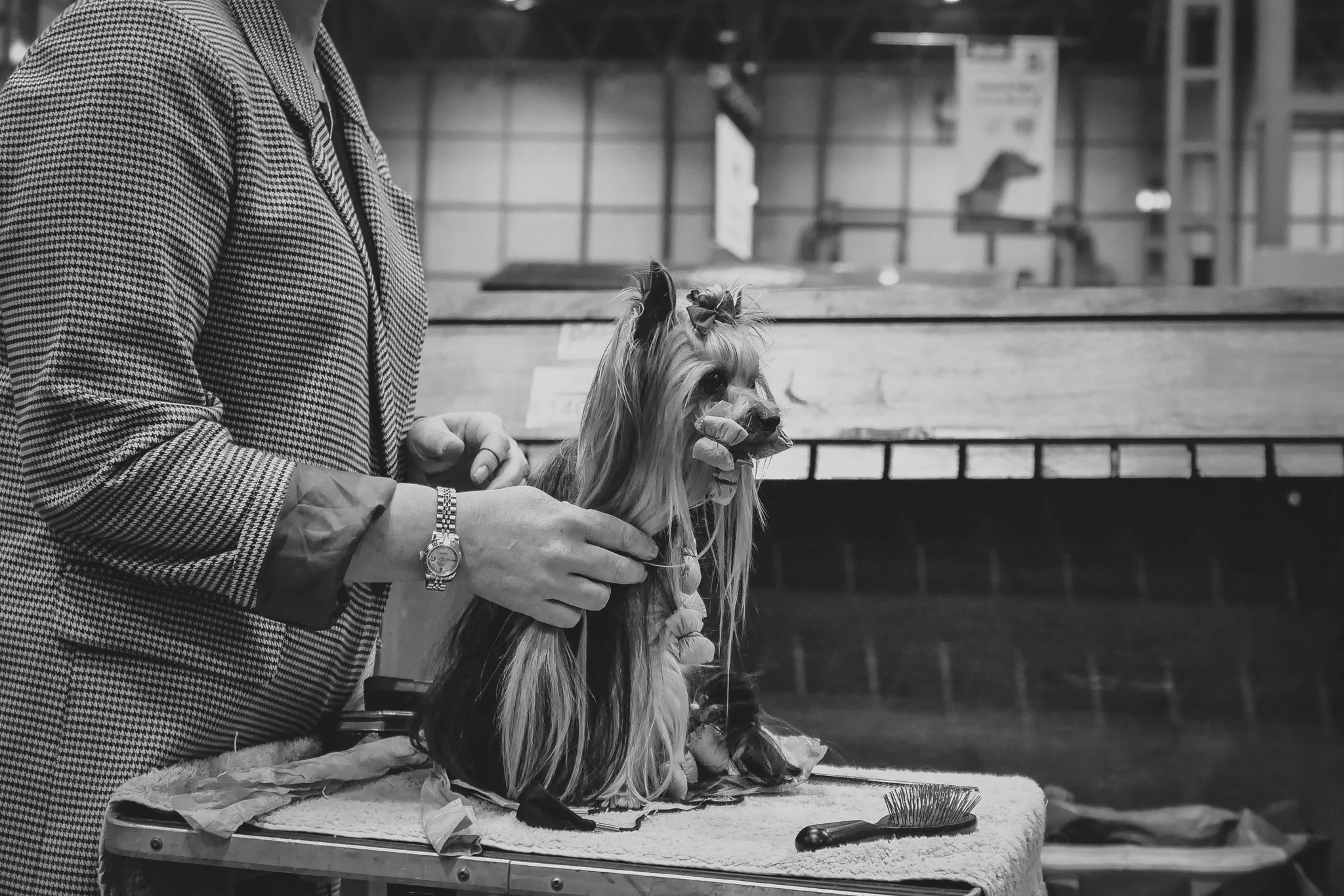
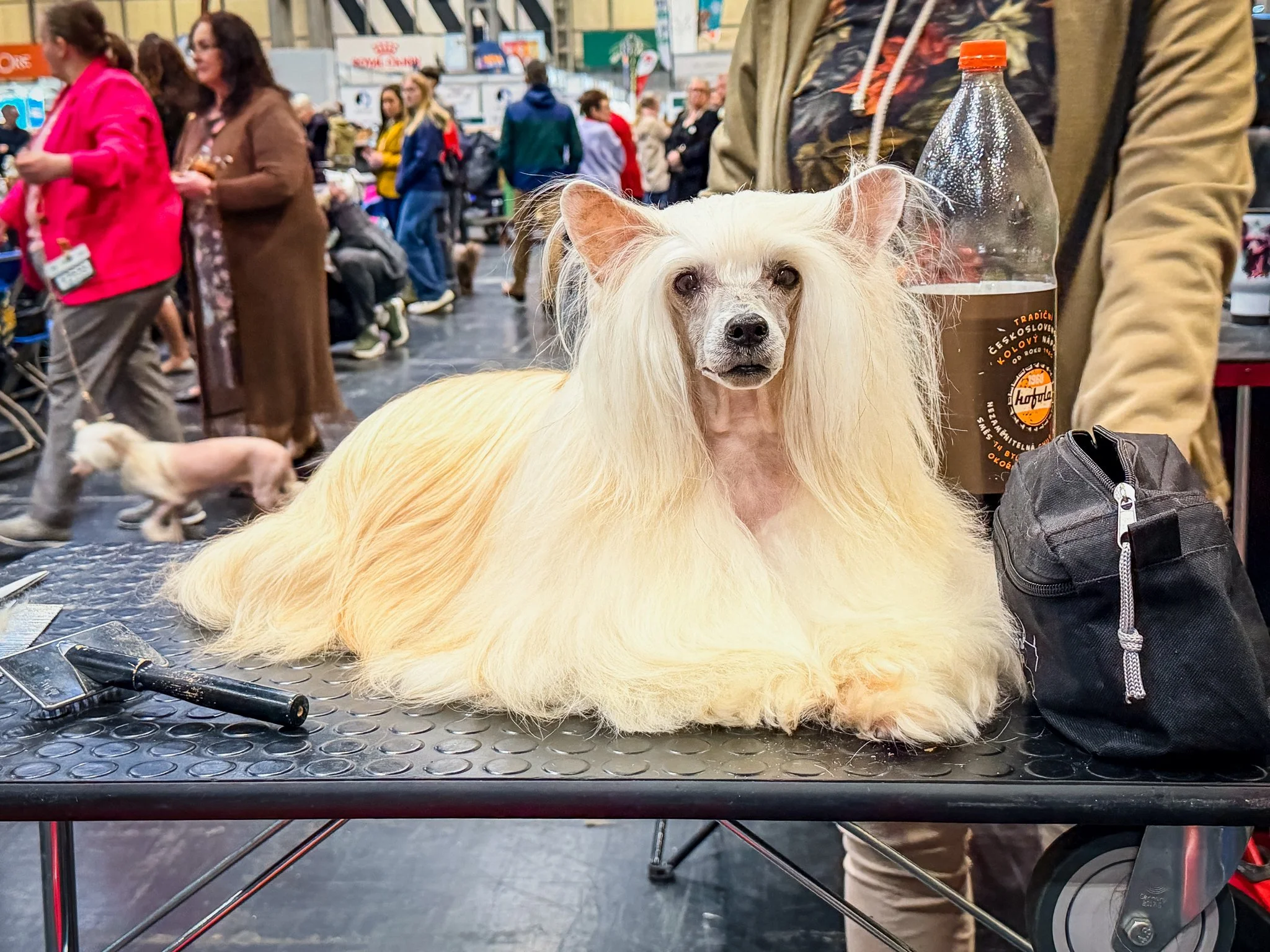
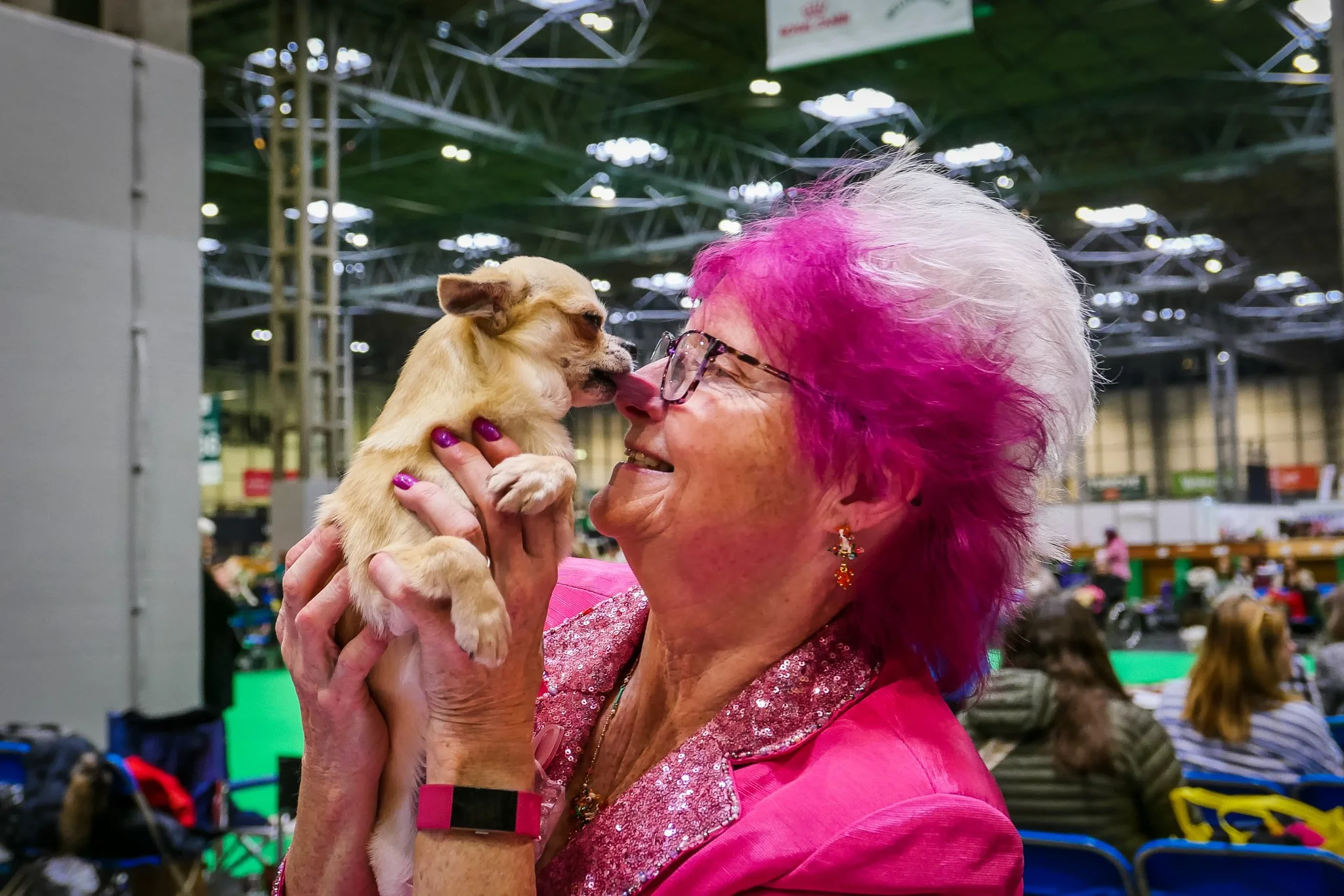
Fun Fact: Many toy dog breeds were originally bred for companionship and lap-warming for royalty and nobility — for example, the Pekingese was a sacred companion of Chinese emperors, often carried in palace sleeves, while the Cavalier King Charles Spaniel was favoured by British royalty and kept close to their owners at court. Despite their small size, many toy breeds retain the hunting or guarding instincts of their larger relatives, making them lively, alert and surprisingly bold.
And with this, goodbye Crufts 2026. See you all next year.
A big Awooof from Bridget and The Beagles
_______________________________________________________________________
© Bridget Davey Photography -www.bridgetdavey.com
*All Rights Reserved *
_______________________________________________________________________
Bridget Davey is a Professional Dog Photographer, working around Bedfordshire, Buckinghamshire, Hertfordshire and London, capturing the essence of your dog with all their cuteness and silliness.