Thursday, March 05th 2026
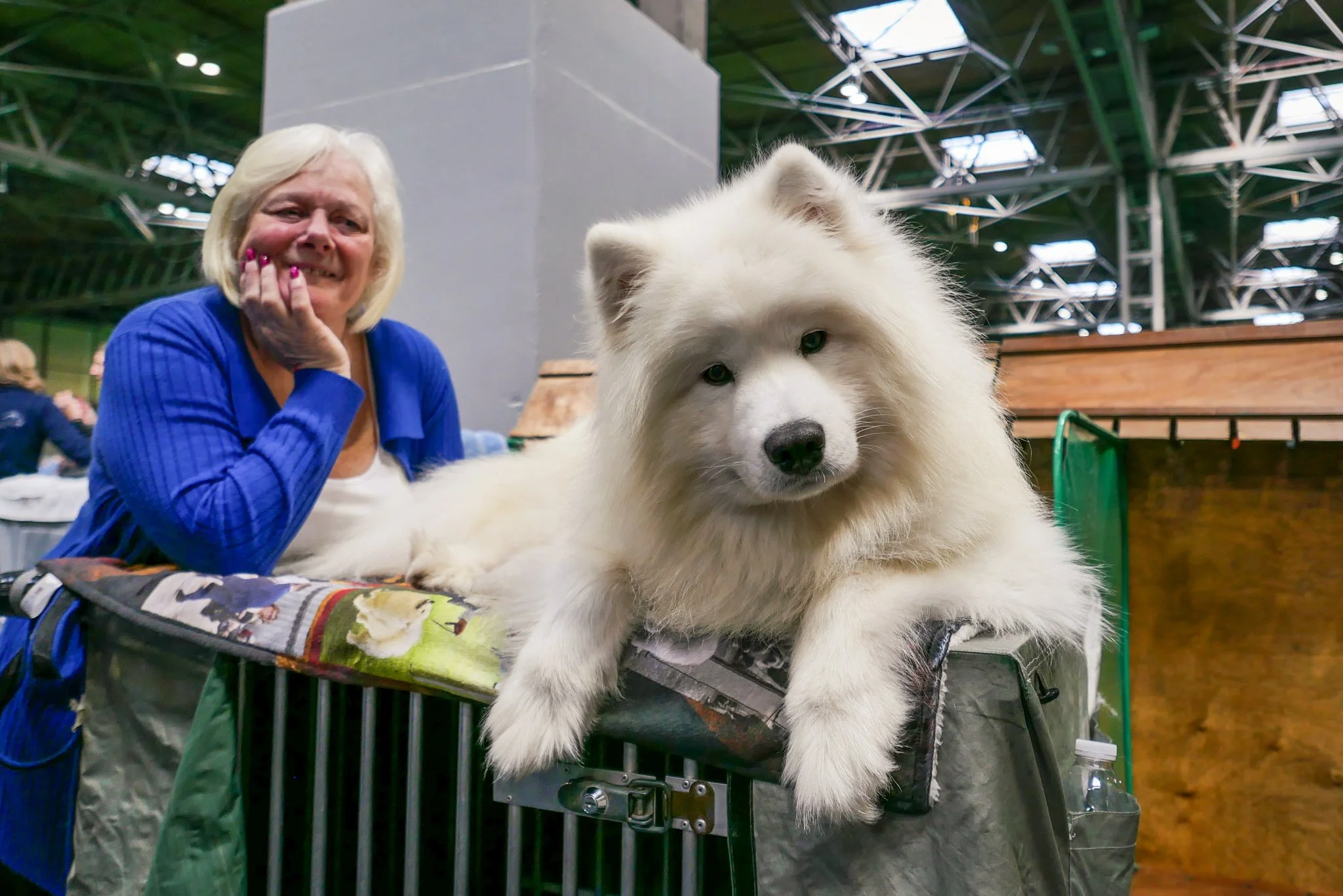
Crufts began in 1891 when Charles Cruft, a Birmingham-based dog dealer, organised a small exhibition of breeds to promote his business. Initially called "Cruft’s Greatest Dog Show," it grew rapidly in popularity and scale. After Charles Cruft’s death in 1938, the show continued under the auspices of The Kennel Club, which had been founded in 1873 and played an increasing role in standardising pedigrees and regulations for the event.






Throughout the 20th century Crufts expanded from conformation judging to include working trials, obedience, agility and a wide range of canine activities and displays. The show moved locations several times, settling at the Earls Court Exhibition Centre in London for much of the post-war period before relocating to the National Exhibition Centre (NEC) in Birmingham in 1991 to accommodate growing visitor numbers and larger rings.
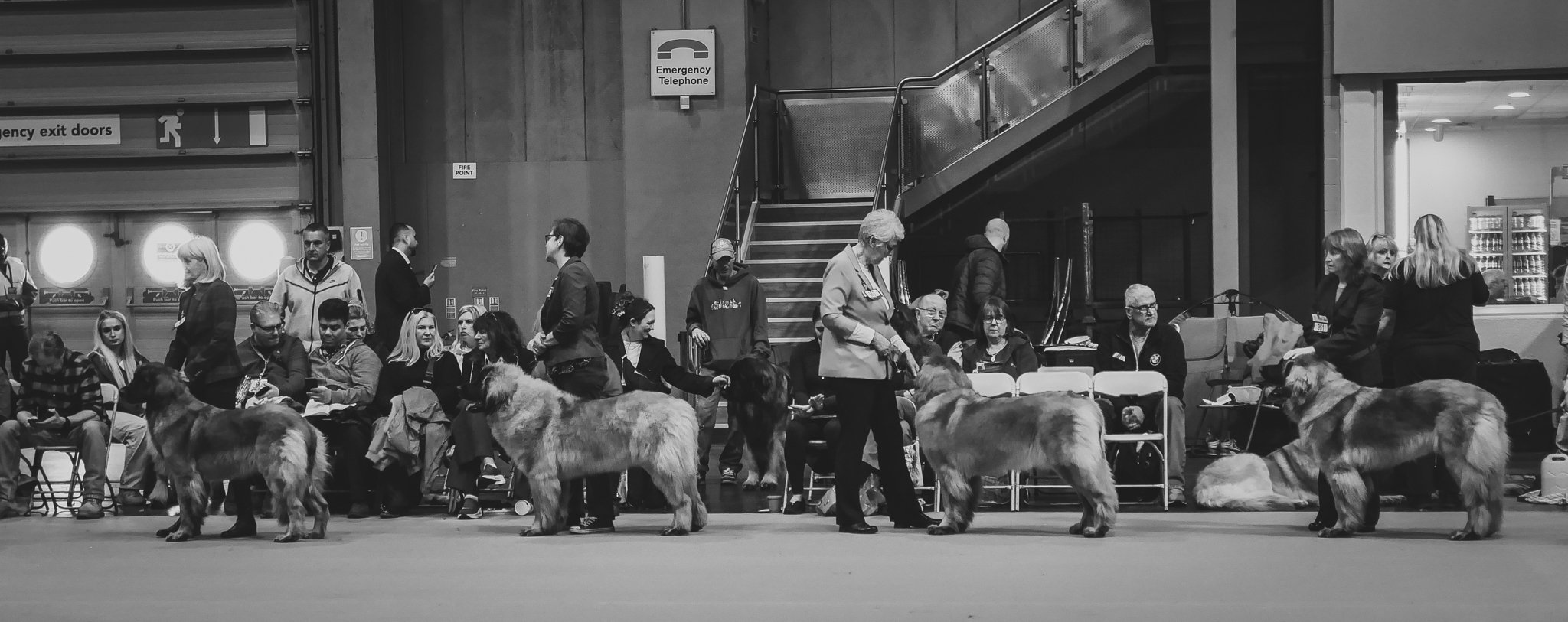


Crufts has not been without controversy: debates over breeding practices, health issues linked to extreme conformational traits, and episodes of criticism regarding pedigree dog welfare have shaped recent reforms. In response, The Kennel Club introduced health screening schemes and breed-specific initiatives to promote responsible breeding.


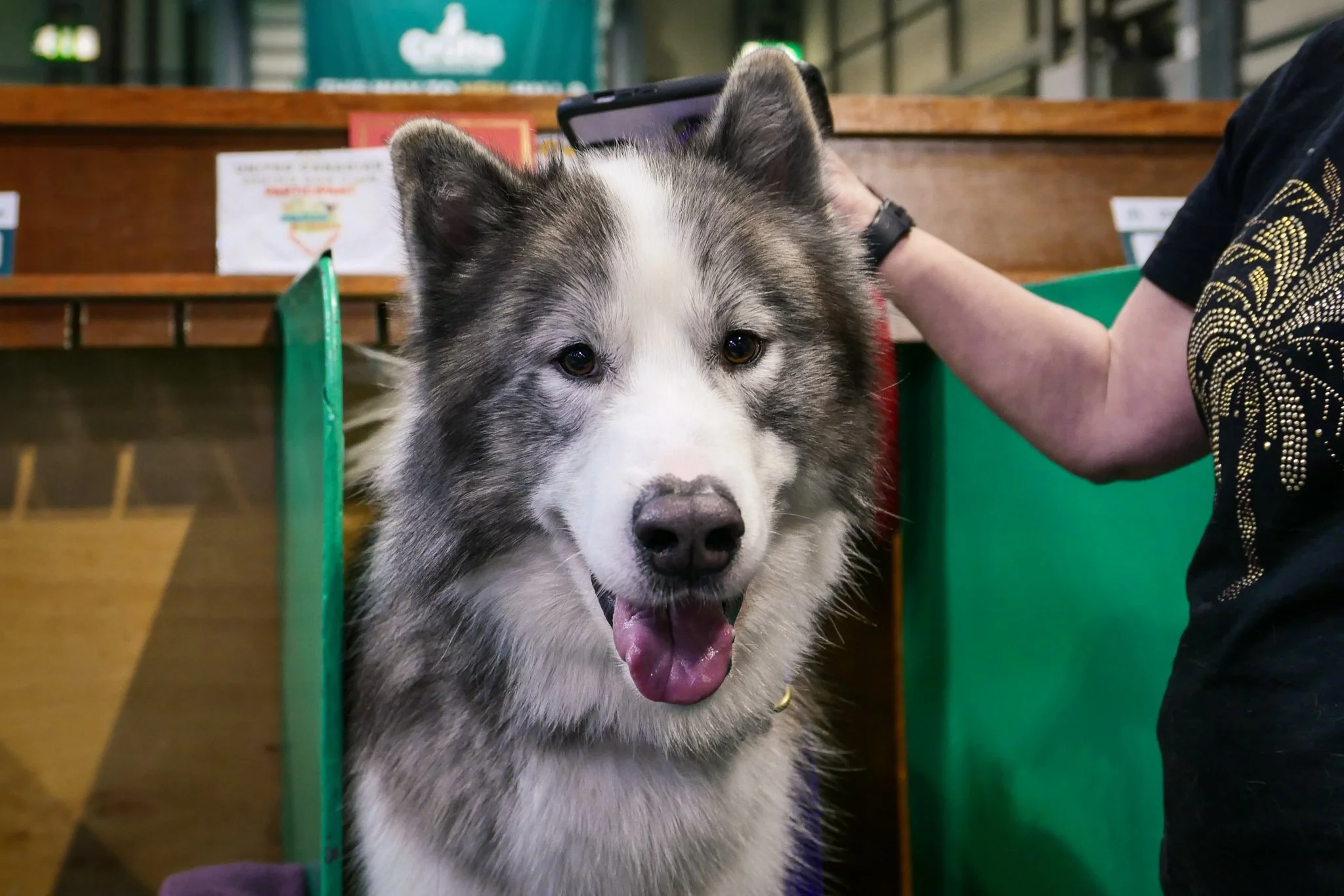
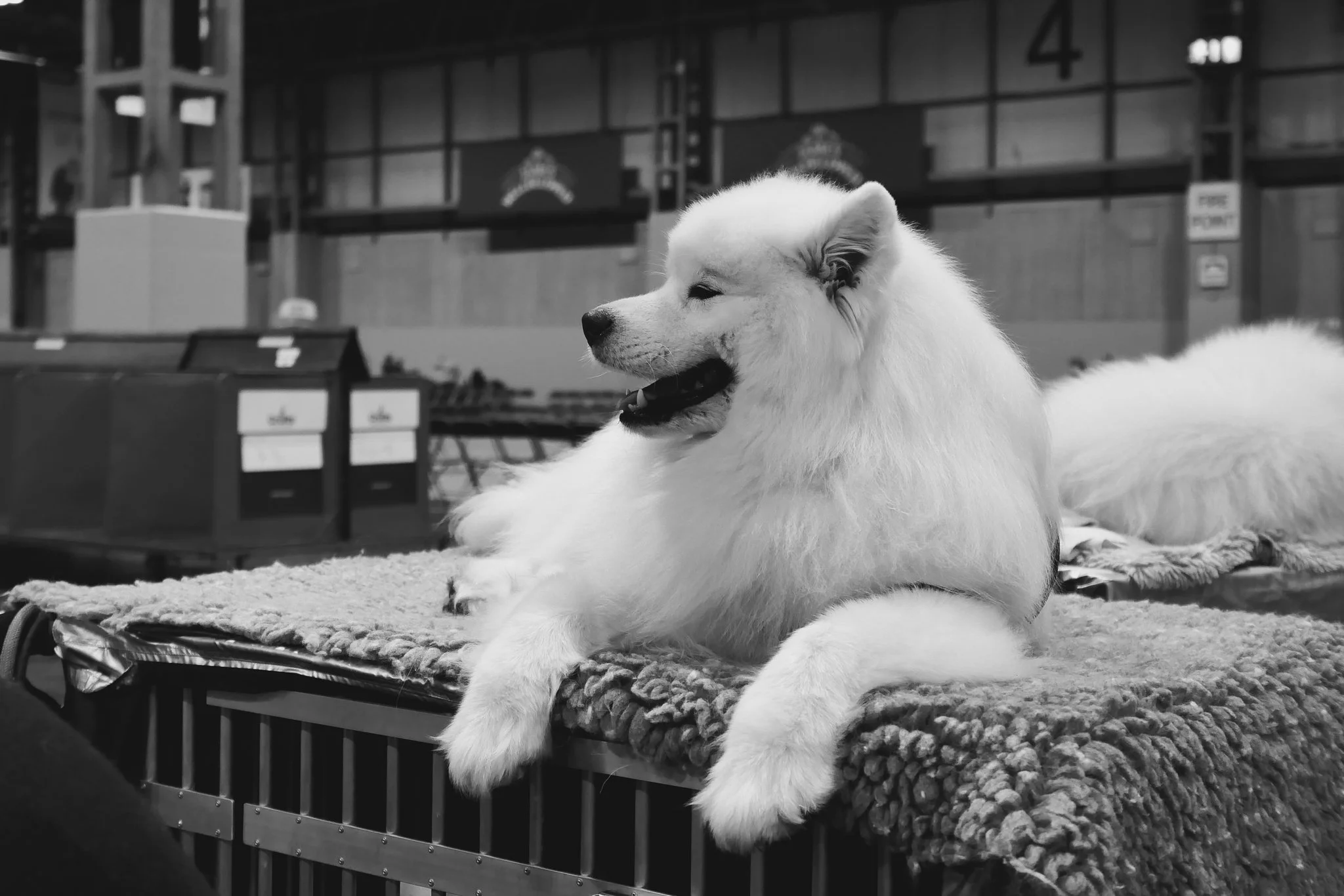
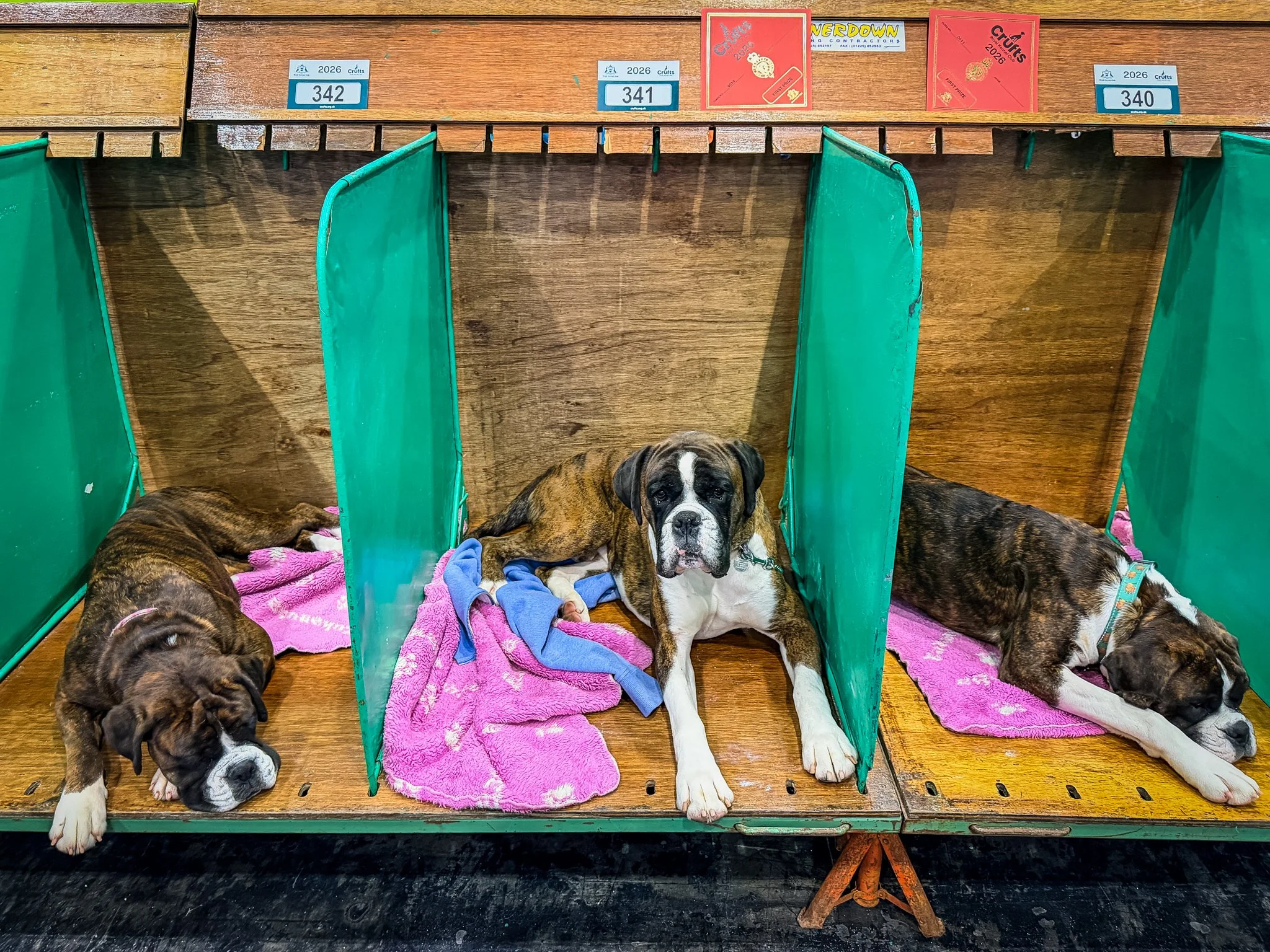

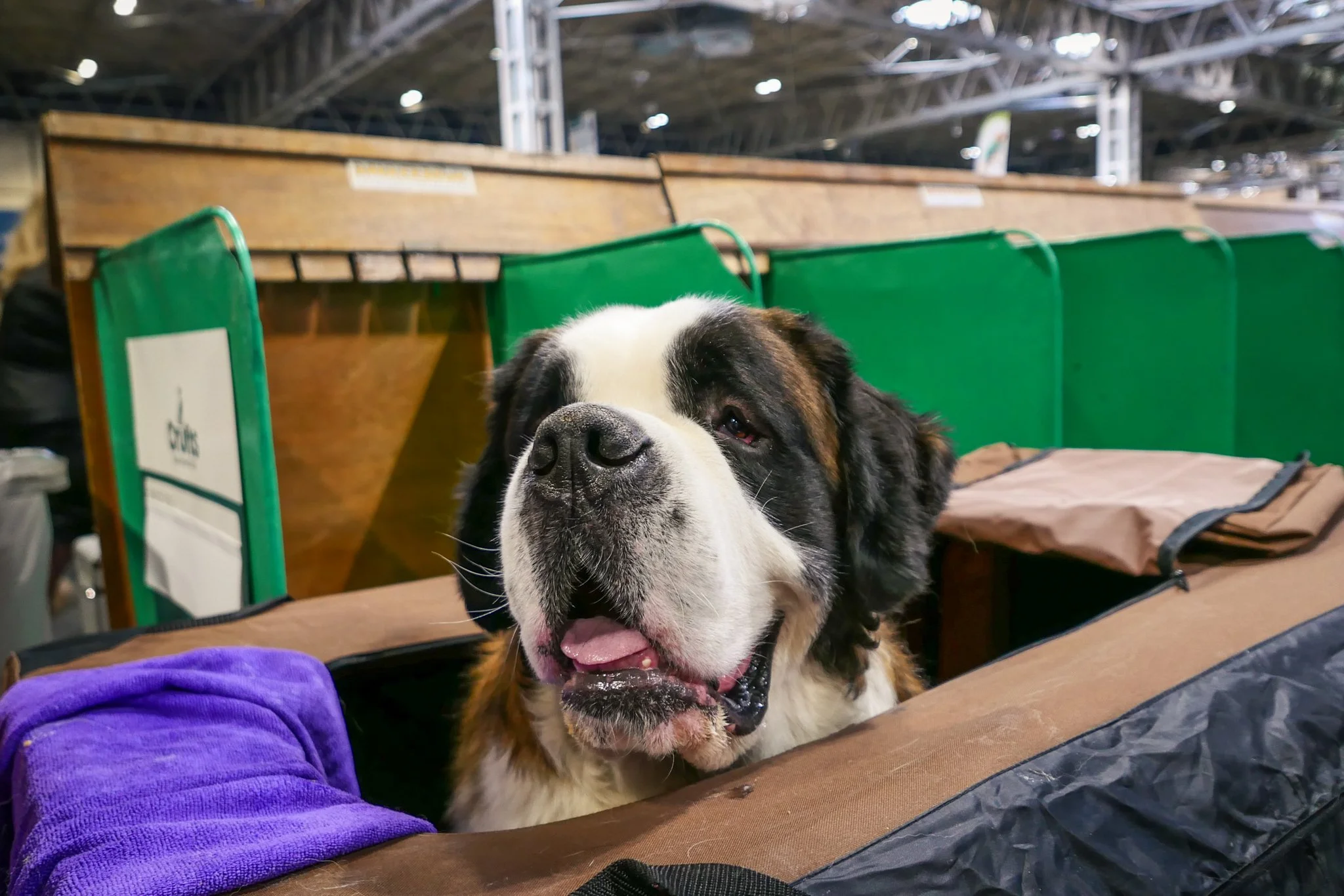
Today Crufts remains one of the world’s most prominent dog events, featuring breed classes, agility, flyball, heelwork to music, and the prestigious Best in Show. It serves both as a celebration of dog breeds and skills and as a focal point for ongoing discussions about canine welfare and breeding standards.
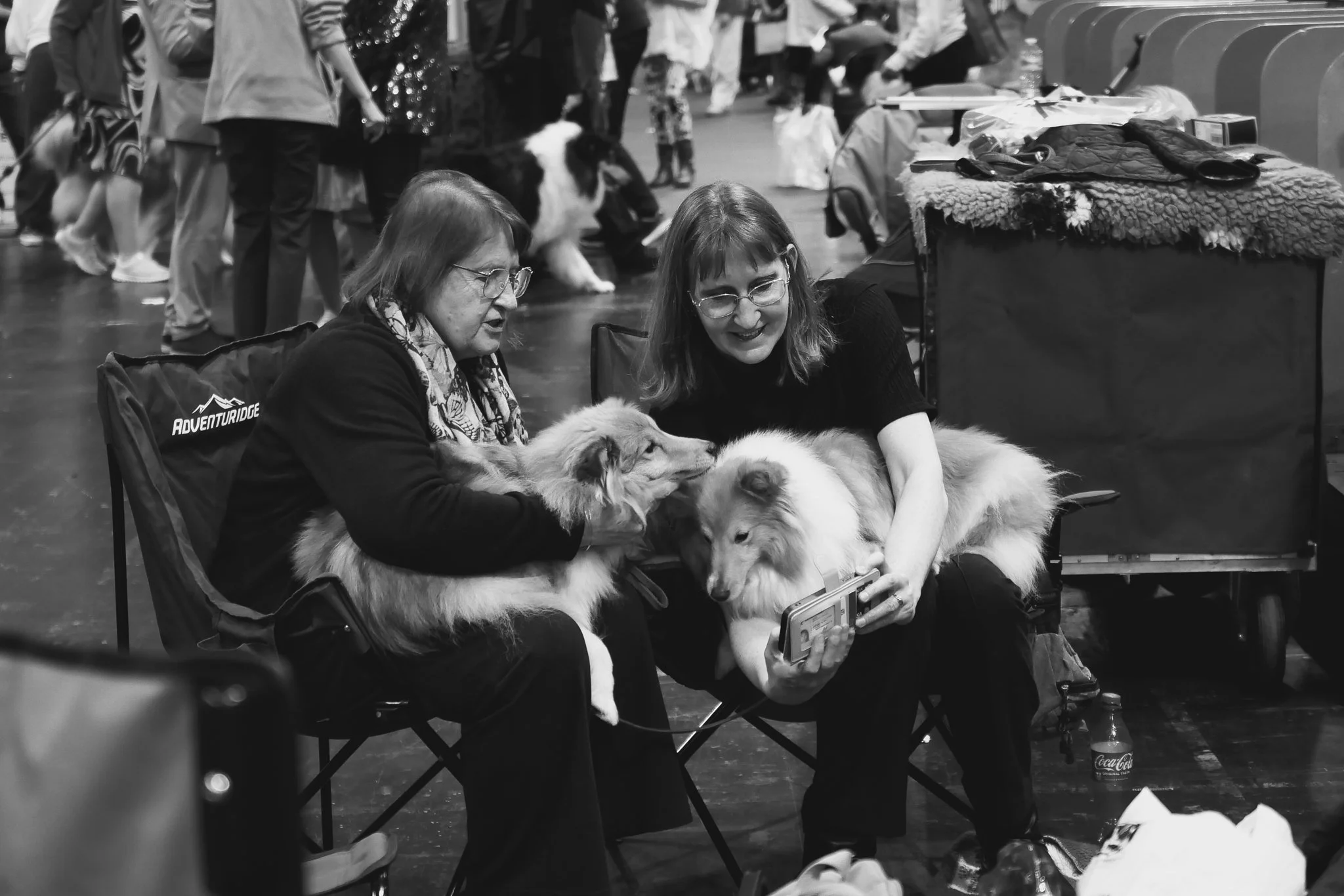


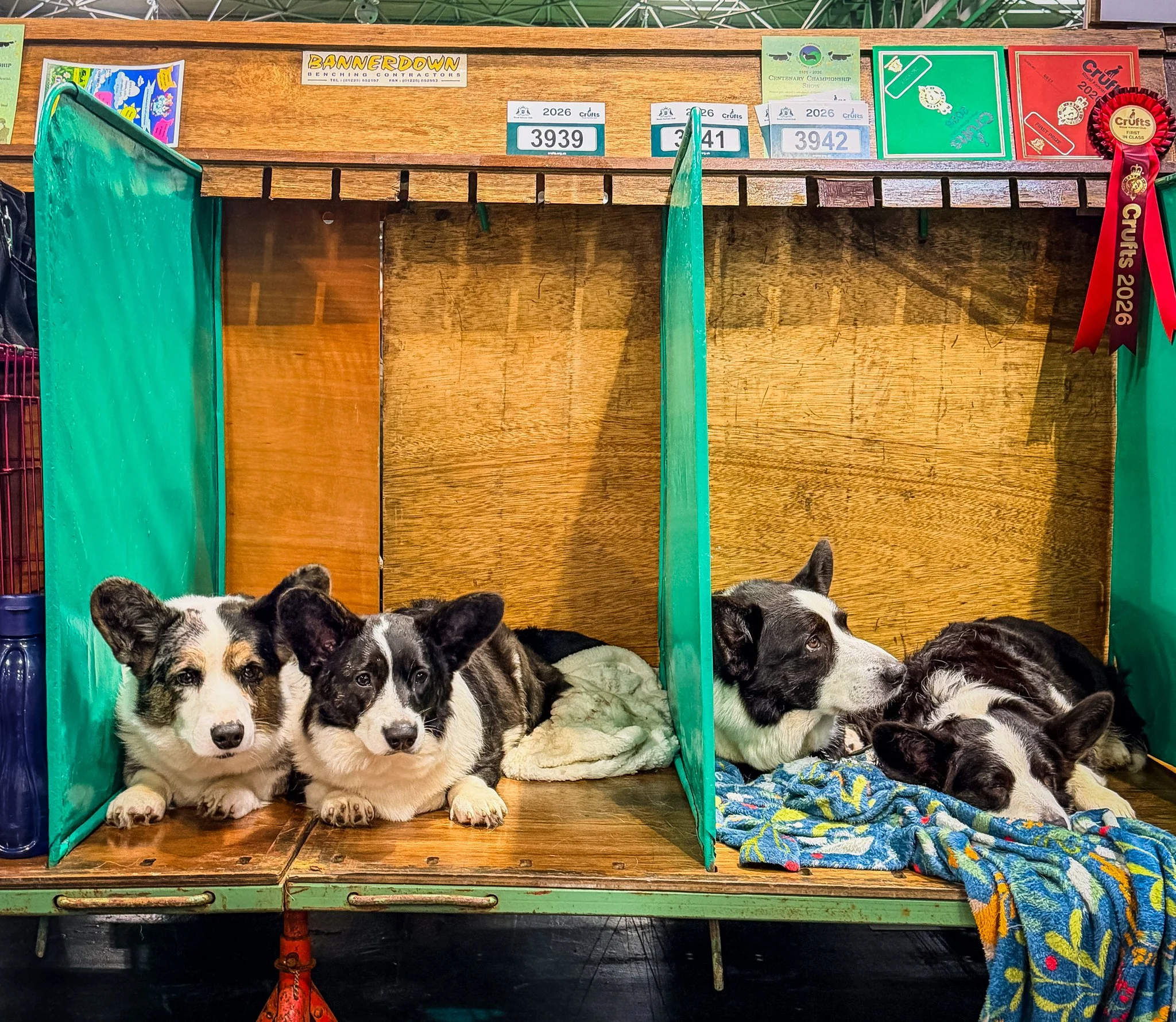
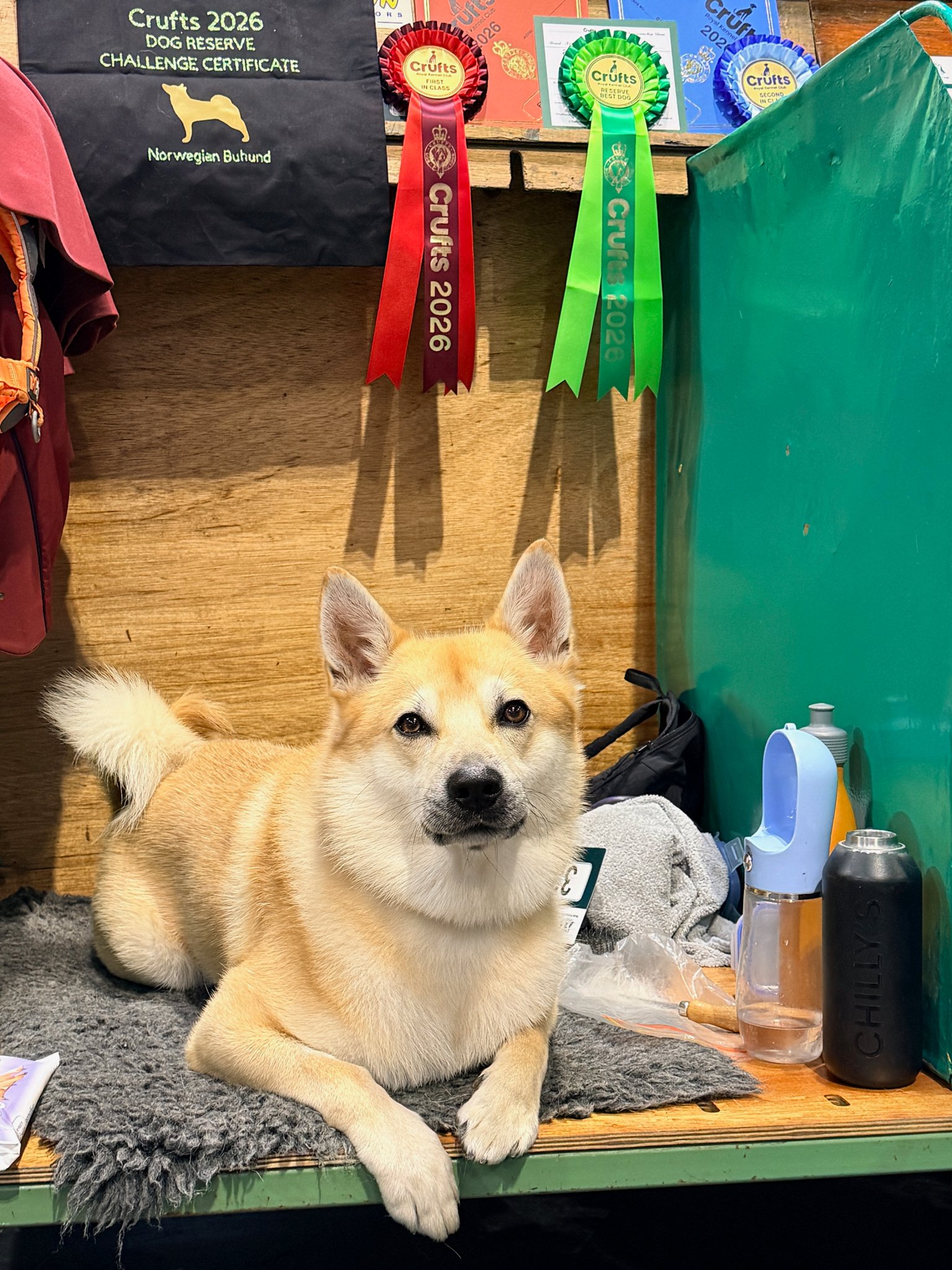
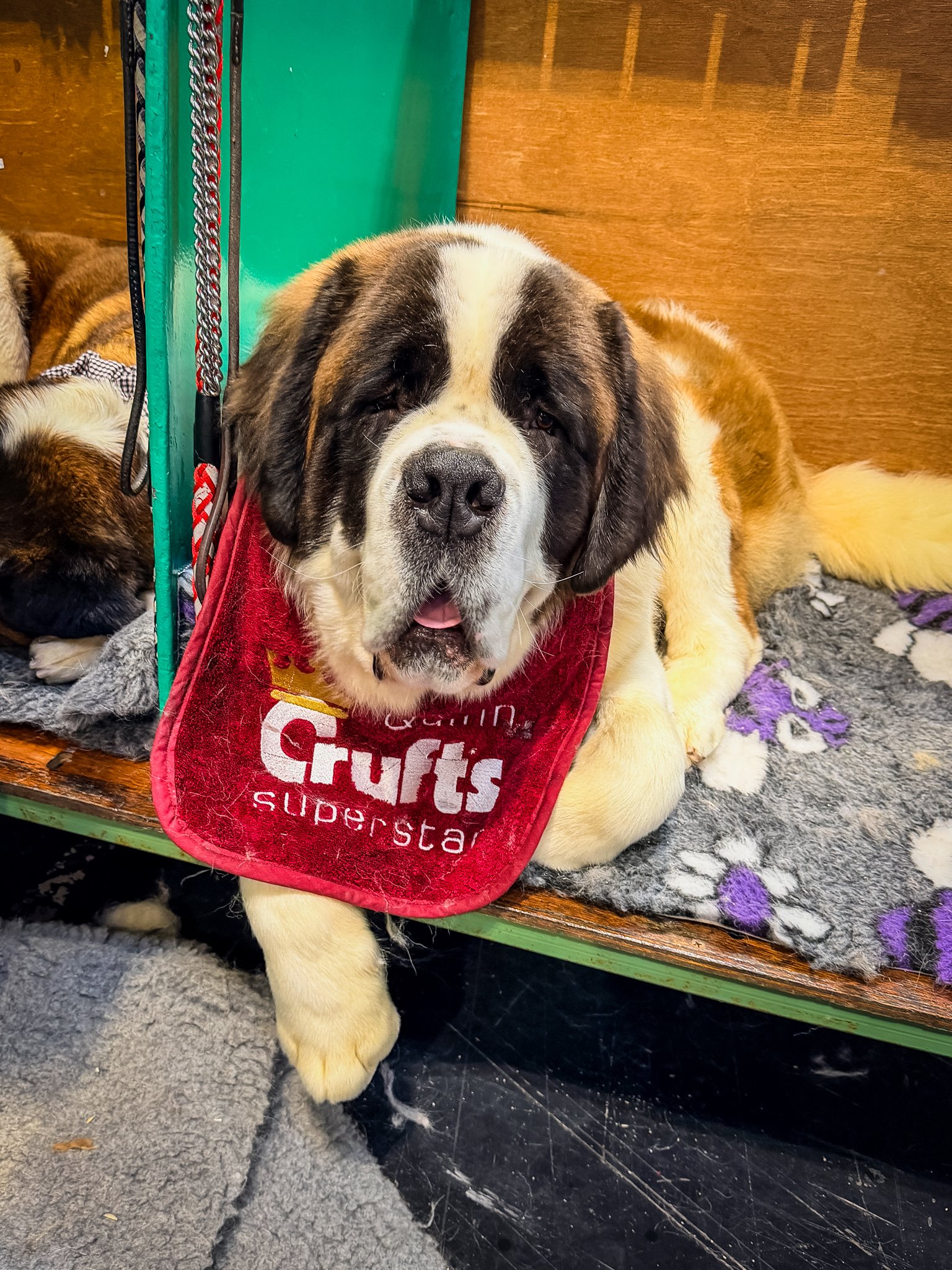
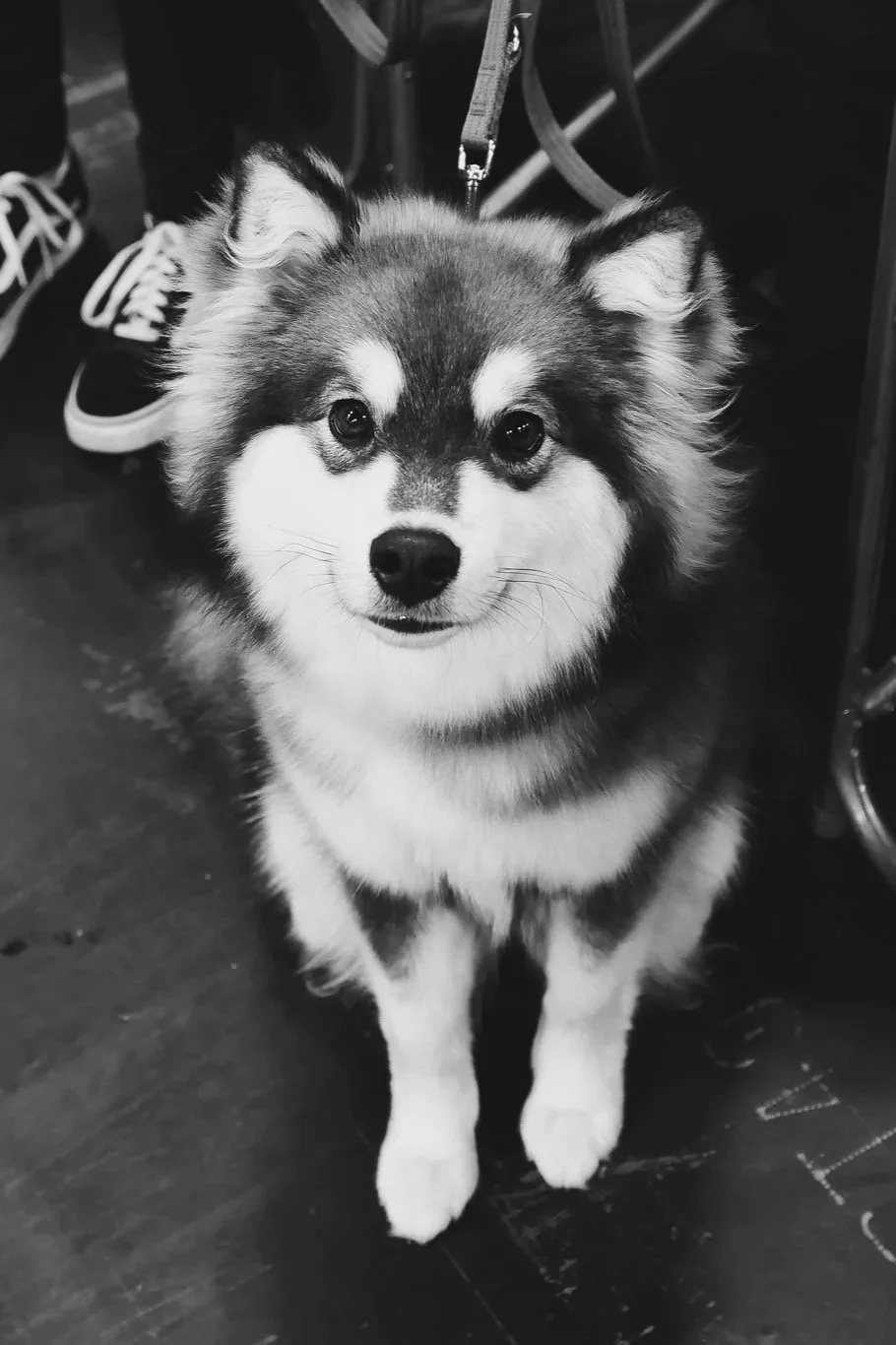
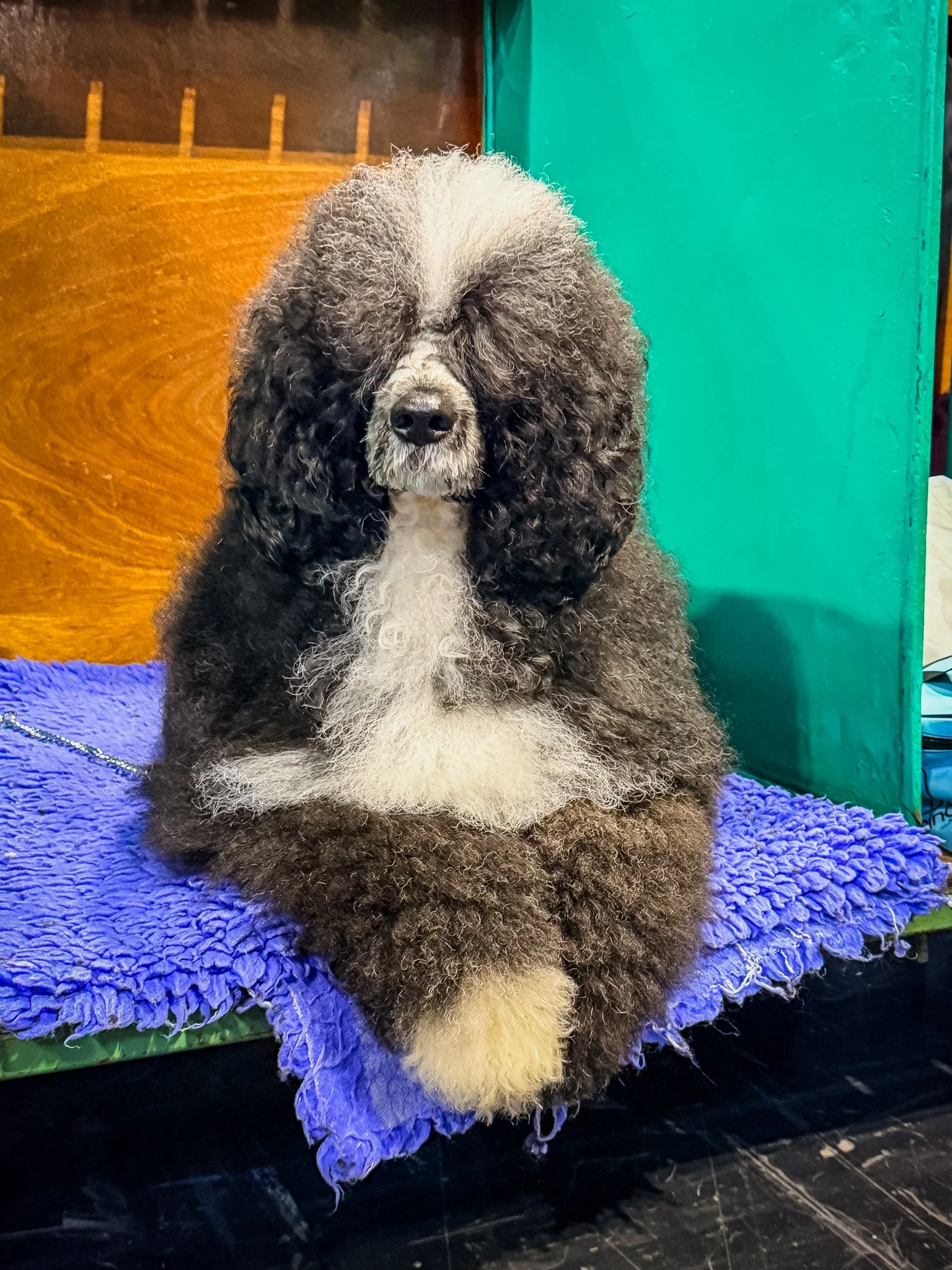
Day 1 at Crufts in 2026 was all about Working and Pastoral Dogs.
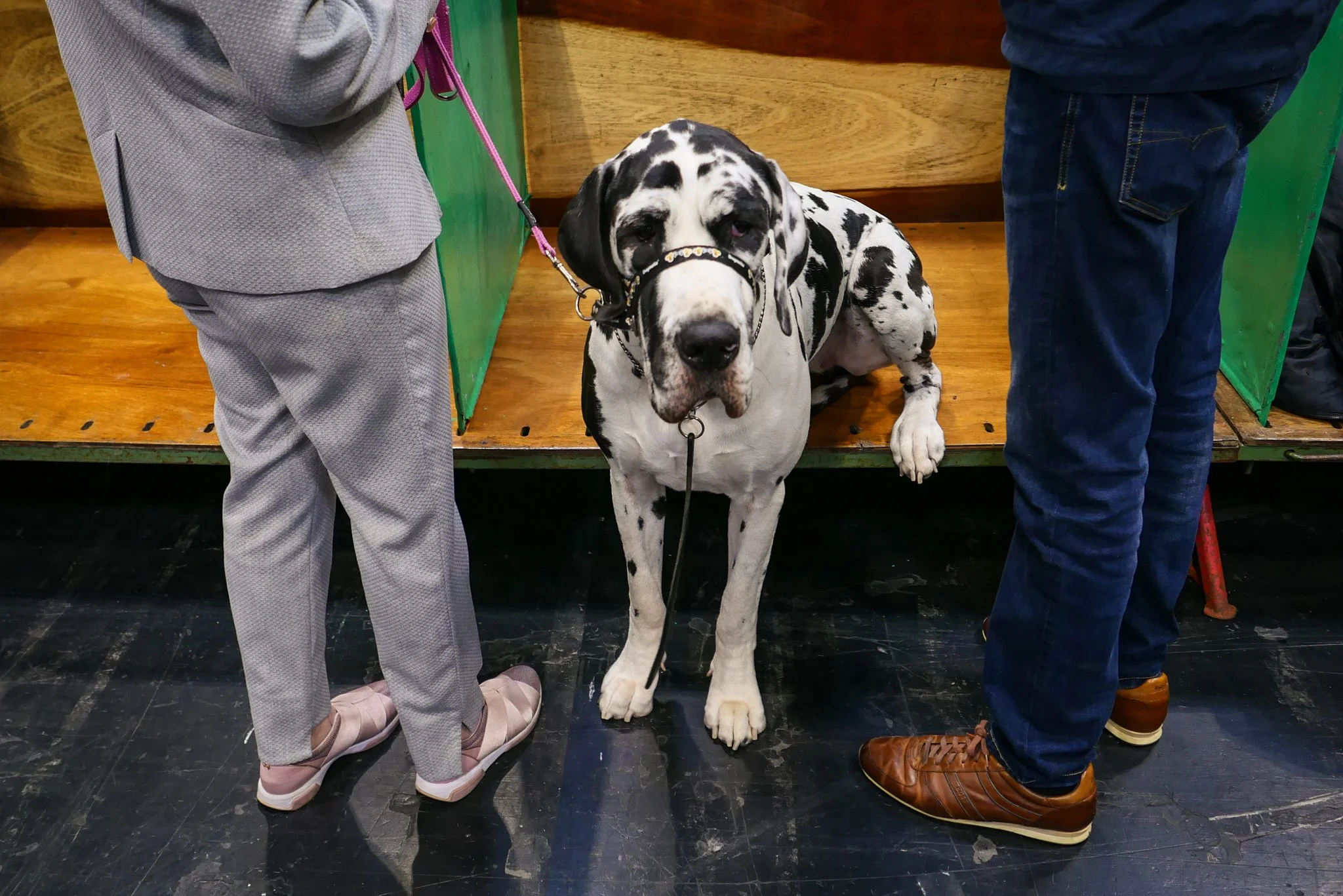
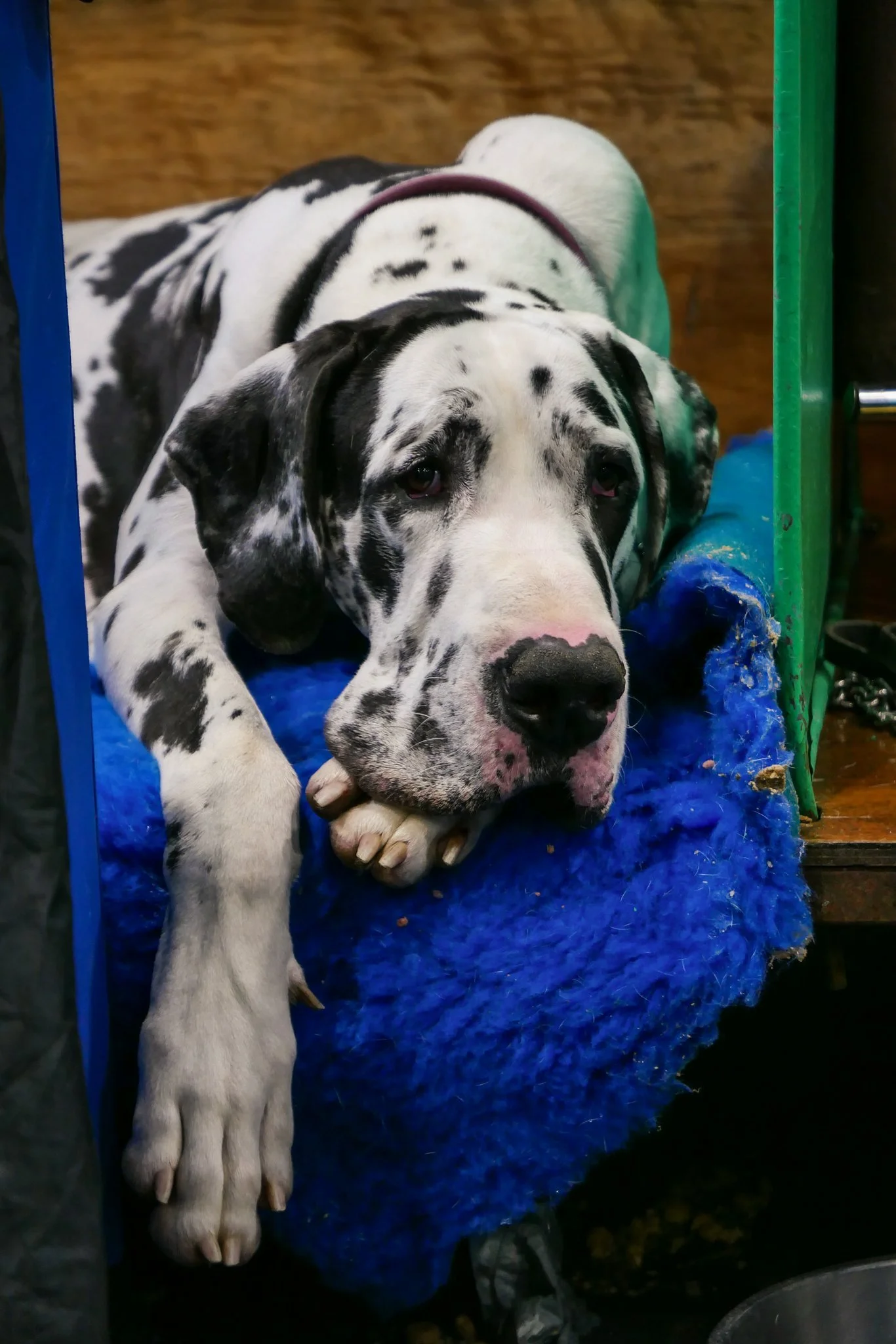
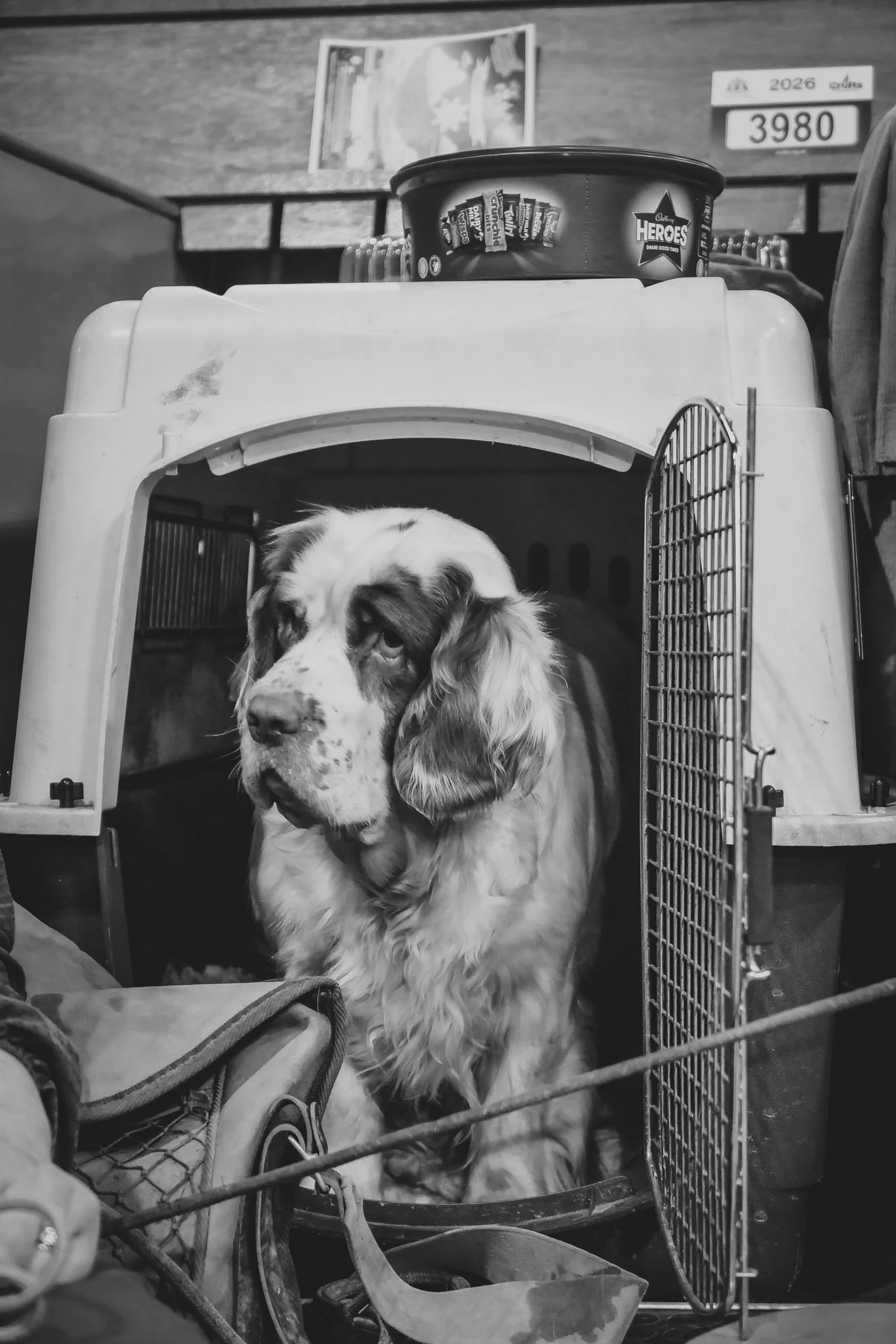
Working dogs are bred to perform certain jobs such as guarding, pulling, rescue, sledding, police and military work, detection, guarding livestock or property, and assisting people (e.g. guide dogs). Examples include the Rottweiler, Boxer, German Shepherd, Siberian Husky and Saint Bernard.
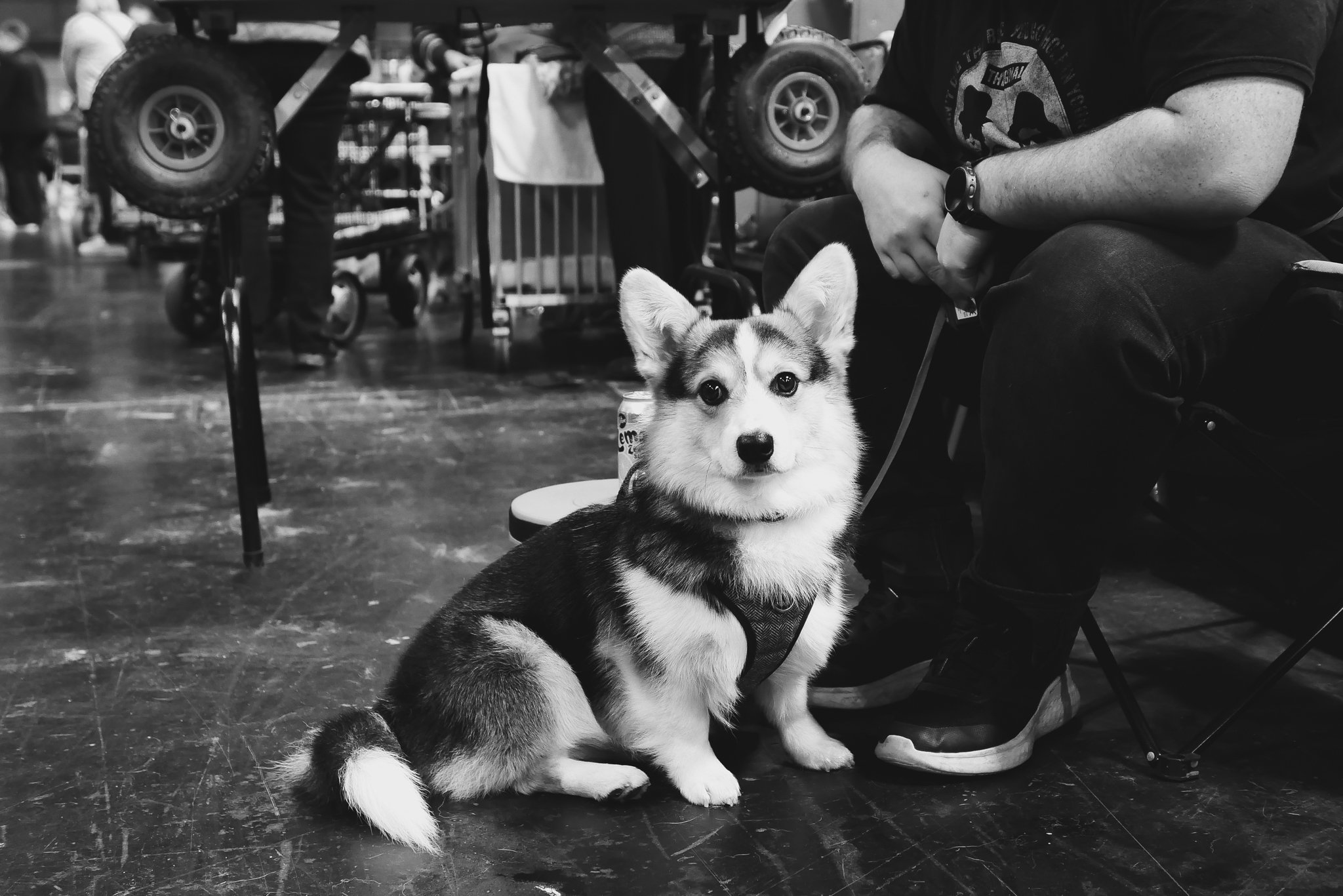
Pastoral dogs are herding dogs, a subgroup of working breeds specifically selected to manage livestock—moving, gathering, penning and protecting sheep, cattle, goats and other animals. Examples include Border Collies, Australian Shepherds, German Shepherds (in some lines), Old English Sheepdogs and Shetland Sheepdogs.


Origins and history
Many pastoral breeds originate from rural, agrarian societies where efficient, intelligent dogs were essential for managing flocks across open land. Selection emphasised agility, stamina, responsiveness to human commands and an ability to work independently.
Working breeds have a wider set of origins: some descend from mastiff-type dogs used for guarding and pulling; others from northern sled dogs adapted to cold climates; still others from breeds refined for police, military and rescue roles over the last two centuries.
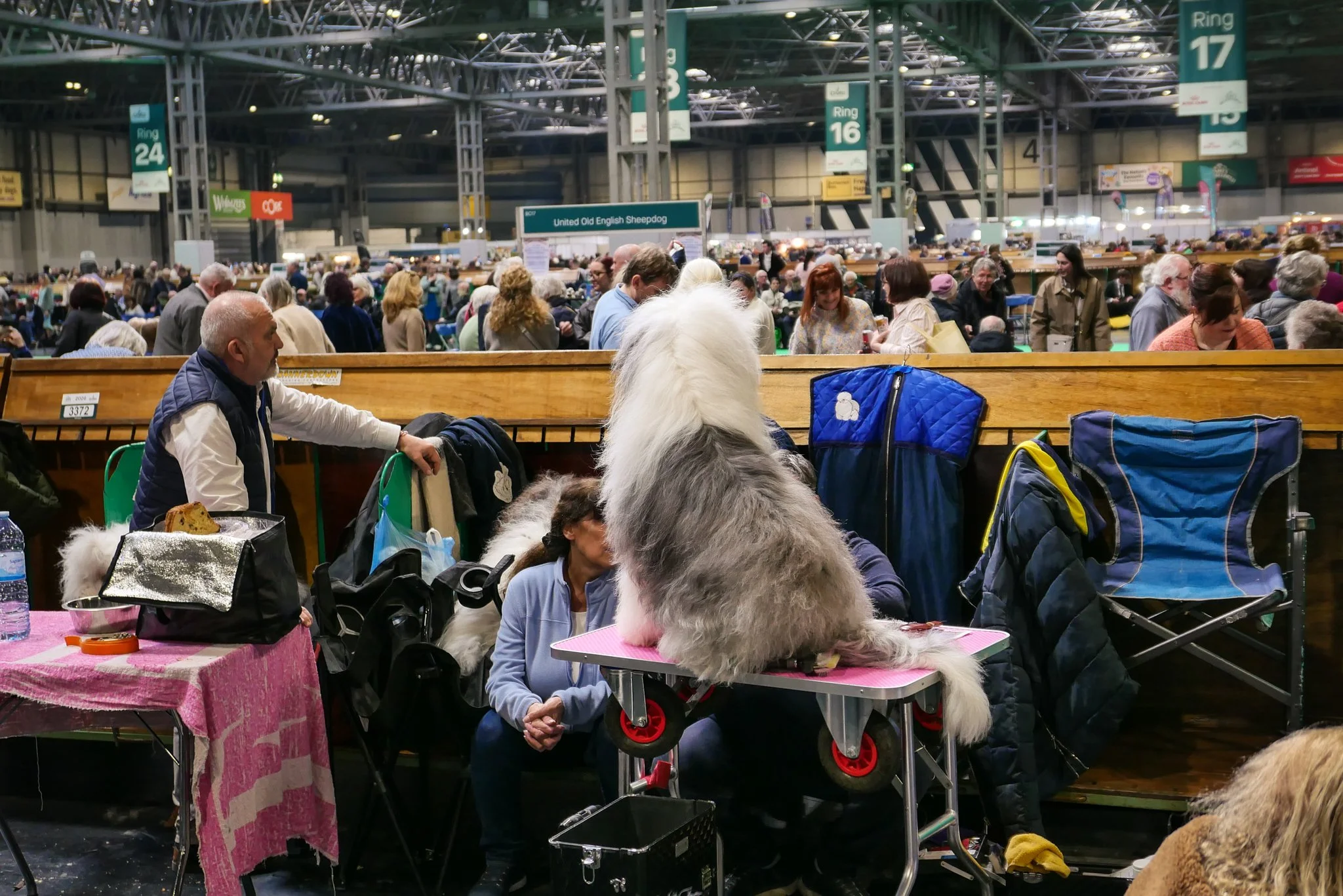

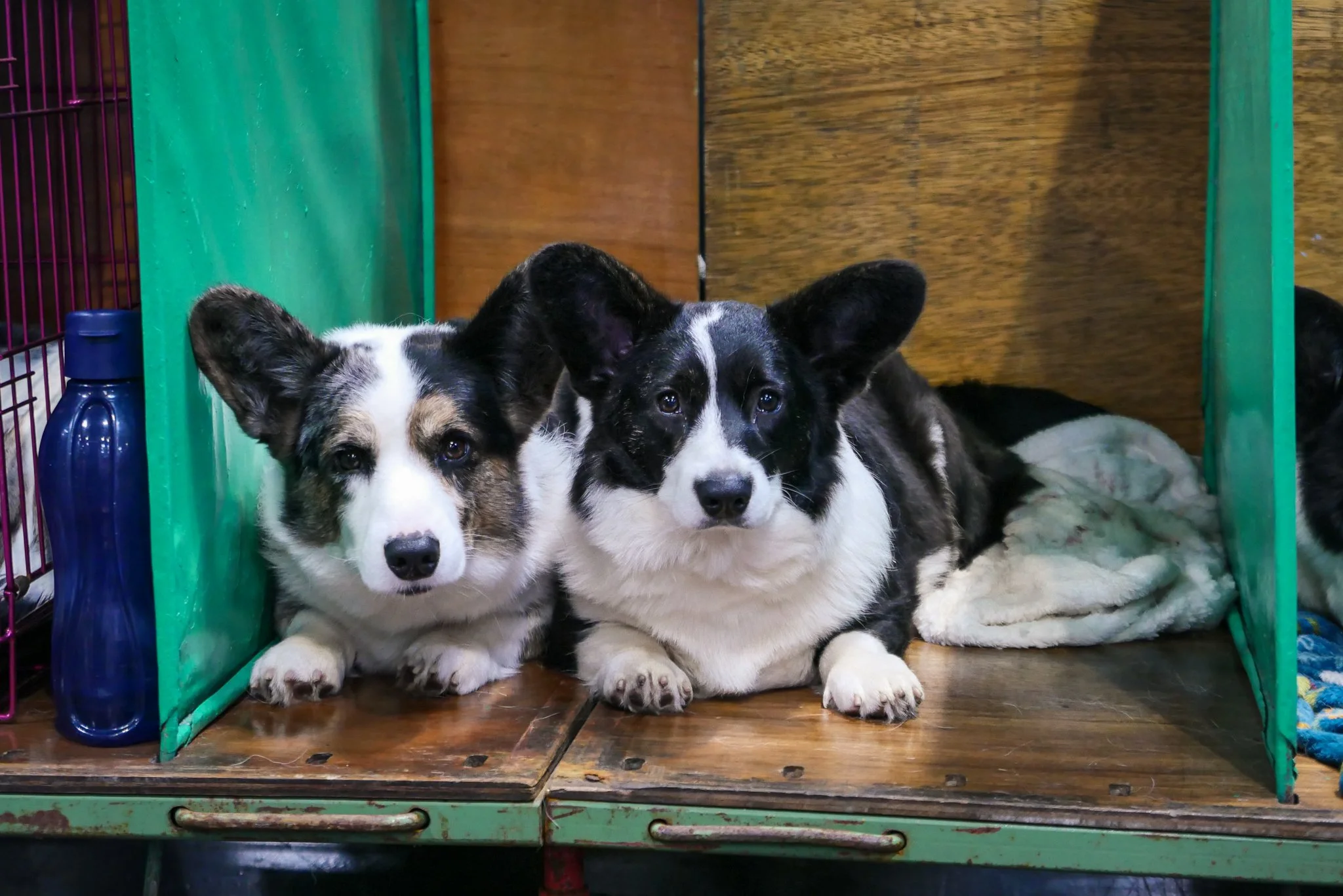
Pastoral dogs are often extremely intelligent and quick to learn, with a high desire to think and solve problems. Working breeds vary from highly trainable (German Shepherd) to more independent (Husky). Both dog groups typically have high energy and a strong work drive. Pastoral dogs may exhibit a distinct herding instinct—stalking, circling, nipping at heels—while other working breeds show drive in protection, search, pulling or scenting tasks. Both dogs are independent and need lots of training, so they are not for the short hearted owner and they do need lots of work.
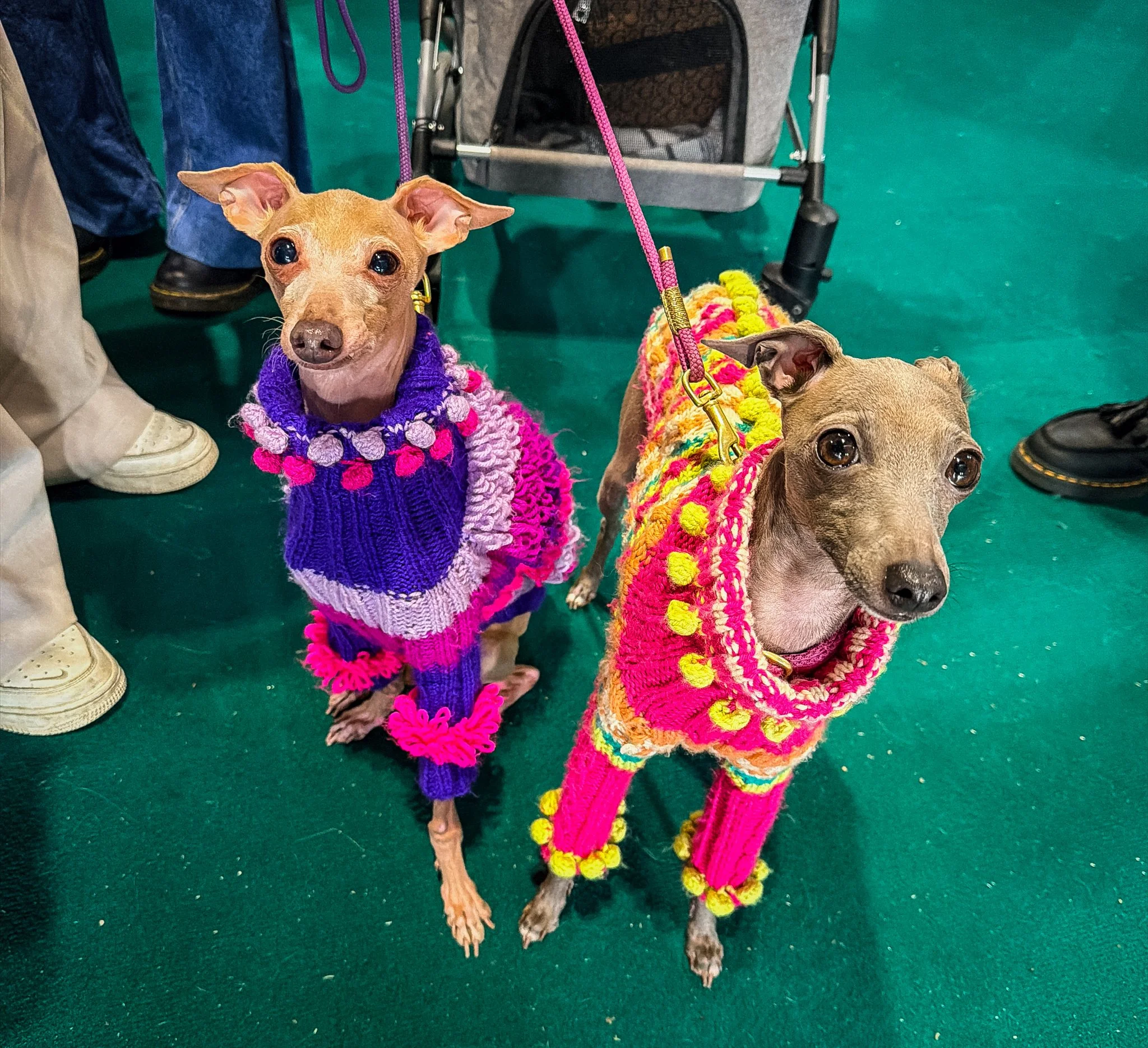
Dogs with Jobs
Pastoral dogs: Traditional stock work on farms, competitive herding trials, companion dogs for active owners, and working demonstrations.
Working dogs: Police and military service, search and rescue, guide and assistance work, detection (drugs, explosives, health conditions), sledding, carting, and companion roles for active households.


A big Awooof from Bridget and The Beagles
_______________________________________________________________________
© Bridget Davey Photography -www.bridgetdavey.com
*All Rights Reserved *
_______________________________________________________________________
Bridget Davey is a Professional Dog Photographer, working around Bedfordshire, Buckinghamshire, Hertfordshire and London, capturing the essence of your dog with all their cuteness and silliness.